Choosing the right WiFi thermostat for high-voltage baseboard heaters can improve comfort, cut energy use, and simplify home automation. The following picks are 120V–240V, support line-voltage bases, and offer remote control, scheduling, and smart integrations. This guide compares five top options, clarifying compatibility, wiring needs, and standout features so American homes can find a reliable, future-proof solution.
| Product | Brand | Key Benefit |
|---|---|---|
| Mysa LITE | Mysa | Free app, flexible scheduling, broad voltage support |
| Meross Matter Smart Thermostat (Electric) | meross | Matter-compatible, universal ecosystem control |
| Mysa 240V Baseboard Thermostat | Mysa | High-load capability, precise control |
| Meross 4-Wire High-Voltage Thermostat | meross | 4-wire requirement, strong app/voice support |
| MOES Smart Thermostat (2.4G) | MOES | Knob-style, remote control, energy savings |
Below are five carefully chosen products that fit American baseboard heating setups, with emphasis on easy installation, reliable connectivity, and clear energy data. Each section includes a product-specific overview, a visual, and key features drawn from their official listings.
Mysa LITE for Line-Voltage Heaters
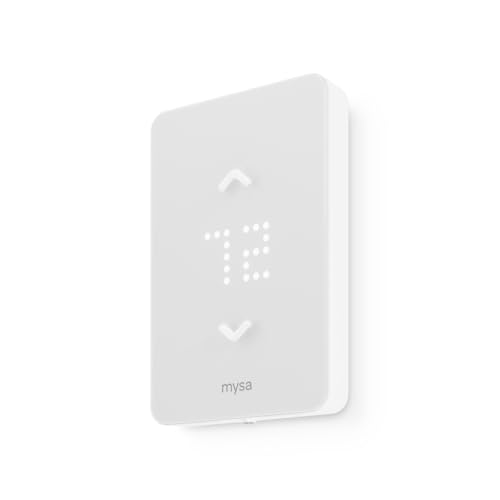
The Mysa Smart Thermostat LITE is designed for 120V to 240V electric baseboard heaters, fan-forced heaters, and similar high-voltage units. It supports single-pole and double-pole configurations depending on wiring, and its installation is described as DIY-friendly for homeowners with compatible wiring. The device emphasizes a 100% free app experience, allowing remote control, scheduling, energy reports, and smart integrations without subscriptions. This makes it a practical choice for users who want straightforward temperature management across HomeKit, Alexa, and Google ecosystems, while ensuring compatibility with common baseboard setups.
Meross Matter Smart Thermostat (Electric)
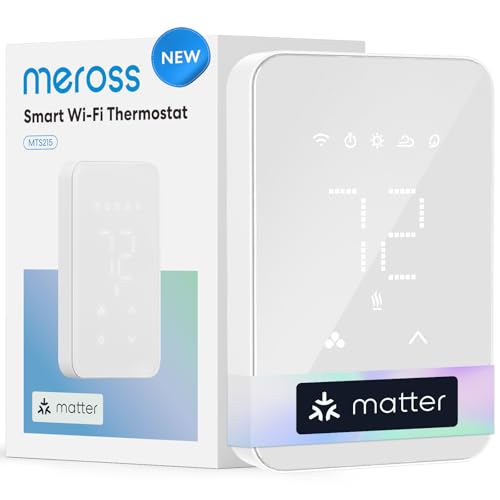
This Meross Matter thermostat is built for high-line voltage systems (120–240 VAC), including baseboards, convectors, and fan-forced heaters. It emphasizes Matter compatibility, enabling control via Alexa, Apple Home, Google Home, SmartThings, and more, all without ecosystem lock-in. The scheduling features are designed for energy savings, with 24/7 visual planning to manage comfort and reduce heating costs. The device is a strong option for households seeking seamless cross-platform control and future-proof smart home integration with robust voice support.
Mysa 240V Baseboard Thermostat

The Mysa 240V model targets higher load baseboard installations, offering remote control via a 100% free app and compatibility with HomeKit, Alexa, and Google Home. It highlights practical wiring guidance, including the need for at least four wires (including a neutral or second live wire) for optimal functionality. The product emphasizes adaptive display brightness and smaller form factors, balancing robust high-voltage performance with improved user experience in dim or busy living spaces.
Meross 4-Wire High-Voltage Thermostat

This Meross high-voltage thermostat is designed for 120–240V systems and works with baseboards, convectors, and in-wall heaters. It requires four wires for proper installation, including a neutral or second live wire. The device supports voice and app control across major ecosystems (Apple Home, Alexa, Google) and is built to handle up to 16A at 120V and 3840W at 240V, making it a solid option for households needing reliable energy management with broad compatibility and straightforward remote access.
MOES 2.4G WiFi Thermostat for Baseboards

The MOES programmable thermostat targets 120V/240V electric heating and offers remote control via Smart Life or TUYA apps, with integration to Alexa and Google Home. The device emphasizes a knob-style control and a clear LED display, making manual adjustments easy while still supporting scheduling to optimize energy use. It’s designed to work well with high-voltage systems and is presented as a flexible option for households seeking both physical ease-of-use and modern voice-enabled automation.
Buying Guide
When selecting a WiFi thermostat for baseboard heating, consider these factors to ensure reliable performance and long-term value:
- Voltage compatibility and wiring: Check that the unit supports your system’s voltage (120V, 208V, 240V) and whether four wires (including a neutral or second live wire) are required. Some thermostats are single-pole only, others support double-pole installations.
- Connectivity and ecosystem: Determine which smart home platforms you use (Apple HomeKit, Alexa, Google Home, SmartThings). Matter compatibility can future-proof the device for broader compatibility.
- Energy features: Look for scheduling, energy reports, adaptive brightness or display options, and vacation modes. These features help optimize heating and reduce energy waste.
- Installation complexity: DIY-friendly models are appealing, but verify wiring requirements and whether professional installation is recommended or necessary for your home’s wiring and insurance policies.
- Load support and safety: Confirm maximum wattage or amperage support at your voltage (e.g., 1900W at 120V or 3800W at 240V). Ensure the thermostat is rated for your heater’s load and that it’s installed with proper safety clearances and grounding.
- Display and usability: A readable display, adaptive brightness, and intuitive controls matter, especially in bedrooms or living areas where ease of use is important.
- Reliability and updates: Favor brands with robust app support, regular firmware updates, and clear warranty terms to maintain performance over time.
For most homes, selecting a thermostat with broad ecosystem compatibility, solid energy-management features, and clear installation guidance will deliver the best long-term value. Always verify compatibility with your specific baseboard or convection unit before purchasing, and ensure your wiring meets the four-wire requirement if applicable.