Choosing a reliable chlorine injection system helps maintain safe well water by controlling bacteria and contaminants. This guide highlights five practical options, spanning diaphragm pumps, peristaltic pumps, and ready-to-use sanitizing kits. Each product section includes key features to compare performance, compatibility, and ease of use, helping homeowners select the right system for their needs.
| Product | Brand | Key Feature | Voltage | Tank/Head Type |
|---|---|---|---|---|
| Precision Controls Diaphragm Metering Chlorine Pump | Generic | Diaphragm metering, 31.6 GPD | 115V | Diaphragm, 115V cord |
| Injection System for Rust Prevention or Chlorine Injection | Generic | Integrated 15 gallon tank | 115V | Tank-based system |
| Stenner Peristaltic Pump 45MJH2A1S | Stenner Pump Company | 0.5–10 GPD, adjustable head | 120V | Peristaltic tube system |
| WELL SAFE Well Sanitizer Kit | WELL SAFE | Disinfection with odor elimination | Not specified | Sanitizer kit |
| Lunza Well Water Sanitizer Kit | Lunza | 99.99% sanitization, odor removal | Not specified | Sanitizer kit |
id=”product-1″>Precision Controls Diaphragm Metering Chlorine Pump — 31.6 GPD

Overview: This diaphragm metering pump provides controlled chlorine dosing with a maximum output of 31.6 gallons per day and handling up to 150 psi. It includes a 115V power cord and plug, with compatibility for 230V when hardwired. The pump is designed for reliable chemical feed in well systems and can serve as a compact option for chlorine injection applications where precise flow control is essential. Its compact footprint and straightforward wiring make it suitable for DIY installation in smaller well-water setups.
Key considerations:
– Suitable for moderate dosing requirements in residential wells.
– 115V operation is typical for home installations; check wiring options if hardwiring for 230V is needed.
– Ensure compatibility with chlorine chemistry and tubing materials for long-term reliability.
id=”product-2″>Injection System for Rust Prevention or Chlorine — 15 Gallon Tank

Overview: This integrated injection system centers on a 15-gallon tank, designed for chlorine injection or rust prevention. The system is a complete setup that can support steady chemical feed into a well line, balancing simplicity with functionality. It is positioned as a full package, reducing the need for sourcing separate components and enabling a straightforward installation in typical residential well applications.
Key considerations:
– Tank-based design may suit systems requiring larger, consistent chemical dosing.
– Pay attention to compatibility with your chosen chlorine chemical, tank material, and mounting options.
– Ensure appropriate sizing for your well flow rate and contact time to achieve effective disinfection.
id=”product-3″>Stenner Peristaltic Pump, 0.5–10 GPD — Model 45MJH2A1S

Overview: The Stenner 45MJH2A1S is a versatile peristaltic dosing pump rated from 0.5 to 10 GPD, with a maximum of 100 psi. It uses Santoprene tubing and ships with a 20-foot length of 1/4″ white tubing. This design is well-suited for precise, low-volume chlorine injection where consistent flow and easy tubing replacement are desirable. It operates at 120 volts, aligning with common household electrical setups.
Key considerations:
– Excellent for adjustable, lower-rate chlorine dosing.
– Tube life and material compatibility are important for chemical longevity.
– The pump’s simplicity facilitates maintenance, but ensure your system can accommodate the peristaltic design and tubing replacements over time.
id=”product-4″>WELL SAFE Well Sanitizer Kit
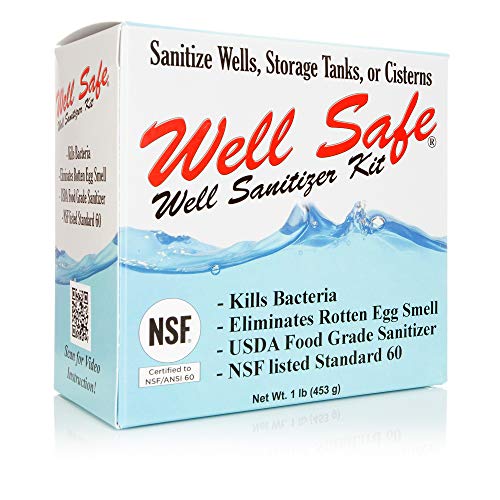
Overview: The Well Safe Well Sanitizer Kit is designed to disinfect wells, storage tanks, and cisterns, improving odor and taste issues while reducing bacteria. It provides simple, DIY instructions with a process of circulating sanitizer through the well system and flushing until clear. This option emphasizes ease of use and cost-efficiency, making it a practical choice for homeowners seeking a periodic sanitization routine rather than continuous dosing.
Key considerations:
– Easy-to-follow instructions support straightforward DIY sanitization.
– Focuses on deodorizing and sanitizing rather than ongoing chlorine feed.
– Consider the well type and volumes when planning sanitization cycles to ensure complete coverage.
id=”product-5″>Lunza Well Water Sanitizer Kit

Overview: The Lunza Well Water Sanitizer Kit targets comprehensive well sanitization, designed to remove sulfur odors and sulfur-related tastes while addressing iron buildup and other contaminants. It is described as non-toxic and food-grade safe, suitable for both shallow and deep wells. The kit emphasizes restoring water freshness and purity through a sanitation process that improves taste and odor after treatment.
Key considerations:
– High sanitization efficacy with a focus on odor and mineral buildup control.
– Non-toxic, food-grade materials suitable for homes with sensitive water tastes.
– Assess well depth, volume, and plumbing configuration to optimize sanitizer distribution and contact time.
Buying Guide: Key Purchase Considerations
- System type and dosing needs: For continuous disinfection, consider diaphragm or peristaltic pumps with adjustable flow. For periodic sanitization, sanitizing kits may be appropriate.
- Voltage and electrical compatibility: Most residential units use 115V or 120V; ensure wiring can accommodate hardwired 230V options if needed.
- Tank and tank-based systems: Tank-based setups offer larger dosing reservoirs but require space and careful maintenance of tank materials to prevent corrosion or chemical reactions.
- Tubing and material compatibility: Tubing materials (like Santoprene) determine chemical resistance and longevity. Check compatibility with chlorine products and water chemistry.
- Maintenance and replacement parts: Pumps, tubing, and seals require periodic service. Consider brands with readily available replacement parts and straightforward maintenance.
- Water quality goals: Align product choice with odor, taste, and disinfection goals—whether you need eradication of sulfur odors, reduction of bacteria, or rust prevention.
- System size and household needs: Dosing rates (GPD) should match the well flow and well-water chemistry. Oversized units may waste chemicals, while undersized units may under-dose.
- Safety and handling: Follow manufacturer instructions for chemical handling, storage, and bypass options to safely install and operate your system.
- Combination approaches: Some setups pair a dosing pump with a sanitizing kit for seasonal or routine maintenance, balancing continuous protection with periodic refreshing of water quality.
- Installation location: Indoor vs. outdoor placement, electrical accessibility, and proximity to the well pump and storage tanks influence ease of installation and maintenance access.