Businesses and homesteaders alike can turn used oils into reliable heat with waste oil heaters. These units are best suited for auto shops, garages, workshops, and off-grid setups where cheap heat is essential and waste oil is readily available. The following selections highlight the strongest options for continuous operation, durability, and flexible fuel compatibility. The quick summary below identifies who each model serves best.
| Product | Best For | Key Benefit |
|---|---|---|
| Dinithron DC 12V Waste Oil Burner | Busy garages needing off-grid heating | High-efficiency engineering for garage use |
| WVO Designs Waste Oil Centrifuge | Facilities that need clean oil for reuse | Removes dirt and water from waste oils |
| Waste Oil Heater for Garage DC 12V | Industrial workshops and fleet garages | Industrial-grade heating with robust construction |
| Waste Oil Burner Indoors Smokeless | Indoor workshops and small warehouses | Smokeless operation with multi-fuel capability |
| Waste Oil Burner 15 kW for Wood Stoves | Small-scale facilities needing high heat | High heat output with easy installation |
Dinithron DC 12V Waste Oil Burner & Heater
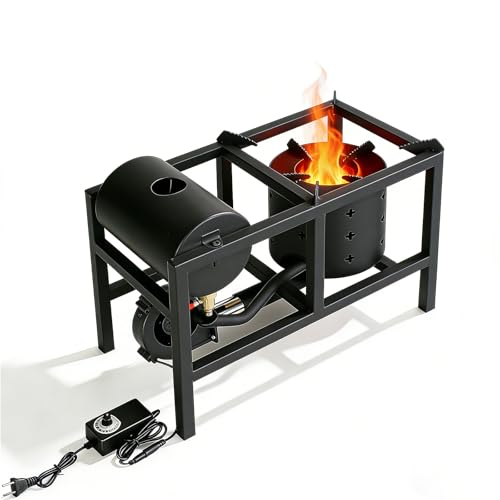
Best for auto shops and homesteading garages that require a compact, high-efficiency waste oil heating solution. This heavy-duty furnace is designed to burn used motor oil, hydraulic oil, and transmission fluid, delivering reliable heat while reducing energy costs. The rugged steel construction supports long-lasting performance in demanding environments. A practical choice where waste oil is abundant and off-grid operation is needed, especially in garages and canning setups.
Who it’s best for: Auto repair shops, small garages, and off-grid homesteads needing durable, efficient waste-oil heating.
Why selected: Combines high-efficiency combustion with a robust build and compatibility with common waste oils, helping to lower heating expenses.
Caution: Data suggests a heavy-duty design; ensure proper ventilation and adherence to safety guidelines when operating near flammable liquids.
WVO Designs Waste Oil Centrifuge
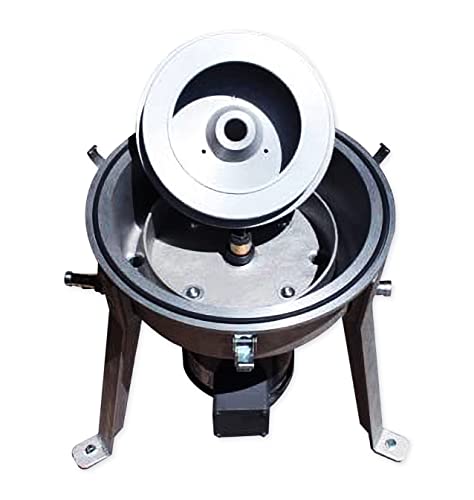
Best for facilities that generate multiple waste oil streams and want to reclaim and reuse fluids. This centrifuge cleans waste vegetable oils and other fluids, removing dirt and water and processing up to 25 gallons per hour. It supports producing higher-quality oil for use in furnaces or engines, making it ideal for workshops that regularly recycle oils.
Who it’s best for: Shops or homesteads that convert waste oil into usable fuel, needing purification before reuse.
Why selected: The device focuses on cleaning and separating contaminants, which improves fuel quality and system longevity.
Caution: Requires space and a reliable power source; performance depends on maintenance and feed quality.
Waste Oil Heater for Garage DC 12V

Best for commercial garages and fleet service centers that require continuous, dependable heat output. This unit emphasizes industrial-grade heating with a reinforced steel body and a precision burner system, designed for long-term use in demanding environments. It’s suitable for workshops and warehouses seeking stable heat and efficient burn of used oils.
Who it’s best for: Fleet garages and automotive service centers needing durable, high-output heating.
Why selected: Strong build and consistent heat delivery align with professional workshop needs.
Caution: May require installation space for venting and clearance around the unit in busy shop floors.
Waste Oil Burner Indoors Smokeless

Best for indoor workshops and small warehouses where smoke and odor control is important. This model supports multi-fuel compatibility, burning waste engine oil, bio oil, gear oil, hydraulic oil, and even certain cooking oils (water-free). It offers multiple heating area options and generally smokeless operation after ignition, though initial startup may produce temporary smoke.
Who it’s best for: Indoor spaces needing cleaner operation and flexible fuel use.
Why selected: Smokeless performance and broad fuel compatibility address common constraints in confined spaces.
Caution: Some fuels may produce brief odors during startup; ensure adequate ventilation during ignition.
Waste Oil Burner 15 kW for Wood Stoves

Best for small facilities or home workshops needing a high-heat source with straightforward installation. Each unit is hand-assembled for consistent quality and performance. It emphasizes significant savings on fuel by utilizing waste oil, with robust construction designed for long-lasting operation and easy maintenance.
Who it’s best for: Small garages, workshops, and service stations seeking reliable, high-output heat at lower running costs.
Why selected: The combination of high heat output and simplified maintenance supports heavy-use scenarios.
Caution: Hand-assembly may imply variability between units; confirm consistent fabrication when purchasing multiple units.
Buying Guide
What to consider when choosing a waste oil heater:
- : Match kilowatts or BTU to room size. Larger spaces need higher output or staged heating to avoid fuel waste.
- : Look for units that burn common waste oils you generate, such as motor oil, hydraulic oil, or vegetable oil, and note any water or fuel impurities constraints.
- : Heavier steel frames and industrial burners resist wear in busy shops; evaluate the environment where the heater will operate.
- : Ensure proper venting and follow safety guidelines for combustion appliances, especially indoors or in enclosed spaces.
- : Consider units with easier access for cleaning, filter changes, and oil level management to minimize downtime.
- : Centrifuges or preheaters can improve fuel quality and reliability; multi-fuel capability adds flexibility.
Frequently Asked Questions
- Are waste oil heaters legal for indoor use? Indoor use depends on local codes and proper ventilation. Follow all safety regulations and manufacturer guidelines.
- What fuels can I burn in these heaters? Most units handle used motor oil, hydraulic oil, transmission fluid, and similar waste oils. Some models support additional fluids; verify compatibility before use.
- Do these units require electricity? Many are 12V or 220V powered and include ignition or control components; ensure your power setup meets the unit’s requirements.
- What maintenance is typical? Regular oil level checks, burner cleaning, and vent inspection support consistent operation and safety.
- Is pre-cleaning of waste oil needed? Some systems benefit from a centrifuge or filtration step to improve burning quality and reduce maintenance.
- Can these heaters replace traditional heating? They can supplement or substitute for conventional systems in low-demand or off-grid applications, depending on space and heat needs.