Answering the search intent: choose durable, compliant underground yellow polyethylene gas pipe fittings for easy underground piping and leak prevention. This guide highlights fit-for-purpose options ideal for homeowners and professionals installing or repairing gas lines. The top picks cover common sizes, including 1/2″, 1/2″ to 1″, 3/4″, and SDR-11 wall thickness, helping you select components that match typical underground gas systems. The buyer types best suited for these products include do-it-yourself homeowners handling straightforward gas runs and contractors needing reliable, easy-to-install fittings.
Summary table of selected products
| Product | Brand | Size | Best For | Notes |
|---|---|---|---|---|
| Home-Flex Underground IPS Yellow Poly Gas Pipe 90 Degree Elbow (3/4) | HOME-FLEX | 3/4″ | Residential 3/4″ runs | Reliable, durable elbow |
| 3/4″ IPS Underground Yellow Poly Gas Pipe Coupler (SDR-11) | Generic | 3/4″ | Connecting 3/4″ lines | SDR-11 wall thickness |
| Home-Flex Underground IPS Yellow Poly Gas Pipe Tee (1) | HOME-FLEX | 1″ | Branch or mainline taps | 1″ outlet end |
| Underground IPS Yellow Poly Gas Pipe 90 Degree Elbow (1/2) | HOME-FLEX | 1/2″ | Small runs or appliances | 1/2″ end diameter |
| HOME-FLEX Underground IPS Yellow Poly Gas Pipe 90 Degree Elbow (1) | HOME-FLEX | 1″ | Primary gas line corners | Standard 1″ elbow |
Home-Flex Underground IPS Yellow Poly Gas Pipe 90 Degree Elbow (3/4)
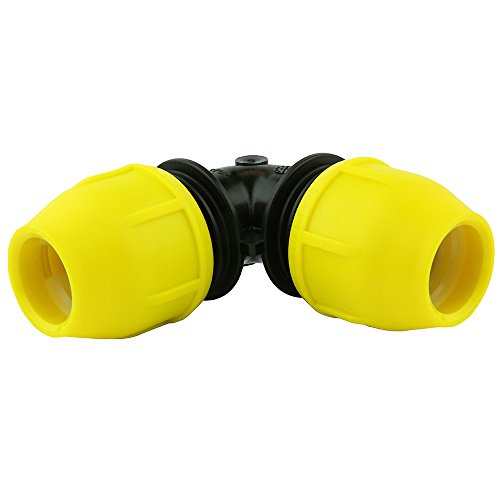
Product details: Color Black/Yellow, Material Polyethylene, End 1 diameter 3/4″. Best for: 3/4″ underground gas runs where a 90-degree turn is needed. Chosen for its compatibility with typical home gas line sizes and durable polyethylene construction. Limitation: data does not specify SDR rating; confirm local code requirements before installation.
3/4″ IPS Underground Yellow Poly Gas Pipe Coupler (SDR-11)

Product details: Type Coupling, Size 3/4″, Wall Thickness SDR-11. Best for: joining two 3/4″ segments in underground installations where SDR-11 is specified. Better for: tight, compact connections. Caution: ensure correct SDP/ SDR compatibility with your pipe and local codes; SDR-11 may not be specified in all jurisdictions.
Home-Flex Underground IPS Yellow Poly Gas Pipe Tee (1)

Product details: Color Black/Yellow, Material Polyethylene, End 1 diameter 1″. Best for: creating a branch from a main line or diverting flow in 1″ gas piping. Chosen for 1″ compatibility and straightforward installation. Limitation: more fittings may be required for complex networks; verify compatibility with existing lines.
Underground IPS Yellow Poly Gas Pipe 90 Degree Elbow (1/2)
Product details: Color Black/Yellow, Material Polyethylene, End 1 diameter 1/2″. Best for: 1/2″ gas line corners in tight spaces. Better for: smaller gas line projects or appliance connections. Caution: verify that the 1/2″ size is compatible with your existing piping and code requirements.
HOME-FLEX Underground IPS Yellow Poly Gas Pipe 90 Degree Elbow (1)
Product details: End 1 Diameter 1 in. Best for: a standard 1″ elbow in underground gas lines. Selected for its anticipated compatibility with common 1″ piping configurations. Limitation: the data mentions reliability and “up to date designs” but lacks formal specifications; confirm with local codes before use.
HOME-FLEX Underground IPS Yellow Poly Gas Pipe Tee (1/2)
Product details: Color Black/Yellow, Material Polyethylene, End 1 diameter 1/2″. Best for: 1/2″ branch connections off a main line. Choose this if your system requires a compact tee for smaller lines. Limitation: ensure SDR compatibility and verify that the 1/2″ branch fits your appliance connection or main line.
Buying Guide: Key Considerations for Underground Yellow Gas Pipe Fittings
What size and type do I need?
Match the fitting size to your pipe diameter (commonly 1/2″, 3/4″, or 1″). Decide between elbows, tees, and couplers based on the layout of your gas line. SDR-11 rings a bell for certain couplings, while standard SDR ratings may apply to your local code.
Material and durability
Polyethylene fittings are common for underground gas lines due to flexibility and corrosion resistance. Look for color coding (black/yellow) that indicates polyethylene gas-grade fittings and check for compatibility with your pipe type and local regulations.
Compatibility with existing piping
Ensure the end diameter and connection type (IPS, SDR-11, etc.) align with your current pipe. Some fittings are better suited for simpler runs, while others support branches or corners in more complex layouts.
Code and safety considerations
Local building and gas codes may specify allowable materials, sizing, and installation methods. Verify if you need professional assistance for underground gas connections and whether specific fittings are required by code enforcement.
Installation practicality
Consider ease of installation, such as a preferred elbow or tee for your route, and whether extra fittings are needed for branching or turning corners. Use compatible tools and follow manufacturer guidance for clean, secure joints.
Limitations and cautions to note
Some product entries lack full technical specifications. When data is incomplete, cross-check measurements and SDR ratings with official product documentation or a local supplier. Always follow safety guidelines for underground gas work and consult a licensed professional when in doubt.
Frequently asked questions
- What is the purpose of SDR-11 in couplers? SDR-11 indicates the wall thickness and overall strength, affecting compatibility and pressure rating for 3/4″ lines.
- Can I mix fittings from different brands? Compatibility depends on end diameters and standards; always verify IPS sizing and code compliance before mixing brands.
- Are yellow fittings universally approved for underground gas? Yellow indicates gas-grade polyethylene; local codes confirm acceptance and installation requirements.
- Do I need specialized tools to install these fittings? Installation typically requires basic pipe tools and possibly solvent or heat fusion methods per product instructions.
- When should I hire a professional? For underground gas lines, when in doubt about code compliance, pressure requirements, or any complex routing, seek licensed assistance.