Best Torque Sensors for Ebikes: Find the Right Fit for Your Ride
Post published:September 29, 2026
Answering your search for reliable torque sensors for e-bikes, this guide highlights five strong options and explains who they’re best for. Torque sensors measure how hard you pedal and translate that into motor assistance, delivering a natural, responsive ride. Ideal buyers include daily commuters needing consistent pedal feel, mountain riders seeking precise support on grades, and DIY enthusiasts replacing worn parts. Below, you’ll see a quick comparison table, then in-depth product sections to help you decide which sensor best matches your motor system and riding style.
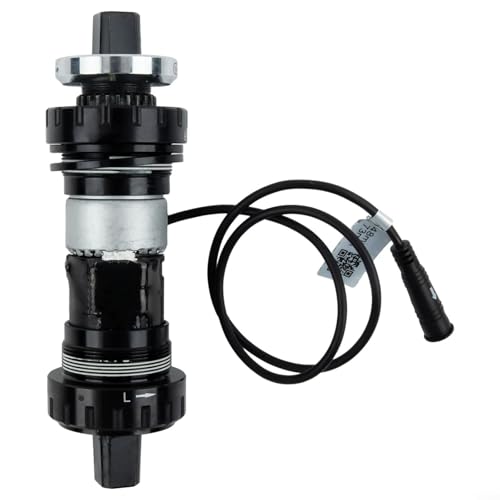
The LivGrain sensor uses steel and metal construction for long-lasting performance, designed for Bafang mid-drive motors. It features a 6-pin cable and a 73mm bottom bracket width, with a total axle length of 148mm. The design emphasizes straightforward installation and reliable operation as a replacement part for compatible motors.
Who it’s for: riders with Bafang mid-drive setups seeking durable, plug-and-play torque sensing without complex adjustments. Why chosen: solid metal build and clear compatibility help reduce installation trouble and improve pedal feel. Caution: not compatible with center-motor systems.
The Shophubio torque sensor uses steel and metal construction for robust operation in electric power assist systems. It’s tailored for specific motors and is not designed for center motors or incompatible controllers, ensuring reliable performance when correctly matched. Installation is described as straightforward for mid-drive replacements.
Who it’s for: riders upgrading existing mid-drive systems who want a rugged, purpose-built sensor. Why chosen: strong, durable materials with a clear motor compatibility focus. Caution: not suitable for center-motor setups.
FABULETTA’s 73mm bottom-bracket torque sensor is built for Bafang mid-drive motors, featuring a 6-pin cable and steel construction for durability. It’s presented as an easy-to-use replacement option with a design that emphasizes long-term performance. The sensor’s compatibility and straightforward installation are highlighted for reliable upgrades.
Who it’s for: riders upgrading or replacing Bafang mid-drive sensors who want dependable, easy installation. Why chosen: similar steel construction and clear 73mm/148mm specs make it easy to verify fit. Caution: not compatible with center-motor configurations.
The ENGWE EP-2 3.0 integrates a 90Nm torque sensor within a high-end e-bike package. It highlights a natural pedal feel and precise torque sensing that responds quickly to rider input, contributing to a smooth riding experience. This model also emphasizes other advanced features like a built-in GPS and robust powertrain components.
Who it’s for: riders seeking top-tier torque sensing and additional smart features for urban and mixed-terrain use. Why chosen: the 90Nm sensor delivers a responsive, natural feel. Caution: features beyond sensing may be more suited to enthusiasts with compatible ecosystems.
Varstrom’s PAS sensor focuses on compatibility with Bafang hub motors. It uses 12 magnets to provide higher accuracy for pedal-assist activation and includes a waterproof plug for reliability in adverse weather. The design emphasizes better responsiveness to pedal input and straightforward integration with existing hubs.
Who it’s for: riders with Bafang hub motor systems who want higher pedal-assist precision. Why chosen: robust magnetic design and waterproofing improve reliability in varied conditions. Caution: not a torque sensor, so pedal assist behavior differs from torque-based systems.
Cunyuer’s pedal assist system uses 12 magnets and emphasizes ease of installation, accuracy, and durability. Made with steel components and designed to fit a wide range of e-bikes, this sensor aims to extend riding distance with reliable performance under normal riding conditions.
Who it’s for: riders seeking versatile PAS compatibility across many e-bikes. Why chosen: high magnet count for accuracy and a focus on straightforward installation. Caution: not a torque sensor; speed and assist feel depend on controller settings.
Dilwe’s multifunctional sensor provides 12 magnets in a PC plastic housing for durability and broad compatibility. It emphasizes easy installation and a reliable interface for detecting pedal movement. The sensor is positioned as a practical upgrade option for improving pedal assist reliability.
Who it’s for: riders seeking broad PAS compatibility with straightforward installation. Why chosen: practical design with emphasis on reliability and ease of use. Caution: as a PAS device, its behavior depends on the bike’s controller and motor system.
Buying Guide: Key Purchase Considerations
What motor system do you have? Torque sensors must match your drive system—mid-drive sensors usually fit Bafang or similar motors, while hub-motor PAS sensors suit hub designs. Check the 73mm bottom bracket width and 148mm axle length for compatibility with your crank configuration.
Is it a torque sensor or a pedal-assist sensor? Torque sensors measure applied pedaling torque for natural assist; PAS sensors focus on pedal movement with magnets and Hall effect. Choose based on desired ride feel and motor response.
Installation complexity and on-hand skills matter. Some options are quick swaps with existing wiring; others may require controller configuration or alignment checks. Consider a part with documented compatibility and straightforward installation steps.
Durability and materials influence longevity. Look for steel or metal construction when possible for mid-drive torque sensors, especially under heavy use or rugged conditions. Weather resistance matters for outdoor riding in varied climates.
Future-proofing and expansion. If you plan upgrades, verify whether the sensor is compatible with your existing motor, controller, and wiring harness. A well-documented part reduces the risk of misfit or performance gaps.
FAQ
What is the primary difference between torque sensors and PAS sensors? Torque sensors measure the force you apply to pedals and provide proportional motor assistance, while PAS sensors detect pedal movement or cadence to trigger assistance.
Will a torque sensor work with any e-bike motor? No. Torque sensors must match the motor system type (mid-drive vs. hub) and often require compatible controllers and wiring.
How do I know if a sensor fits my 73mm bottom bracket? Check the sensor’s 73mm width spec and total axle length (often 148mm) to ensure it aligns with your crank and frame design.
Are premium torque sensors worth the upgrade? If you want smoother, more natural pedal feel and precise motor response, a well-matched torque sensor can significantly improve control and efficiency.
What maintenance does a torque sensor require? Regular checks of connectors and secure mounting help preserve accuracy; avoid moisture intrusion and inspect for bent cables or loose hardware.
Can I replace a sensor myself? Many models allow DIY replacement with basic tools, but ensure you follow the manufacturer’s instructions and disconnect power before installation.