When hot water is needed instantly, a tankless water heater on demand can be a practical upgrade. This guide reviews top options, highlights key features, and helps you compare installation needs, efficiency, and performance for households of various sizes. The focus is on compact, energy‑efficient units that deliver hot water on demand without maintaining a storage tank.
| Product | Brand | Heat Type | Typical Flow | Key Benefit |
|---|---|---|---|---|
| DOYXC Tankless Water Heater Electric 110V | DOYXC | Electric, 110V | 0.3–0.5 GPM | Compact under-sink unit with LCD display |
| ECOTOUCH 14kW Tankless Water Heater | ECOTOUCH | Electric, 240V | Up to 3.38 GPM | Self‑modulating controller for steady temps |
| Rheem 6.5kW POU Tankless Electric | Rheem | Electric, POU | Depends on setup | Endless hot water with compact footprint |
| APUS 4500W Tankless Water Heater | APUS | Electric, 240V | Up to 3.0–3.5 GPM (varies by temp) | Smart energy efficiency and touch control |
| Orbek 18kW Tankless Water Heater | Orbek | Electric, 240V | Up to 4.17 GPM | High flow for 2–3 fixtures |
Note: This overview focuses on on-demand electric and gas options commonly used for point‑of‑use or compact installations. Always verify electrical capacity and venting requirements before purchase or installation.
DOYXC Tankless Water Heater Electric 110V
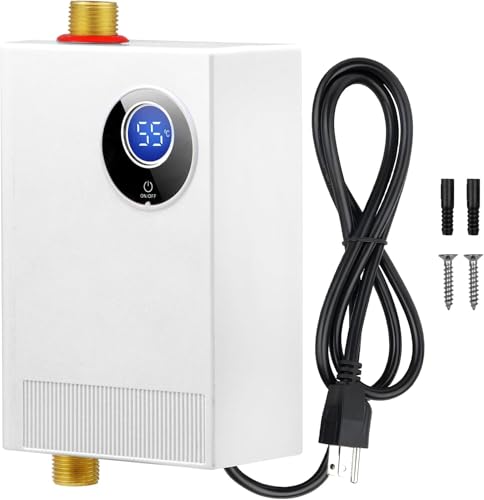
Instant hot water is the core claim for this 110V model. It heats water to 82°F at 0.3 GPM or up to 131°F at 0.5 GPM in seconds, eliminating preheat waits. The unit is wall-mounted for space savings and is designed for kitchens, bathrooms, RVs, and other small spaces. A built-in LCD display provides status and temperature readings, helping operators monitor performance. Safety features include leakage protection, dry‑burning protection, IPX4 waterproofing, and automatic power-off when not in use.
ECOTOUCH 14kW Tankless Water Heater

This 240V tankless heater is designed for multi‑fixture use with up to 3.38 GPM. It employs a smart control chip that continuously monitors performance and temperature, aiming for minimal fluctuation. Important installation notes include the need for a 60A double-pole breaker and appropriate wire sizing. ETL certification supports safety and reliability, while the unit’s dimensions fit typical under‑sink or closet spaces. The system emphasizes instant hot water with strong temperature stability during use.
Rheem 6.5kW Point Of Use Tankless Electric

The Rheem POU tankless unit focuses on space savings while delivering dependable hot water at the point of use. It’s engineered to maintain hot water within close tolerance, ensuring a consistent temperature with variable flow. The compact size is suitable for under-sink installations and other tight spaces where hot water is needed without a traditional storage tank. The design emphasizes efficiency and reliability, backed by Rheem’s reputation in residential heating equipment.
YONOOQ Tankless Water Heater Electric 4500W

This 4500W electric unit emphasizes rapid warm‑up and precise temperature control via a digital display and memory function. It supports adjustable temperatures from 80°F to 131°F and aims for high efficiency through smart flow sensing and a control chip. The compact footprint and LED touchscreen enhance usability, making it suitable for apartments, small kitchens, and bathrooms where instant hot water is desirable without storage tanks.
xwdzswgs Tankless Water Heater Electric 110V

This compact 110V model delivers hot water quickly, with an emphasis on safety features such as IPX4 waterproofing and dry‑burn protection. It supports a temperature range suitable for household needs and includes a user‑friendly LED display. Installation notes suggest vertical mounting to avoid heating element malfunctions, and the unit is designed for under‑sink or small bathroom installations where space is at a premium.
APUS Tankless Water Heater Electric 240V
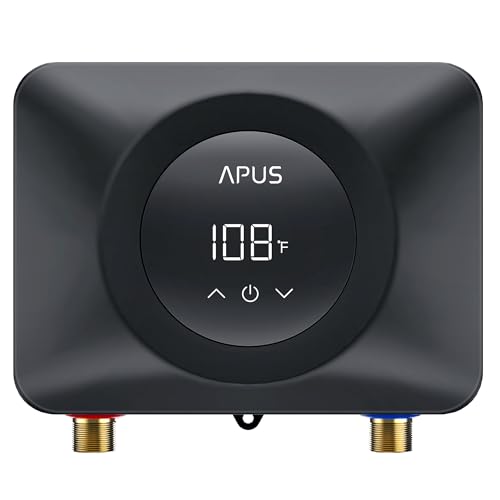
APUS emphasizes instant hot water with a 4.5 kW heater and a temperature range from 85°F to 131°F. Its self‑modulating technology adjusts energy use based on flow and temperature, potentially reducing electricity bills. The unit features an LED touchscreen and a slim profile that fits under sinks or in small spaces, making it ideal for single‑point use in kitchens or baths and for commercial settings with tight spaces.
Orbek 18kW Tankless Water Heater
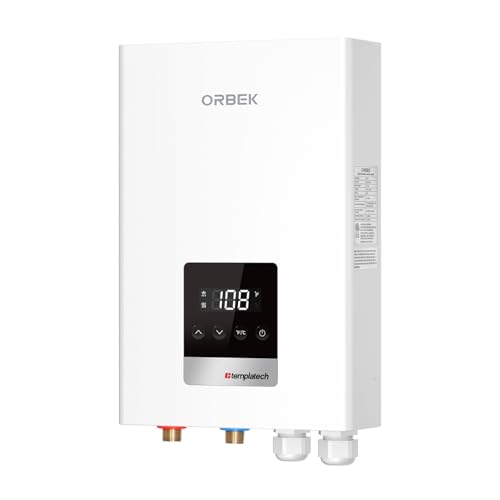
Orbek’s 18 kW unit is designed for higher demand, delivering up to 4.17 GPM to support two to three fixtures simultaneously. It requires careful electrical planning, including 240V/40A circuits and dedicated wiring. The product emphasizes rapid on‑demand hot water and energy efficiency through separation of water and electrical pathways to minimize scale and corrosion, with protective features for safe operation.
Buying Guide: Key Purchase Considerations
- Electrical and gas requirements: Verify circuit capacity, breaker size, wire gauge, and available gas supply. Electric models often need dedicated 240V circuits with specific amperage, while gas models require venting and gas line considerations.
- Flow rate and temperature rise: Determine the GPM you need for simultaneous use (sinks, showers, appliances) and check the unit’s rated flow at the desired temperature rise in your climate.
- Space and installation location: Consider under-sink, closet, or outdoor mounting. Point‑of‑use units save space but may require multiple units for larger homes.
- Energy efficiency and technology: Look for self‑modulating controls, digital displays, memory functions, and remote or touchscreen interfaces to optimize energy use and comfort.
- Safety and certifications: Check IP ratings, leak protection, dry‑fire protection, and third‑party certifications (ETL, UL) for reliability and warranty coverage.
- Maintenance needs: Some units require regular checks for leaks, scale buildup, and electrical connections. Inner separation of water and electrical lines can reduce maintenance in some models.
- Warranty and service: Consider brand reputation and availability of service networks in your area for future support and parts.
- Cost vs. benefit: Compare upfront equipment costs with long‑term energy savings, especially when replacing a standard tank heater in an older home.