Answering the question of which smart 50 gallon water heater fits your home, budget, and daily hot-water needs. This guide highlights models with energy efficiency, smart controls, and reliable performance for mid-to-large households. Best for homes with 3–5 occupants or multiple bathrooms, these options balance capacity, efficiency, and modern controls. The table below summarizes the five featured picks for quick comparison.
| Product | Best For |
|---|---|
| Rheem PROE50 M2 RH95 | Reliable family homes needing steady hot water with space-saving design |
| MRCOOL 50 Gallon Electric | Affordability with solid performance for average daily use |
| Senville 50 Gallon Hybrid | Energy savings with heat pump technology for larger energy reduction |
| Rinnai REHP50 Electric Heat Pump | Energy efficiency with strong first-hour delivery for busy mornings |
| ACiQ Electric 50 Gallon Hybrid | Quiet operation and indoor installation in climate-controlled spaces |
Rheem PROE50 M2 RH95 50-Gallon Electric Water Heater

Designed for medium-to-large households, this Rheem model delivers ample hot water for 3–5 people or homes with 3+ bathrooms. Its compact footprint helps replace older units with a smaller installation area. The unit uses an automatic thermostat and an anode rod to resist corrosion. Best for buyers prioritizing reliability from a leading brand in water heating.
Who it’s best for: homes that want a dependable, space-efficient electric heater from a trusted name. Why chosen: strong track record in durability and support. Caution: installation compatibility should be confirmed for retrofit projects or non-standard electrical setups.
MRCOOL 50 Gallon Electric Water Heater

This 4500W dual-element electric tank emphasizes fast recovery and consistent hot water across showers, sinks, and laundry. With a focus on efficiency and reliability, MRCOOL aims to reduce wait times for hot water. The unit includes a rare-earth anode and self-cleaning features for longer life.
Who it’s best for: households needing solid daily performance with straightforward operation. Why chosen: strong recovery speed and energy-conscious design. Caution: flow rates may vary with high-demand days; ensure your electrical service can support dual 4500W elements.
Senville 50 Gallon Hybrid Heat Pump Water Heater
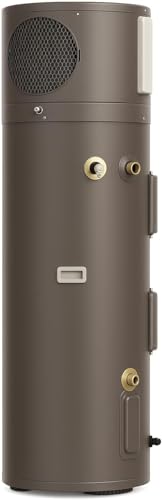
Hybrid technology uses ambient air heat to pre-warm water, dramatically cutting electricity use versus standard electric models. With a 69-gallon First Hour Rating (FHR) and a 3.75 UEF, it targets noticeable energy savings while maintaining reliable hot water for everyday needs.
Who it’s best for: eco-conscious homes seeking big energy savings without sacrificing hot-water reliability. Why chosen: best-in-class efficiency for a 50-gallon tank. Caution: performance depends on indoor ambient temperature; ensure installation area stays within recommended temperatures.
Rinnai REHP50 Electric Heat Pump Water Heater

Rinnai combines heat-pump efficiency with a strong first-hour delivery (up to 73 gallons) for households with higher daily hot-water needs. Energy Star certification signals efficiency, and a demand-response feature can help save during utility peak times.
Who it’s best for: busy households that want high initial hot-water delivery and utility-friendly operation. Why chosen: balanced efficiency and robust first-hour performance. Caution: higher upfront cost is common with heat-pump systems.
ACiQ Electric 50 Gallon Hybrid Water Heater

ACiQ’s 50-gallon hybrid unit emphasizes indoor installation with a focus on quiet operation. It requires adequate air circulation and a controlled indoor environment to function best. The model suits basements or garages where ambient temperatures stay within the recommended range.
Who it’s best for: homes needing a quiet, indoor-installable hybrid option. Why chosen: practical for indoor spaces with moderate climate control. Caution: ensure adequate air circulation and avoid installing in spaces with extreme cold or heat outside the recommended range.
Buying Guide: Key Considerations for a 50 Gallon Smart Water Heater
- Energy efficiency vs. upfront cost: Heat-pump (hybrid) models save more energy over time but may cost more initially. Compare UEF ratings and first-hour ratings (FHR).
- Installation space and mounting: Consider footprint, ventilation, and whether your space supports indoor installation for hybrid units.
- Smart features: Look for WiFi/app control, vacation modes, and energy monitoring to optimize usage and potential utility savings.
- Climate and ambient conditions: Heat-pump heaters depend on ambient air temperature; ensure the installation area stays within the recommended range.
- First-hour delivery: For busy households, a higher FHR helps ensure a robust supply of hot water in the initial hour.
- Electrical requirements: Dual-element electric heaters require appropriate breaker capacity; verify electrical service before purchase.
- Maintenance and longevity: Anode rods and self-cleaning features can extend life; regular inspections help prevent corrosion and scale buildup.
Frequently Asked Questions
- What is a 50 gallon smart water heater best for?
It suits mid-to-large households with multiple bathrooms and higher daily hot-water demand, while offering energy-saving features in hybrid or heat-pump models. - Do heat-pump water heaters work well in small spaces?
Yes, but they rely on surrounding air. They perform best in climate-controlled indoor areas with adequate ventilation. - Is a 50 gallon tank enough for 3–4 people?
Often yes, depending on usage patterns, but high-demand mornings may benefit from higher FHR or a backup solution. - What maintenance is required for these units?
Regular checks of anode rods, periodic flushing to reduce sediment, and inspection of wiring and thermostats help maintain efficiency and longevity. - Do these units have smart home integration?
Several models offer WiFi or app control for temperature scheduling and monitoring, aiding energy management and convenience. - Should I choose a hybrid over a standard electric tank?
If energy savings are a priority and you can place the unit in a suitable indoor space, hybrids typically offer lower operating costs over time.