Single-sided power meters offer precise pedal-based data without the full dual-sensor setup. This guide highlights five top options that balance accuracy, transferability, and practical use for riders who want reliable power metrics on multiple bikes. Whether you’re a road racer, mountain biker, or weekend enthusiast, these models help you measure output, cadence, and pedaling efficiency across terrains.
Summary table of selected products:
| Product | Best For | Key Benefit | Notes |
|---|---|---|---|
| Garmin Rally XC110 | Mountain bikers and off-road riders | Single-sensing with high accuracy | Removable sensor for easy transfer between bikes |
| Favero Assioma PRO RS-1 | Performance-focused riders | Left-pedal power sensor, right pedal passive | Excellent for advanced metrics on a budget |
| Favero Assioma Uno | Entry-level to mid-range riders | Easy installation, long battery life | Smart tech for efficient training |
| Garmin Rally RK100 | Look KEO users and versatile setups | Transferable spindle design | Single-sensing, good cleat compatibility |
| Favero Assioma PRO RL-1 | Advanced training analytics | Left motor sensor with rich metrics | Long battery life, minimal calibration |
Garmin Rally XC110, Single-Sensing Power Meter Pedals

The Garmin Rally XC110 is a single-sensing pedal-based power meter designed for off-road use with Shimano SPD cleats compatibility. It installs like a standard pedal and transfers quickly between bikes, making it ideal for cyclists who ride multiple machines or travel with their setup. It measures total power and cadence with high responsiveness thanks to a new strain gauge and gyroscope, offering ±1% accuracy. This model suits riders who want robust metrics in rugged terrain and ease of swapping between bikes.
Best for: Mountain bikers and endurance riders who need reliable data on varied trails. Why selected: It combines transferability with precise measurements and quick install/removal. Limitation: Sensor removal may require careful reattachment to maintain accuracy after swapping bikes.
Favero Assioma PRO RS-1 Single-Side Power Meter Pedals

The Favero Assioma PRO RS-1 uses a left-side power sensor with the right pedal without power measurement, delivering precise data with a full Shimano SPD-SL cleat compatibility. This setup is particularly suited for riders who want detailed power metrics without the cost of dual-sensing pedals. The RS-1 is known for strong reliability and straightforward installation, making it a strong pick for cyclists focused on performance tracking and consistent output.
Best for: Competitive cyclists seeking accurate single-sensor data with broad cleat compatibility. Why selected: Combines precise power metrics with ease of use and a robust ecosystem for data analysis. Limitation: Only one pedal provides power data, which may complicate certain cross-pedal analyses for some coaches.
Favero Assioma Uno Power Meter Pedal

The Favero Assioma Uno is an easy-to-install single-sensor pedal that emphasizes user-friendly operation and long battery life, delivering up to 50 hours of use per charge. It leverages advanced cycling technology to maximize the efficiency of each pedal stroke. The Uno is a practical choice for riders who want dependable power data without a steep learning curve or frequent calibrations.
Best for: Newcomers to power meters and riders who value simple setup. Why selected: Strong battery life and straightforward installation support reliable training over longer rides. Limitation: Only one pedal carries the power sensor, which may affect certain pedal-stroke analyses for some training plans.
Garmin Rally RK100 Single-Sensing Power Meter Pedals
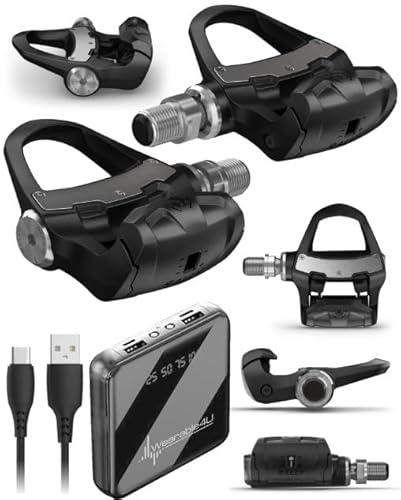
The Garmin Rally RK100 is a single-sensing pedal designed for Look KEO cleats, with a spindle transfer method that supports easy bike swaps. It provides cadence and power data primarily from the left pedal, with a pathway to dual-sensing upgrades if needed. This model is well-suited for riders already invested in Look KEO systems who want reliable power data without a complex setup.
Best for: Look KEO cleat users who want reliable, transferable power data. Why selected: Strong transferability and a familiar cleat interface. Limitation: Single-sensing configuration means depth of metrics can be limited compared to dual-sensor setups.
Favero Assioma PRO RL-1 Look Keo Compatible

The Assioma PRO RL-1 delivers a single-side power sensor on the left pedal with a robust feature set. It emphasizes professional-grade metrics in real-world riding, offering up to 160 hours of battery life and easy, calibration-free operation. Advanced performance metrics include L/R balance, Pedaling Power Output (PPO), Power Phase, Rider Position, and more—great for riders focusing on sharpening pedaling technique and efficiency.
Best for: Riders who want advanced analytics and long battery life without frequent maintenance. Why selected: Rich metrics beyond wattage help refine technique and fatigue management. Limitation: The instrument emphasizes single-side data, which may require interpretation for athletes needing full bilateral insight.
Buying Guide: Key Purchase Considerations
What kind of rider should choose single-sided power meters?
Single-sided meters are ideal for athletes who want actionable power data with lower cost and simpler installation than dual-sensing systems. They work well for beginners seeking training feedback and for experienced riders who don’t require bilateral power data for their routines.
How to choose between transferability and fixed setups?
Transferable pedals are great for riders who switch bikes often or share gear with teammates. Fixed or non-transferable setups can reduce complexity and may be preferable for riders training on a single bike. Consider your travel needs, storage space, and how often you swap bikes.
What metrics should you expect?
Most single-sided meters measure cadence and total power. Some models offer advanced metrics like Left-Right Balance, Power Phase, and Pedal Smoothness. Decide which metrics align with your training goals and whether you want more data for technique refinement.
Installation and maintenance considerations
Look for pedals with straightforward installation, easy battery access, and minimal calibration. Battery life varies by model; longer life reduces downtime. Consider whether you need a model that supports your cleat system (Shimano SPD, Look KEO, etc.).
Compatibility and future expandability
Check cleat compatibility, device ecosystem, and whether you might upgrade to dual-sensing in the future. If you anticipate growth in data needs, a model with upgrade potential could be advantageous.
Summary of selected options
- Best for off-road and easy bike swapping: Garmin Rally XC110
- Best for performance metrics with right pedal passive: Favero Assioma PRO RS-1
- Best for simple setup and long battery life: Favero Assioma Uno
- Best for Look KEO users and spindle transfer: Garmin Rally RK100
- Best for advanced analytics and long battery life: Favero Assioma PRO RL-1
FAQ
- What is a single-sided power meter?
A pedal-based device that measures power from one pedal, typically the left, and provides cadence and related metrics for training.
- Do these meters work with multiple bikes?
Yes, many single-sided meters are designed for easy transfer between bikes, but confirm cleat compatibility and spindle design before swapping.
- What metrics are most important for training?
Power, cadence, and optional advanced metrics like Left-Right Balance and Pedal Smoothness help tailor workouts and technique improvements.
- How long do batteries last on these meters?
Battery life varies by model but many offer 50–160 hours per charge, reducing the need for frequent recharging.
- Is dual-sensing worth the extra cost?
Dual-sensing provides bilateral power data, which is valuable for some riders and coaches but not essential for all training programs.