Tracking water levels in an RV’s fresh, gray, and black tanks is essential for reliable camping trips and efficient water use. This guide highlights top-rated RV water level sensor kits and monitors designed to work with common RV tank gauges. Read on to compare features, installation notes, and coverage across different tank types. Each option prioritizes durability, accuracy, and ease of use—helping you pick a sensor system that fits your RV setup and maintenance routine.
Summary of chosen products
| Product | Brand | Key Benefit | Tank Type Compatibility |
|---|---|---|---|
| RecPro RV Water Screw-in Tank Probe Sensors | RecPro | Durable screw-in probes; USA-made; rust-resistant | Fresh, Gray, Black |
| briidea RV Tank Sensor Monitor Panel | briidea | All-in-one panel with LED indicators; 12V operation | Fresh, Gray, Black tanks |
| briidea Bluetooth RV Water Tank Level Sensor Monitor | briidea | Real-time app visibility; auto-sense lighting | Fresh, Gray, Black tanks |
| UYZO Water Tank Sensors (6 Pack) | UYZO | Direct screw-in probes; rugged build; corrosion-resistant | Fresh, Gray, Black tanks |
| Homhelar RV Water Tank Probe Sensors (8/Pack) | Homhelar | Four-part assembly; durable grommets and hardware | Fresh, Gray, Black tanks |
RecPro RV Water Screw-in Tank Probe Sensors
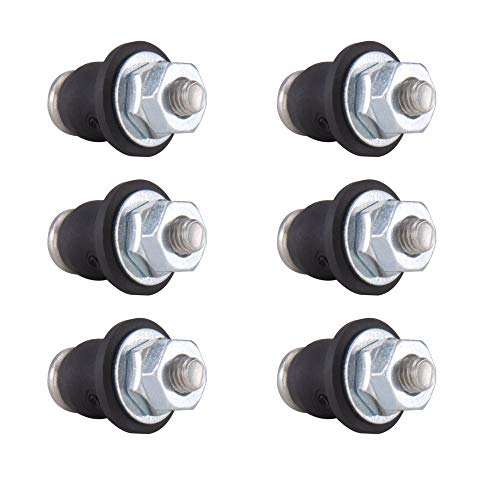
These sensors are designed to monitor fresh, gray, or black RV water tanks with steel and rubber components that resist rust and corrosion. The sensors include a vulcanized rubber grommet to form a tight, impenetrable seal when properly installed. The package emphasizes American-made quality and durability for long-term reliability in RV environments. Installation requires careful seating of the grommet and proper alignment with tank fittings to ensure accurate readings and avoid water ingress.
briidea RV Tank Sensor Monitor Panel

The Briidea micro monitor system is designed to track water levels in an RV’s fresh water tank and help prevent tank running dry. The kit includes all necessary materials to install without extra sensing electrodes, offering a convenient all-in-one solution. While the system aims for broad compatibility, some metal tanks may influence reading accuracy. A recommended installation approach is to place sensors mid-tank and calibrate with the tank in a dry state to avoid surface interference. The panel provides a straightforward readout and power via a 12V system.
briidea Bluetooth RV Water Tank Level Sensor Monitor
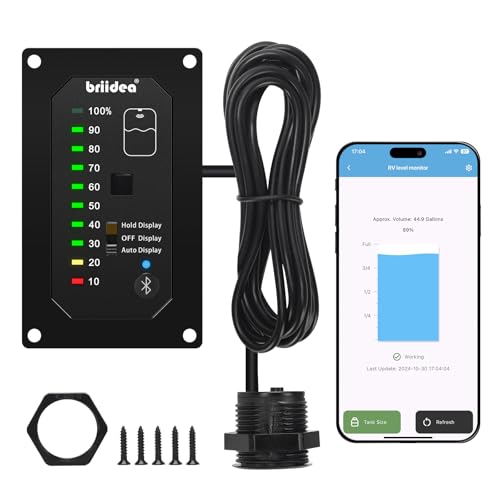
Equipped with Bluetooth, this Briidea monitor lets users view tank levels in real time via a mobile app. It supports automatic sensor activation within proximity and features multiple mode options to balance visibility with energy efficiency. The sensor design emphasizes precise detection by minimizing vapor interference through a protective hydrophobic coating. Real-time alerts can help manage water use and ensure timely refills, especially on longer trips.
UYZO Water Tank Sensors for RecPro Systems

UYZO offers a six-pack of screw-in sensors designed to fit RecPro tank gauge systems. The sensors combine stainless steel and rubber for durability and resistance to corrosion. The vulcanized grommet design helps create a tight seal, while the 3/8” nuts and standard post construction simplify installation. The product emphasizes accurate monitoring of fresh, gray, and black tanks with reliable long-term performance in RV environments.
Homhelar RV Water Tank Probe Sensors (8/Pack)

Homhelar provides an eight-pack of screw-in probes including vulcanized grommets, sensor posts, washers, and nuts. The design focuses on a robust assembly that resists rust and corrosion while delivering dependable readings. The four-part construction supports straightforward assembly, making it suitable for DIY installations on fresh, gray, and black water tanks. Proper installation ensures a tight seal and reliable level indications across tank types.
Buying Guide
Key considerations when selecting an RV water level sensor:
- Tank compatibility: Confirm the sensor supports fresh, gray, and black water tanks and matches your RV’s gauge system.
- Installation method: Screw-in probes with vulcanized grommets offer solid seals; panels provide centralized readouts but may require a dedicated mounting location.
- Material durability: Look for stainless steel and rubber components that resist rust and corrosion in damp RV environments.
- Power and connectivity: Wired 12V systems are simple and reliable; Bluetooth or app-based monitors provide real-time remote readings but may depend on device proximity and battery life.
- Calibration and accuracy: Some sensors require mid-tank placement and dry calibration to minimize readings influenced by water surface or vapor.
- Readout options: LED indicators, panel displays, and smartphone apps offer different levels of visibility and alerting—choose what best suits your travel style.
- Maintenance: Consider grommet integrity and sensor post wear; replace components that show signs of rust or seal degradation to maintain accuracy.
- Bundle value: All-in-one monitor panels simplify installation but may be less flexible if you expand tank configurations in the future.
Multi-perspective considerations:
- Rugged RV use demands corrosion-resistant hardware; look for models with rust-resistant materials and sealed electronics to handle humidity and vibration.
- Accuracy varies with tank material and shape; some readers perform best when sensors are placed at mid-tank and calibrated regularly.
- Maintenance routines differ: screw-in probes require grommet checks, while panels rely on clean sensor connections and consistent power supply.
- App-based systems offer convenience for remote monitoring but ensure the app supports your region and device ecosystem for long-term usability.