Looking for an effective roof-mounted wind turbine to improve ventilation and reduce heat buildup? This guide highlights five top options, explaining who each product is best for and why it stands out. It’s ideal for container owners, builders, and homeowners seeking a durable, maintenance-light venting solution without electrical power. The selection below compares design, material, and suitability to help you pick the right turbine for your space.
| Product | Best For | Why It Stands Out |
|---|---|---|
| 12-Inch Wind Turbines (Container Creations) | Shipping containers needing moisture control | 24 blades, 201 stainless steel durability, precise fit with AdaptAIR adapter |
| Tandefio 12 Inch Wind Turbine (Stainless 201) | Harsh environments and larger container vents | 201 stainless steel, strong airflow, 11.89” tube diameter |
| Lgsixe 12” Wind Turbine | Budget-friendly, weather-resistant ventilation | Galvanized steel, wind-driven efficiency |
| GAF Master Flow 12 in. Wind Turbine | Residential or mixed-roof designs | Internally braced, durable galvanized steel |
| DioOnes Stainless Steel Turbine (11 Inch) | Quiet, rainproof attic ventilation | 304 stainless steel, weatherproof cap, no electrical needed |
12-Inch Wind Turbines for 20′ Shipping Containers
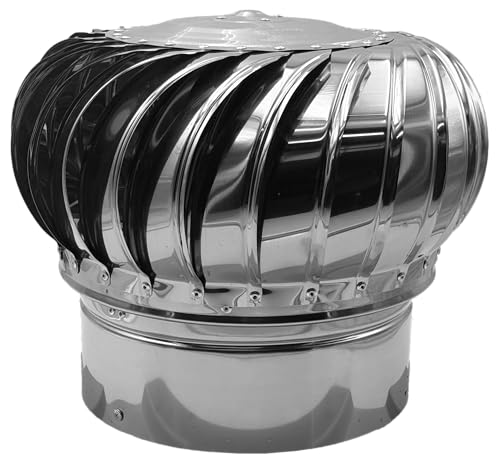
Best for shipping containers needing robust moisture control. This turbine is designed to fit 12-inch vents and works with the AdaptAIR adapter for a sealed, efficient airflow path. Its 24 curved blades improve air movement while limiting rain entry, making it a reliable choice for long-term storage and dry interior environments. The unit features thickened 201 stainless steel to resist rust and corrosion, supporting performance in exposed container roofs. It’s particularly suited for owners who want a durable, low-maintenance vent system and a precise fit with existing AdaptAIR components.
Who it’s for: container facility operators and storage managers who prioritize durable materials, enhanced blade count for airflow, and a compatible adapter system. Potential limitation: the setup relies on an adapter for optimal sealing, so verify compatibility with your existing roof vent hardware.
Tandefio 12 Inch Wind Turbine for Shipping Containers

Best for harsh environments and long-lasting durability. This turbine uses 201 stainless steel throughout, providing corrosion resistance and stability against wind-driven wear. Its approximately 11.89-inch tube diameter and 16.54-inch turbine diameter deliver solid airflow for 12-inch vents, making it a strong choice for shipping containers or weather-exposed sheds. It’s a good pick when you need a rugged solution that remains effective in challenging settings.
Who it’s for: buyers seeking a sturdy, weather-resistant turbine that can withstand outdoor exposure. Caution: dimension checks are recommended to ensure a precise fit with your wall or roof opening.
Lgsixe 12” Wind Turbine Roof Vent Exhaust Fan
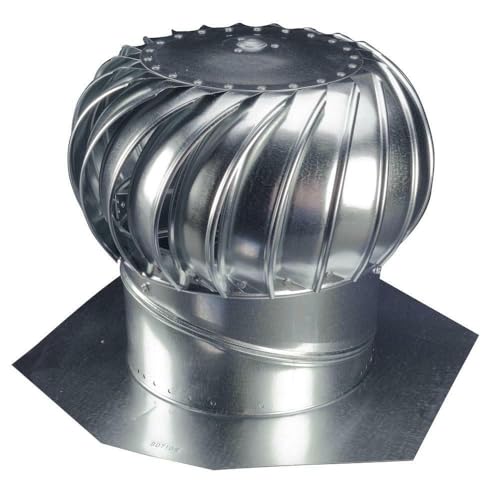
Best for cost-conscious projects needing efficient attic ventilation. The Lgsixe turbine emphasizes galvanised construction to extend service life and support steady airflow without electricity. Its wind-powered operation helps exhaust excessive heat and moisture, contributing to longer-lasting shingles and insulation. This option is suitable for single-family homes or small commercial spaces where a simple, passive ventilation approach is desired.
Who it’s for: homeowners and small business facilities seeking a straightforward, economical venting solution. Limitation: galvanized steel can show wear over time in extremely salty coastal conditions without maintenance.
GAF Master Flow 12 in. Wind Turbine

Best for integrated roof designs needing reliable, durable performance. The GAF Master Flow turbine features galvanized steel for rust resistance and a mill finish for aesthetics that blend with various roof styles. Its internally braced construction improves wind resistance and structural stability, making it suitable for taller or exposed structures. This model is a solid pick when you want a long-lasting, professional-looking option with strong support against environmental forces.
Who it’s for: those prioritizing rust resistance and a stable, high-efficiency turbine for complex roof lines. Caution: internal braces may require periodic inspection to ensure continued airflow efficiency in very high wind conditions.
Tandefio 2 Pack 4 Inch Turbine Vent

Best for small-scale projects or as a spare set for future upgrades. This Tandefio package includes two 4-inch diameter turbines made from 201 stainless steel, delivering corrosion resistance and durable performance in both residential and light commercial settings. The compact size makes it suitable for attic or rooftop spots with limited space. It provides a practical upgrade path for existing ventilation systems that may need additional airflow without large-scale installation.
Who it’s for: those needing extra vents for smaller structures or a cost-effective way to expand passive ventilation. Limitation: smaller diameter means lower airflow compared with 12-inch options.
DioOnes Stainless Steel Turbine Roof Ventilator

Best for quiet operation and rainproof performance. The DioOnes turbine uses premium 304 stainless steel for durability and corrosion resistance, paired with a rainproof cap and wind-driven ventilation. This design enables effective exhaust of hot air, moisture, and odors from attic spaces without electricity. It’s a favorable option for homeowners who prioritize silent performance and weather sealing, especially in wet or windy climates.
Who it’s for: buyers seeking a high-durability, weatherproof turbine with low running costs and quiet operation. Caution: ensure the cap design complements your roof drainage to avoid potential water ingress in heavy storms.
Buying Guide: How to Choose the Right Roof Mount Wind Turbine
- Ventilation need: Choose a turbine diameter and blade count that matches your space size. Larger spaces typically benefit from bigger units with more blades for stronger air movement.
- Material and durability: Stainless steel (201 or 304) or galvanized steel provide different corrosion resistance. Coastal or industrial environments may demand higher-grade stainless steel.
- Roof compatibility: Confirm the turbine’s tube diameter and base fit your roof opening and any adapters or mounting hardware you plan to use. Some systems require dedicated adapters for proper sealing.
- Weather considerations: If you face heavy rain or strong winds, prioritize rainproof caps and internal bracing to maintain performance under adverse conditions.
- Maintenance and longevity: Look for corrosion-resistant construction and simple, tool-free inspection points. Non-powered turbines offer low ongoing costs but require periodic checks for debris and seal integrity.
- Application scope: For containers, prioritize units designed for 12-inch vents and weather-exposed environments. For residences or attics, consider quiet operation and aesthetic integration with roofing.
Frequently Asked Questions
- What is a roof mount wind turbine best used for?
– They provide passive ventilation by exhausting hot air and moisture, reducing heat buildup in attics, roofs, ships containers, and sheds without electricity. - Do all turbines fit standard 12-inch vents?
– Most 12-inch models are designed to fit standard 12-inch roof vents, but verify tube diameter and adapter compatibility for your setup. - Is stainless steel better than galvanized steel for outdoor use?
– Stainless steel offers higher corrosion resistance for harsh environments. Galvanized steel is durable and cost-effective for many climates but may require more maintenance in coastal areas. - Do wind turbines require electricity?
– Passive wind turbines operate without electricity, relying on wind to drive airflow. Some models may include optional powered components, but the ones listed are wind-powered only. - What maintenance do these turbines need?
– Periodic inspection for debris, seal integrity, and rust or corrosion. Clean blades if necessary and check mounting hardware after severe weather.
This article presents five roof-mount wind turbine options chosen for durability, installation practicality, and suitability for container ventilation and attic spaces. Each product is described with its best-use scenario, materials, and potential limitations to help buyers compare quickly and make an informed decision.