Protecting your home’s water quality is essential for health, taste, and overall comfort. This guide highlights five reliable residential water treatment options that address common concerns like sulfur odors, taste issues, storage longevity, and water system maintenance. Each product is summarized with its core strengths, then explored in detail to help you compare features, installation needs, and long-term value. Whether you’re dealing with rotten egg smells, variable taste, or the need to safeguard stored water, these solutions offer practical approaches for everyday use.
Summary of Selected Products
| Product | Brand | Key Benefit |
|---|---|---|
| WELL SAFE Well Sanitizer Kit | WELL SAFE | Disinfection and odor elimination for wells and storage tanks |
| 55 Gallon Water Preserver Concentrate | HGFLMR | Long-term water storage stability for emergencies |
| Aquamira Water Treatment (2 oz.) | Aquamira | Kills odor and improves taste; long shelf life when stored |
| Well Water Sanitizer | Zhizaiql | Removes sulfur odors and iron buildup; improves water flavor |
| STAR BRITE Aqua Water Treatment | STAR BRITE | Prevents foul tasting water in boats, RVs, and similar systems |
WELL SAFE Well Sanitizer Kit Overview
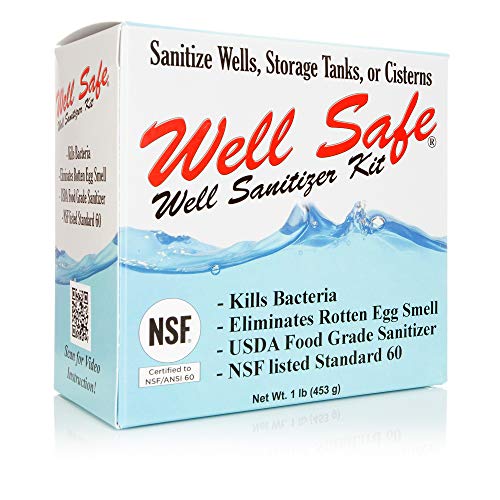
The WELL SAFE Well Sanitizer Kit provides an easy, DIY approach to disinfecting wells, storage tanks, and cisterns. Its simple instructions guide users through dosing, circulation, and flushing to achieve clearer, better-tasting water. The primary benefit is disinfection to remove rotten egg and sulfur odors caused by bacteria, with a cost-effective routine that fits quarterly maintenance. This makes it suitable for homeowners seeking a straightforward, chemical-based solution without a full filtration system.
Key features include a straightforward DIY process, odor control via bacteria kill, and a schedule that supports regular water quality upkeep without expensive services. Pros include ease of use and lower ongoing costs, while cons may involve handling sanitizing chemicals and ensuring proper flush to avoid residual taste. Overall, it offers a practical option for immediate odor reduction and water quality improvement where wells and storage systems are involved.
55 Gallon Water Preserver Concentrate
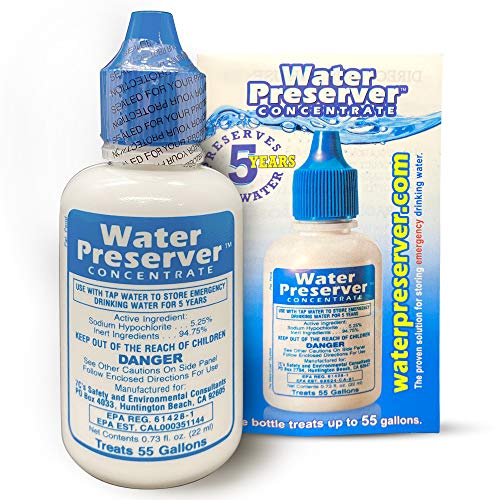
This concentrate is designed for long-term water storage, claiming five-year storage stability and extensive testing over more than a decade. It targets preparedness scenarios such as emergency drinking water and earthquake readiness, offering a formula that helps maintain palatable water quality during extended storage. It’s positioned for homeowners who want a reliable, long-range solution to keep запасed water usable for an extended period without frequent replacement.
In evaluating this product, consider the storage context (indoor vs. outdoor), the maintenance schedule, and compatibility with your existing storage containers. The standout advantage is the unusually long storage life, which can be a compelling choice for emergency planning. Potential drawbacks include handling and the need to follow precise dosing instructions to ensure safety and water appeal over years of storage. Overall, this option emphasizes preparedness and stability for long-term water reserves.
Aquamira Water Treatment (2 oz.)
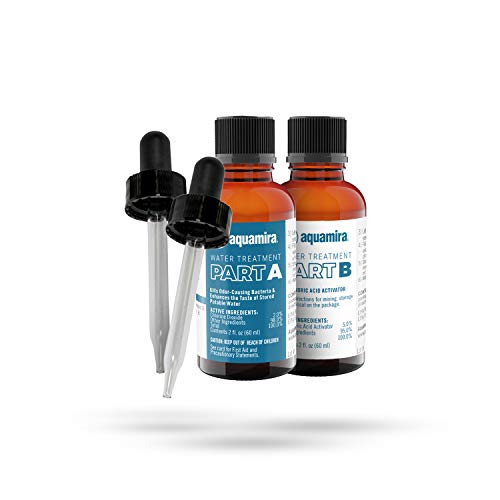
Aquamira Water Treatment offers a compact solution for treating small quantities of stored water with a shelf life of up to five years when sealed. The product emphasizes odor control and taste enhancement, alongside minimizing slime buildup in storage containers. New packaging includes glass bottles and optional droppers for precise dosing, appealing to users who want accurate measurement and minimal plastic exposure. The 4-year shelf life from manufacturing date provides a reasonable window for household storage planning.
Strengths include precision dosing and odor-taste improvements, while limitations focus on volume constraints given the 2 oz. bottles. For households with larger storage, this product is best used as a supplementary treatment or for smaller backup supplies. Overall, Aquamira is a dependable option for maintaining potable water quality during storage cycles where small tap-size treatments are appropriate.
Well Water Sanitizer By Zhizaiql
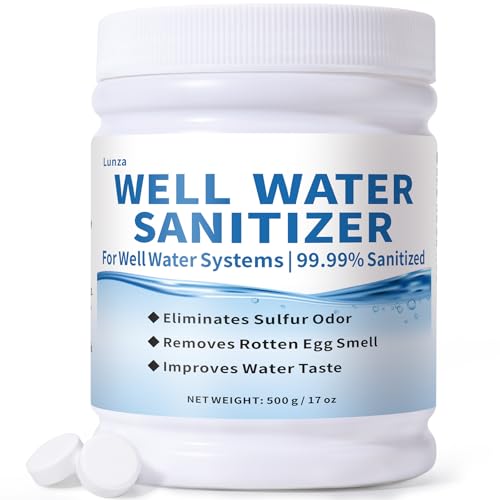
This sanitizer is positioned as a long-term solution for well water systems, focusing on removing sulfur odors and iron buildup while improving taste. The product claims high efficacy with a food-grade formula designed to disinfect and freshen water across the entire well and pipe network. This option is particularly relevant for homeowners facing persistent rotten egg smells or mineral-related taste issues, offering a broader disinfection approach beyond surface-level odor control.
Evaluation notes include its claimed 99.99% sanitization level and emphasis on improving water flavor. Potential considerations involve ensuring compatibility with your well system and following recommended dosing for sustained results. As a long-term option, it is suitable for those seeking a durable solution to recurring odor and buildup problems in well water systems.
STAR BRITE Aqua Water Treatment & Freshener

STAR BRITE AQUA Water Treatment & Freshener aims to maintain high-quality drinking water in boats, RVs, and other potable systems. It helps prevent foul-tasting water and can be used regularly to ensure cleansing and freshness across drinking, bathing, and ice production. Its versatility makes it useful for mobile or compact systems where water quality can degrade quickly due to storage or environmental factors. The product emphasizes consistent taste and odor control, with broad applicability beyond stationary home use.
Consider the intended use environment (mobile vs. fixed), frequency of use, and compatibility with your current water lines and storage practices. Its advantage lies in ongoing quality maintenance for systems where water is consumed rapidly or stored under varying conditions. A potential drawback is the need for routine application to sustain benefits, especially in harsher climates or when water sources fluctuate.
Buying Guide: Key Considerations For Residential Water Treatment Equipment
Selecting the right residential water treatment approach depends on your specific water source, storage practices, and maintenance preferences. The following factors help compare options across well systems, stored water, and household supply lines:
- Water source and issues: Identify whether you’re dealing with well water odors, storage stability, or municipal supply concerns. Odor-control products address rotten egg smells and mineral buildup, while sanitizers target microbial contaminants and overall safety.
- Storage duration and capacity: For emergency preparedness, long-term storage solutions (e.g., 5-year preservatives) are valuable. For daily use, maintainers and mini-treatments offer flexibility without heavy storage commitments.
- Ease of use and maintenance: DIY sanitizers and simple dosing regimens are appealing for hands-on homeowners. More complex filtration systems may require professional installation and regular maintenance schedules.
- Impact on taste and odor: Treatments should focus on removing sulfur odors and improving palatability without leaving harsh chemical aftertastes. Test a small quantity before broader application when possible.
- System compatibility: Ensure the product is suitable for your tank size, piping, and existing filtration components. Some items are best used as supplements to an overall water treatment plan.
- Regulatory and safety considerations: Use food-grade formulations where possible and follow label directions to avoid overuse or unsafe concentrations in drinking water.
- Long-term value: Weigh upfront costs against maintenance intervals and system lifespans to determine overall return on investment for your home.
In sum, effective residential water treatment depends on aligning product capabilities with your water challenges, storage needs, and daily usage patterns. A combination approach—a primary treatment for ongoing quality, plus targeted sanitizers or storage preservatives—can offer comprehensive protection for both well and stored water systems.