For homes with electric radiant flooring, a smart thermostat can optimize comfort, energy use, and floor protection. This guide highlights five top options, covering line and low/line voltage systems, remote access, energy monitoring, and floor-sensing features. Each product section includes a quick overview, key capabilities, and how it fits typical radiant floor setups. The buying guide at the end compares compatibility, installation, and integration to help you choose confidently.
| Product | Brand | Key Benefit |
|---|---|---|
| SunTouch | Floor and air sensing with 7-day scheduling | |
| Mysa | Line-voltage control for baseboards, efficient app | |
| Emerson | Easy DIY install, energy savings, privacy focus | |
| Adaptive features, energy savings, broad compatibility | ||
| HEATIT | 7-day programming with dual sensing in radiant systems |
SunTouch SunStat CommandPlus Thermostat

The SunStat CommandPlus is a touchscreen smart thermostat designed for electric floor heating systems. It includes SmartStart technology that automatically adjusts when the floor warming system turns on to ensure the floor is warm at scheduled times. Its 4.3-inch capacitive display provides a modern user experience, with a thin profile and a portrait orientation for easy viewing in living spaces. Key features include floor and air sensing control, a 7-day programmable schedule, away mode, energy monitoring, and weather display options for proactive comfort management. This model supports remote access for on-the-go adjustments and monitoring of energy use and system status.
Mysa Smart Thermostat LITE
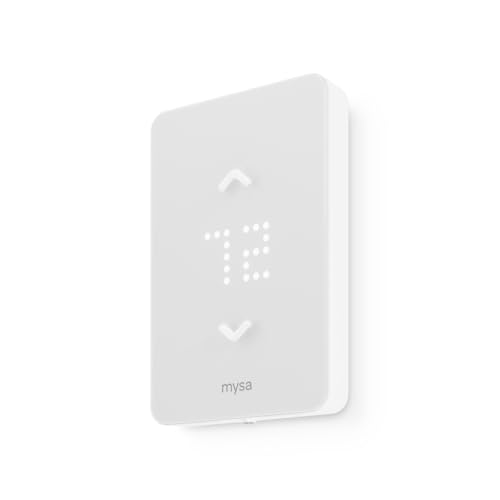
The Mysa Smart Thermostat LITE is built for line-voltage baseboard heaters and other high-voltage electric heating, offering 120V-240V compatibility and straightforward Wi-Fi control. It supports single-pole operation and works with popular voice assistants and smart hubs. The LITE model provides a 100% free app experience, including remote control, scheduling, and runtime reports. It’s designed for easy DIY installation, though wiring requirements are specific to high-voltage systems. This makes it suitable for modernizing electric baseboard setups without a complex retrofit.
Sensi Smart Thermostat ST55
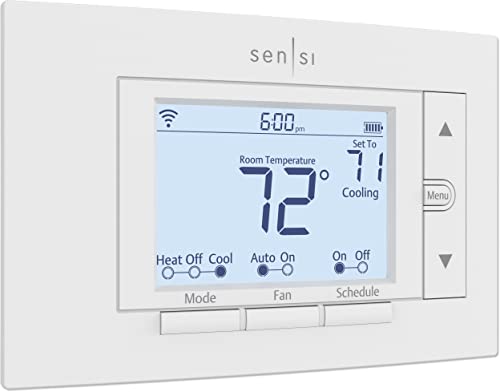
The Sensi Smart Thermostat ST55 emphasizes privacy and easy DIY installation. It fits common HVAC setups and often does not require a C-wire, simplifying retrofits in many homes. As an ENERGY STAR-certified option, it helps reduce energy use through flexible scheduling, remote access, and usage reports. The device is designed to be user-friendly, with a built-in level and guided app instructions to streamline installation in a variety of heating systems, including some radiant applications.
Google Nest Thermostat
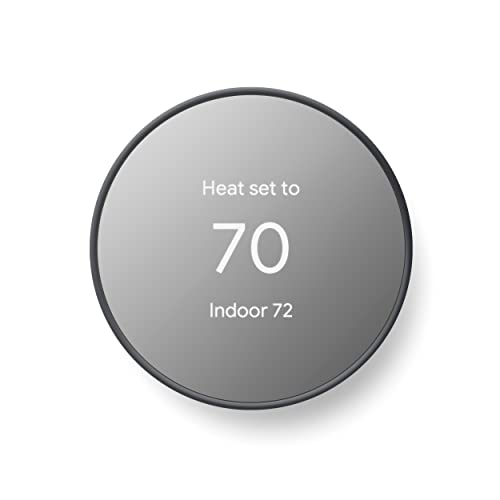
The Nest Thermostat is a widely compatible smart option that emphasizes energy savings and ease of use. It supports Wi-Fi connectivity and can operate without a C-wire in many homes, though certain systems may require power accessories. Nest emphasizes learning-based adjustments, turning down energy use when the home is empty, and compatibility with a broad ecosystem of devices. It provides energy usage insights and remote control via the Google Home app, making it a versatile choice for radiant floor setups tied to larger smart homes.
HEATIT Programmable Thermostat

The HEATIT Programmable Thermostat is designed for electric radiant floor heating with a wide 120V-240V voltage range. It features a touchscreen interface and dual sensing (room and floor), plus a 7-day programmable schedule. This controller is suitable for tile, wood, or laminate floor installations where floor temperature limits protect materials. It integrates with popular voice assistants via the Warmme app for remote monitoring and adjustments, enabling convenient control over radiant heating performance and energy use.
Buying Guide: Key Purchase Considerations
- Voltage compatibility: Electric radiant floor systems vary between line-voltage and low-voltage configurations. Choose a thermostat rated for 120V-240V or the specific voltage of your system (baseboards, convectors, or radiant mats).
- Floor sensing and protection: Look for floor temperature sensing and max floor temperature settings to protect flooring materials (tile, wood, vinyl, etc.). Floor sensing often helps deliver comfortable warmth exactly when needed.
- Programming and scheduling: A robust 7-day or longer program helps tailor daily routines, away modes, and temperature targets to your lifestyle, potentially saving energy and improving comfort.
- Smart home compatibility: Consider compatibility with Apple HomeKit, Google Home, Alexa, or SmartThings, especially if you already use other smart devices for routines and energy management.
- Remote access and energy monitoring: Features like mobile apps, energy use reports, and remote control enable proactive adjustments and visibility into heating patterns.
- Privacy and data handling: Some brands emphasize privacy protections and limited data sharing, which may be important for households prioritizing data security.
- Installation complexity: DIY installation is common for many models, but line-voltage thermostats can involve wiring changes. Review wiring requirements (number of wires, C-wire needs) before purchasing.
- Reliability and support: Consider brand reputation, software update cadence, and availability of customer support if you need assistance with setup or troubleshooting.