If you need a reliable pull line for conduit installations, these five products provide strong tensile strength, clear visibility, and long runs to suit different jobs. This guide helps electricians, contractors, and DIY homeowners choose the best pull line for long pulls, tight spaces, and outdoor use. Each pick includes who it’s best for, why it stands out, and a practical caveat. A quick buying table at the end of the intro summarizes the top features for fast comparison.
Buyer summary table:
| Product | Best For | Key Strength | Length |
|---|---|---|---|
| Ideal 31-348 Powr-Fish | Heavy-duty conduit runs | 210 lb tensile strength | 500 ft |
| ATERET 210 lb Polypropylene Pull Line | Durable, outdoor pulls | 210 lb tensile strength | 500 ft |
| Southwire PL500 | Ready-to-use, tangle-free pulls | 210 lb tensile strength | 500 ft |
| IDEAL Heavy-Duty Pull-Line 6,500 Ft | Long runs in conduit | 210 lb tensile strength | 6,500 ft |
| ATERET PL6501D Bundle | Prepped for large jobs | 210 lb tensile strength | 6,500 ft |
Ideal Electrical 31-348 Powr-Fish Pull Line

Best for heavy-duty conduit runs, this continuous fiber polyline provides 210 lb tensile strength for demanding installations. The white line with a blue tracer offers clear visibility during pulling, reducing the risk of snagging in conduit. Ideal for electricians who regularly pull multiple cables or when longer, tougher runs are needed. The canister-style packaging helps with easy dispensing on job sites.
Who it’s for: professional electricians and contractors tackling long pulls in commercial or residential conduit systems. Why selected: a balance of strength, visibility, and easy feed makes it a reliable default for high-volume pulling tasks. Caution: avoid overloading beyond the stated 210 lb tensile strength to prevent material failure in extreme conditions.
ATERET High-Strength 210 lb Pull Line – 500 ft

This blue-tracer polypropylene pull line is designed for durable pulling, guidance, and rigging tasks. With 210 lb tensile strength and 500 feet in length, it suits mid-to-long conduit pulls where durability and resistance to moisture and UV exposure matter. The line is lightweight for easy handling, even in rooftop or outdoor runs.
Best for: electricians and general contractors who need a sturdy, weather-resistant line for medium-length pulls. Why selected: high tensile strength with good outdoor longevity and a clear continuous length for planning. Caution: check compatibility with your fish tape or pulling system to ensure smooth feeding over long distances.
Southwire PL500 Ligne Poly Line

This 210 lb tensile-strength poly line features an efficient, ready-to-use storage container with tangle-free dispensing. The line is designed for electrical and communication pulls, with clear, readable markings to track progress. It’s a solid choice when you need a reliable, easy-to-handle pull line that minimizes material waste on long runs.
Best for: installers who value organization and quick deployment. Why selected: the tangle-free design and readable markings help technicians stay on schedule. Caution: ensure the container and line length fit your conduit diameter and pull method to avoid feeding issues.
IDEAL Electrical Heavy-Duty Pull-Line – 6,500 Ft
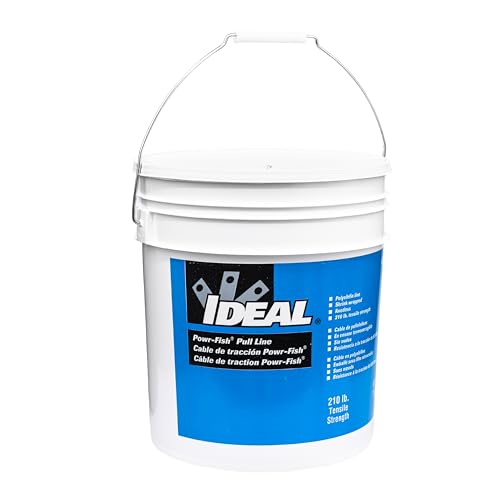
Designed for ultra-long conduit runs, this white pull string with a blue tracer delivers 210 lb tensile strength across a massive 6,500 feet. The long length reduces the need for frequent splices on very long installations, making it ideal for industrial or large-scale residential projects. The white line with blue tracer remains highly visible inside conduit.
Best for: jobs requiring exceptionally long pulls without changing reels frequently. Why selected: the extended length minimizes interruptions on long runs. Caution: manage splices carefully to maintain pull efficiency over thousands of feet.
ATERET PL6501D Poly Pull Line Bundle

This bundle offers a 6,500-foot length with a 210 lb tensile strength, ready-to-use with a pre-punched lid and resealable cap. The blue tracer helps with visibility, and the bucket packaging supports easy storage on job sites. It’s well-suited for large-scale electrical or conduit projects where long pulls are common.
Best for: high-volume projects and crews needing a ready-to-use, long-run solution. Why selected: bundle packaging and long length reduce downtime between pulls. Caution: ensure proper handling to avoid tangling when feeding from a bucket in busy environments.
Buying Guide
What should you look for in a conduit pull line?
- Tensile strength: For conduit pulling, lines are typically rated around 210 lb. Higher strength helps prevent snapping under stress during long pulls.
- Length: Longer lengths reduce the number of splices. Choose 500 ft for standard runs and 6,500 ft for very long runs or industrial projects.
- Visibility: Blue tracers or orange markings can greatly aid identification inside conduit and during pulls.
- Construction: Polypropylene or fiber polyline options offer durability and moisture resistance for indoor and outdoor use.
- Dispensing method: Ready-to-use containers reduce tangling and downtime on site; consider tangle-free options for efficiency.
Which features matter for different job types?
- Residential wiring with short to medium runs: A 500 ft pull line with clear tracer is often sufficient and easier to handle.
- Commercial or industrial projects: Long runs (6,500 ft) and higher reliability reduce the need for frequent reloading and splicing.
- Outdoor or wet environments: Lines with moisture and UV resistance offer longer service life.
- Budget-conscious needs: A simple pull line with good visibility and standard length can cover most typical pulls without extra features.
Practical tips for using pull lines
- Inspect the line before use; look for kinks or fraying that could compromise strength.
- Test a short pull first to confirm track and feed through the conduit system.
- Store lines in dry, cool places to extend life, especially if outdoor storage is common on site.
How to compare products quickly
- Contrast tensile strength, length, and tracer color to determine which line will perform best for your specific conduit job.
- Consider whether a ready-to-use container or bucket will save time during installation.
- Evaluate the practicality of long-run lines in relation to your typical job size and crew workflow.
Frequently asked questions
- What is a good tensile strength for conduit pull lines? Most standard lines use around 210 lb tensile strength for reliable performance in typical jobs.
- Why choose a 6,500 ft pull line? For very long runs, fewer splices save time and reduce handling complexity on busy worksites.
- Should I prefer a line with a blue tracer? A tracer enhances visibility inside conduit and helps track pull progress.
- Are ready-to-use containers necessary? They reduce tangling and make deployment faster, especially on crowded job sites.
- Can pull lines be used outdoors? Yes, when the line is designed with moisture and UV resistance for outdoor exposure.
- What should I avoid when pulling in conduit? Avoid overstretching beyond the line’s rated tensile strength and ensuring compatibility with pulling equipment.