When selecting a pull line for conduit installations, you need a durable, low-stretch line with clear visibility and easy dispensing. This guide highlights top options for electricians, contractors, and DIYers who pull cables through conduit runs. Each product is chosen for different use cases, from heavy-duty industrial pulls to light-duty residential work. The top picks below help you identify which line suits long runs, tough environments, or quick deployments best.
| Product | Best For | Key Benefit |
|---|---|---|
| Ideal 31-348 Powr-Fish | Heavy-duty conduit pulls | 210 lb tensile strength, easy-dispense canister |
| ATERET High-Strength 210 lb (500 ft) | Durable long runs | 500 ft length, UV and moisture resistance |
| Klein Tools 56110 Poly Pull Line | Light-duty to moderate pulls | Orange tracer for easy ID |
| Southwire PL500 Ligne Poly Line | Convenient storage and tangling-free pulls | Ready-to-use container, easy-to-read markings |
| Cajun Tie Downs Pull Line | Code-friendly color-coding pulls | Flat polyester tape, high tensile strength |
Ideal Electrical 31-348 Powr-Fish Pull Line

Best for heavy-duty conduit pulls, this 500-foot fiber polyline supports up to 210 lb tensile strength. It is designed for demanding electrical and communication cable installations. The white line with a blue tracer improves visibility during pulls. Best for professional electricians performing long, hard pulls or installation crews needing reliable line strength and a clear trace throughout conduit runs. Limitation: longer runs may require more than one spool for extended projects.
ATERET High-Strength 210 lb 500ft Poly Pull Line

Choose this for long, durable pulls in challenging environments. The line offers a 210 lb average breaking strength with moisture, mildew, and UV resistance. At 500 feet, it covers substantial runs without frequent re-spooling. Best for electricians and contractors who need a robust line that resists outdoor exposure. Caution: plastic materials may stretch slightly under extreme tension; plan for minor elongation on very long pulls.
Klein Tools 56110 Poly Pull Line

Best for light to moderate pulls, this orange-and-white polypropylene line improves visibility with a high-contrast tracer. Available in multiple lengths, it is well-suited for manual or small power-fishing setups. It offers easier handling and predictable behavior in typical residential or office conduit runs. Limitation: not designed for the heaviest industrial pulls; avoid extended, high-tension applications.
Southwire PL500 Ligne Poly Line

Best for convenient, organized pulls, this line ships in a ready-to-use storage container with markings that simplify measurement during installation. It is designed to minimize tangling and provide straightforward pull tracking for electrical or communication wire. A good choice when reliable, tangle-free dispensing is a priority. Caution: container size may be less portable for tight job sites.
Cajun Tie Downs Pull Line — 1/2 Inch
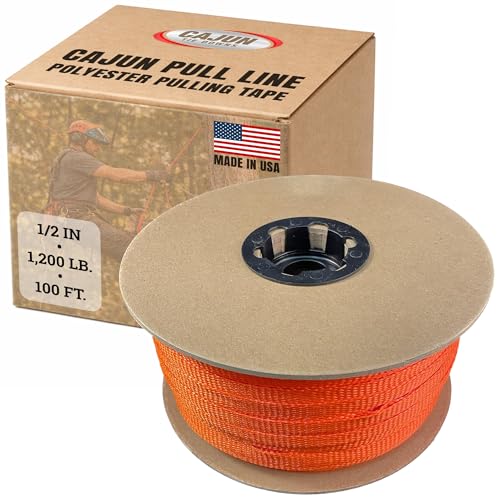
Best for color-coded conduit pulls, this 1/2 inch flat polyester tape is rated for 1,200 lb tensile strength. The flat profile moves easily through bends, making it a strong choice for tight conduit runs. It is manufactured in the USA and ships with neon orange visibility. Limitation: color choices are limited to the provided neon options, which may affect matching with other pull equipment or color-coding schemes.
IDEAL Heavy-Duty Pull-Line 6,500 Ft.
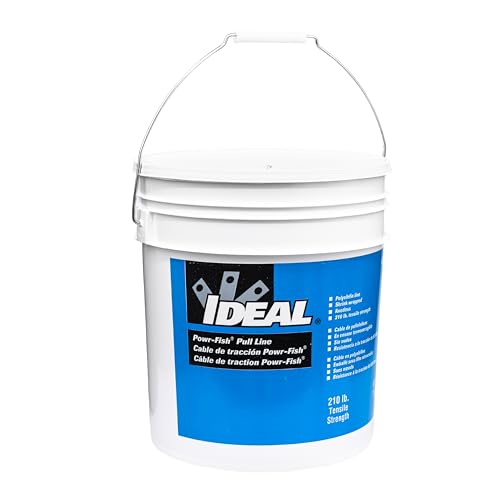
Best for extensive conduit runs, this 6,500-foot line provides long-span coverage for large projects. It features a 210 lb tensile strength with a blue tracer for clear visibility during pulls. Suitable for professional electricians and contractors handling sizeable installations. Caution: the very long length may require careful storage and handling to avoid tangling during deployment.
Buying Guide: Key Considerations For Pull Lines In Conduit
What pull line should you choose for conduit pulling? Consider tensile strength, length, material, and visibility. Polyester and polypropylene lines offer different balances of durability and stretch. A visible tracer helps track the line through conduit bends. For long residential or commercial runs, a longer length reduces the need for frequent re-spooling. If you work in outdoor or humid environments, select moisture and UV-resistant materials. Low-friction coatings or pre-lubricated lines help minimize duct resistance. Always match line strength to the anticipated load of cables and the conduit diameter to avoid snagging or snapping.
How do you choose between flat tape and round line? Flat polyester tapes move more smoothly through bends and offsets, reducing resistance, while round lines can be easier to handle for some installers. For tight conduit runs or frequent offsets, a flat profile is often preferred. In contrast, round lines may be sufficient for shorter, straightforward pulls.
What about line dispensing and storage? Lines with ready-to-use containers or easy-dispense canisters save time on site and reduce tangling. If you deploy lines across multiple jobs, look for lengths that match the typical run distances or the ability to spool into smaller segments without tangling.
Maintenance and longevity considerations include moisture and UV resistance, especially for outdoor or damp locations. Proper storage in cool, dry areas helps extend line life. Consider replacement intervals based on project frequency and exposure conditions to avoid last-minute failures on site.
Quick Comparison At A Glance
- Best for very long runs: IDEAL Heavy-Duty 6,500 Ft (210 lb tensile strength)
- Best for outdoor exposure: ATERET 210 lb, 500 ft with moisture/UV resistance
- Best for easy identification: Klein Tools 56110 with orange tracer
- Best for tangling-free pulls: Southwire PL500 with ready-to-use container
- Best for color-coded conduit work: Cajun Tie Downs Pull Line with neon color
FAQ
- What tensile strength do I need for conduit pulls?
Choose a line with tensile strength equal to or greater than the expected load of your cables. Typical residential pulls use 210 lb lines; heavier industrial pulls may require higher strength. - Should I use flat tape or round pull line for conduit?
Flat tape often performs better in bends and offsets, while round lines are fine for simpler runs. Consider conduit layout and friction. - Is a ready-to-use dispensing container important?
Yes for efficiency and reducing tangles on site, especially in busy jobs or multi-location projects. - How long should pull lines last outdoors?
Look for moisture, mildew, and UV resistance for longer life when exposed to the elements. - When should I replace a pull line?
Replace if there is visible wear, fraying, nicks, or if the line no longer retracts smoothly from the spool.