In homes and small offices, a reliable photoelectric carbon monoxide detector is essential for early CO detection and peace of mind. This guide highlights five solid options that balance ease of use, battery life, and accurate sensing. The best picks suit different buyers: homeowners needing easy plug-in or battery models, renters seeking portable or straightforward installations, and safety-focused households seeking long-life sensors. Below is a quick reference table of the top five products to consider before you buy.
| Product | Best For |
|---|---|
| Kidde Smoke & Carbon Monoxide Detector, AA Battery Powered | Simple setup, battery-powered versatility |
| X-Sense Smoke Detector Carbon Monoxide Alarm Combo, 10-Year Battery (XP0H-SN) | Long-term, low-maintenance protection |
| First Alert CO606 Plug-In Alarm with Battery Backup | Plug-in convenience with backup power |
| Kidde P3010K-CO Worry-Free Kitchen Alarm | Kitchen safety with photoelectric sensor |
| Kidde Carbon Monoxide Detector, Portable AA Battery Powered | Travel and portable safety |
Kidde Smoke & Carbon Monoxide Detector, AA Battery Powered

This 2-in-1 detector alerts to both smoke and carbon monoxide, consolidating safety alerts into a single device. Its 24/7 self-testing components help ensure ongoing operation, though it isn’t a replacement for manual tests. Best for: apartments or rooms needing straightforward, battery-powered protection without wiring. Limitation: self-test indicates internal checks but does not replace a manual test with a test button.
X-Sense 10-Year Battery Combo Alarm XP0H-SN (3-Pack)

This model provides a 10-year sealed battery and combines smoke and CO detection in one unit. It’s UL 217 & UL 2034 certified, offering long-term protection without battery replacements. Best for: households seeking decade-long reliability with minimal maintenance. Better for: larger homes or multiple-room coverage where interconnection isn’t required. Caution: basic standalone unit and does not support wireless interconnection or a base station unless upgrading to a different version.
First Alert CO606 Plug-In Alarm with Battery Backup
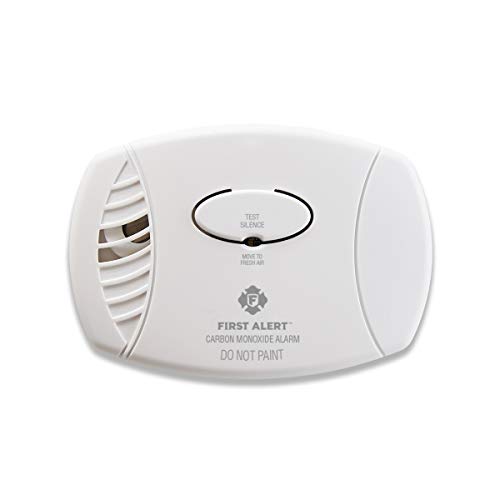
This plug-in CO detector includes a battery backup for continuous monitoring during power outages. It uses an electrochemical sensor for accurate CO detection and includes a simple test/silence button. Best for: rooms with standard outlets where easy installation is a priority. Limitation: primarily a CO detector; if you need integrated smoke sensing, consider a combined unit or another model with dual sensing.
Kidde P3010K-CO Worry-Free Kitchen Photoelectric Alarm

Designed for kitchen environments with a photoelectric sensor, this model combines smoke and CO detection in one device with a sealed 10-year battery. Best for: kitchens or areas where smoke from cooking might trigger false alarms. Choose this if you want reduced nuisance alarms while still covering CO dangers. Caution: not all models include full interconnectivity features; verify if you need wireless linking to other detectors.
Kidde Carbon Monoxide Detector, Portable AA Powered
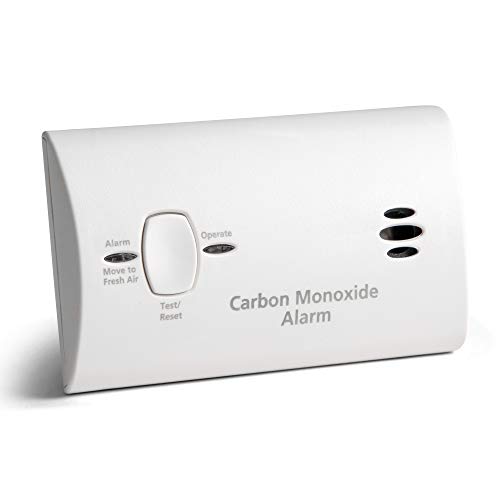
This portable CO detector uses an electrochemical sensor and runs on two AA batteries, making it suitable for travel or temporary placements. Best for: travelers or renters needing a lightweight, battery-operated option without wiring. Limitation: portability means less permanent monitoring coverage; not ideal as a sole long-term detector for fixed locations.
X-Sense 10-Year Battery Combo Alarm with LCD SC07

This standalone unit features a large LCD display for clear readings, with a 10-year sealed battery. It combines smoke and CO detection using a photoelectric sensor and an electrochemical CO sensor. Best for: users who want visible data and long-term power. Avoid this if you need interconnection with other detectors or Wi-Fi features, as basic standalone operation is emphasized.
Buying Guide: Key Purchase Considerations
- Sensor type: Photoelectric sensors excel at detecting smoldering fires with less nuisance smoke alarms, while electrochemical gas sensors are the standard for CO detection. A combination detector is often the best all-around choice.
- Power source: Battery-powered units offer portability and easy installation; plug-in models provide continuous power with backup batteries. Ten-year sealed-battery models reduce maintenance but may require replacement after the service life.
- Interconnection: If you want multiple detectors to sound together, choose models that support wireless interconnection or base stations; single-unit devices are easier to install but won’t coordinate alerts.
- Placement: Place detectors on every sleeping level and near sleeping areas. Do not mount directly above heat sources or in kitchens where smoke from cooking can cause false alarms; kitchen-specific units help mitigate this issue.
- Certification: Look for UL 217 (smoke) and UL 2034 (CO) certifications to ensure compliance with safety standards.
- Maintenance: Regular battery checks or self-tests help ensure functionality. Keep spare batteries on hand if using non-sealed units.
FAQ
- What is the difference between photoelectric and ionization sensors in CO detectors? Answer: Photoelectric sensors detect smoke from slow, smoldering fires, while ionization sensors detect lighter, fast-flaming fires. For home safety, a dual-sensor device can cover both risks.
- Do carbon monoxide detectors require professional installation? Answer: Most residential detectors are designed for simple at-home installation with no professional service necessary, especially plug-in or battery-powered models.
- How long do 10-year battery detectors last? Answer: They are designed to operate for 10 years under normal use and require replacement at the end of their service life.
- Can I interconnect multiple detectors wirelessly? Answer: Yes, many models offer wireless interconnection or base stations to sync alarms across rooms for comprehensive protection.
- What should I do if an alarm sounds? Answer: If CO is suspected, evacuate immediately and call emergency services. If smoke is suspected, leave the building and call emergency services after reaching safety.
- Should I place CO detectors in the kitchen? Answer: For CO, place detectors in living areas and bedrooms; avoid placement directly in kitchens where cooking smoke could cause false alarms. Kitchen-specific alarms are available if combined sensing is needed.