Choosing the right surge protector for a panel box helps guard critical circuits and connected electronics from voltage spikes. This guide compares top panel box surge protectors, highlighting their surge ratings, compatibility, installation considerations, and durability. Each entry draws from common residential and commercial models to help you select a Type 1 or Type 2 SPD for full-house protection. The table below previews five relevant products to consider.
| Product | Brand | Model Type |
|---|---|---|
| Eaton BRNSURGE Type BR Whole-Panel | Eaton | |
| Leviton R2120-B SPD | Leviton | |
| Drizzlen Type BR Whole-Panel | Drizzlen | |
| AQOVOR Type BR Whole-Panel | AQOVOR | |
| Schneider Electric SDSA1175 | Schneider Electric |
Eaton BRNSURGE Type BR Whole-Panel Circuit Breaker SPD
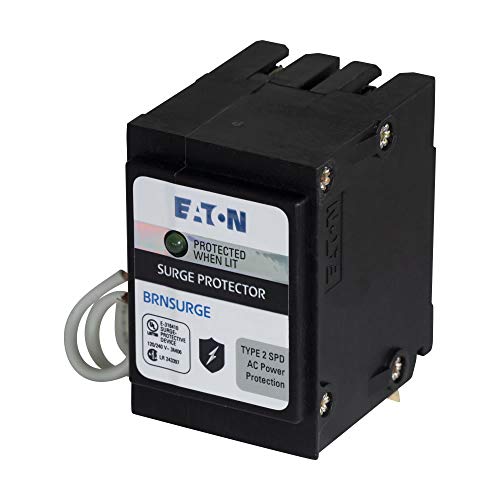
The Eaton BRNSURGE unit is designed for whole-panel protection using 2 branch circuit spaces with an 18 kA surge current rating. It integrates directly into BR load centers, delivering comprehensive defense against voltage transients that affect downstream circuits and devices. Installation emphasis centers on compatibility with BR panels and straightforward integration into existing electrical boxes.
Leviton Type 1 Surge Protective Panel, Residential Home SPD

Leviton’s Type 1 SPD is tailored for residential applications, offering Type 1 protection per NEC guidance. The compact design makes installation easier in tight spaces, and the R Series is specifically crafted to divert surges away from critical electronics while meeting Article 230.67 requirements for dwelling units. It’s suitable for residential panel boxes where robust protection and straightforward mounting are priorities.
Drizzlen Type BR Whole-Panel Circuit Breaker SPD
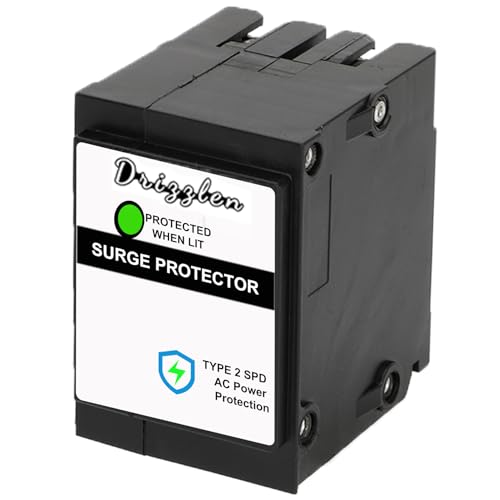
The Drizzlen Type BR Whole-Panel SPD provides 18 kA surge protection per pair of branch spaces, designed for whole-panel integration. This setup reduces the risk of surge damage across a BR load center while maintaining compatibility with standard 120/240V residential systems. It’s positioned as a practical option for upgrading existing panels to enhance overall surge resilience.
AQOVOR Type BR Whole-Panel Circuit Breaker SPD

AQOVOR’s Type BR whole-panel SPD delivers 18 kA per phase with a 3 kA rated discharge current. It protects both L-N and L-L circuits, providing dual-phase protection for 120/240V systems. The unit emphasizes clear status indication and a robust enclosure, aiming to simplify monitoring and maintenance while safeguarding modern home electronics and appliances.
Schneider Electric SDSA1175 Panel Mounted Type 1 SPD

The Square D SDSA1175 provides Type 1 protection suitable for panel-mounted installations. It emphasizes ease of installation and strong durability in a U.S.-made design. This option is well-suited for residential and light commercial panels seeking a trusted Schneider Electric solution with standard surge protection performance.
Buying Guide: Key Purchase Considerations For Panel Box Surge Protectors
- Protection Type and Scope: Decide between Type 1 (service entrance) and Type 2 (branch panel) protection based on your panel location and NEC requirements. Type 1 offers upstream protection, while Type 2 works at the panel level to guard downstream circuits.
- Surge Current Rating: Look for higher surge ratings (kA per phase) for homes with numerous electronics or outdoor equipment. Ratings around 18 kA per phase are common in residential whole-panel devices, providing robust defense against large transients.
- Voltage Range and Compatibility: Confirm compatibility with 120/240V systems and ensure the unit matches your panel’s brand and model. Some devices support both L-N and L-L protection for dual-phase setups.
- Installation And Form Factor: Evaluate enclosure type (Type BR, Type 1, etc.), mounting style, and available space inside the panel. Compact units are easier to install in limited spaces, while robust enclosures offer better durability.
- Efficiency Of Monitoring: Units with status indicators (LEDs) help quickly verify protection is active. This reduces maintenance time and helps identify failed components promptly.
- Compliance And Codes: NEC requirements often mandate SPD installation for certain dwelling configurations. Confirm that the chosen device complies with current codes and is appropriate for your building’s service entry.
- Durability And Environment: For outdoor or damp locations, select enclosures rated for Type 4X or weather resistance. This extends life and maintains protection under challenging conditions.
- Maintenance And Replacement: Consider devices with clear fault indicators and straightforward replacement procedures. Some units allow easy field replacement without full panel rework.
- Cost Of Ownership: While initial cost matters, factor in potential replacement parts, compatibility with existing panels, and long-term protection performance when comparing options.
- Manufacturer Support: Reputable brands with robust documentation, warranty coverage, and local support can simplify installation and future maintenance.