When reliability matters during outages, a non-automatic transfer switch provides a straightforward, manual approach to switching power sources. This guide highlights practical non-automatic options that fit residential setups, focusing on safety, durability, and compatibility. Each product is evaluated for circuit capacity, install versatility, and build quality to help homeowners choose a dependable solution.
| Product | Circuits | Voltage | Power Capacity | Notes |
|---|---|---|---|---|
| Nature’s Generator Transfer Switch 12-Circuits | 12 | 120/240V | 50A | Non-Automatic, indoor |
| Nature’s Generator Transfer Switch 6 Circuits | 6 | 120V | 30A | Non-Automatic, indoor |
| Nature’s Generator Transfer Switch 12-Circuits 120/240V 30A | 12 | 120/240V | 30A | Non-Automatic, power kit |
| GenerLink Automatic Transfer Switch | — | 240V | 40A | Automatic; serves outdoor/meter area |
| Digowers Transfer Switch 50 Amp, 6 Circuit | 6 | 120/240V | 50A | Automatic; includes NEMA 3R/IP55 rating |
Nature’s Generator Transfer Switch 12-Circuits 50A Non-Automatic Indoor

This non-automatic transfer switch kit is built with robust steel construction and supports up to 12 circuits. It accommodates both 240V and 120V configurations, with a 50A CS6375 inlet to manage substantial backup power. Designed for indoor installations, it emphasizes durability and straightforward manual operation during power outages. Its 12-circuit capacity makes it suitable for larger homes or installations with multiple essential loads.
Nature’s Generator Transfer Switch 6 Circuits 120V 30A Non-Automatic Indoor

This 6-circuit non-automatic kit provides flexible mounting options for quick integration into existing setups. It includes all necessary components for seamless manual power transfer and reliable operation at 120V and 30A. The design emphasizes ease of installation and compatibility with compatible portable or standby generators, making it a practical choice for spaces with modest load requirements.
Nature’s Generator Transfer Switch 12-Circuits 120/240V 30A Non-Automatic Kit
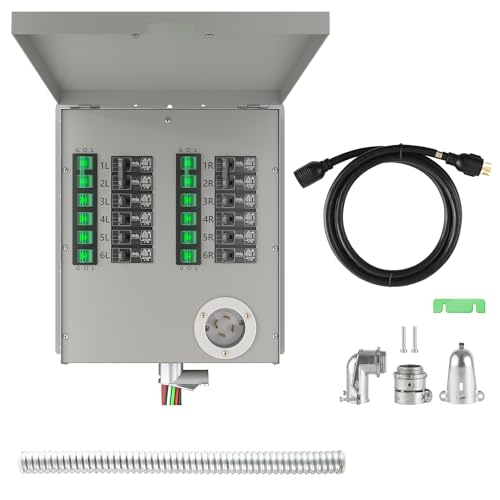
This kit enables up to 12 circuits and is compatible with generators that provide a NEMA L14-30R receptacle, facilitating safe and organized power transfer during outages. The package includes all components required to support multiple circuits, making it a comprehensive option for versatile backup power management without automation.
Digowers Transfer Switch 50 Amp, 6 Circuit
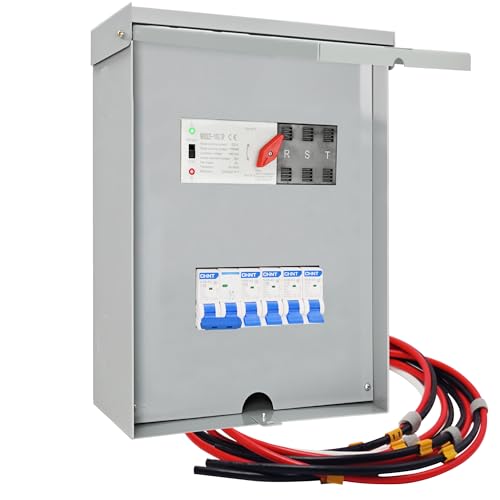
This 50-amp, 6-circuit unit features automatic transfer switching with a robust NEMA 3R/IP55-rated shell for outdoor endurance. It is designed to reliably switch power to a standby generator when mains fail and to revert when power is restored. The weatherproof construction supports outdoor installations and does not require manual rewiring for operation, offering a balance of protection and performance for mixed load configurations.
KUTTOLE 100 Amp Automatic Transfer Switch

This unit focuses on automatic transfer between a primary power source and generator. It is UL listed and built to meet NEMA 3R standards for outdoor use, delivering weather resilience and rapid transfer to preserve critical loads. It supports load management for HVAC and other essential circuits, reducing overload risk in mixed-use homes or small commercial spaces. Although automatic, it remains a key reference within non-automatic transfer switch considerations for overall safety and compatibility.
100 Amp Automatic Transfer Switch for Generators

Designed for single-phase generators, this automatic transfer switch supports seamless power transfer with a robust steel distribution box shell and weather-resistant features. It is compatible with EVO or Nexus controllers and intended for 8–24 kW home standby generators, offering flexible integration within larger residential backup systems. While not non-automatic, it demonstrates the spectrum of transfer switch options available to homeowners evaluating manual versus automatic configurations.
Buying Guide: Non-Automatic Transfer Switches
- Purpose and control: Non-automatic switches provide manual control over power source changes. They are best when gradual, deliberate operation is preferred or required by local codes for critical loads.
- Circuits and capacity: Match the number of circuits to the essential loads you plan to power during an outage. Common residential configurations range from 6 to 12 circuits, with 30A to 50A capacities.
- Voltage compatibility: Ensure the switch supports your generator and panel configurations (120V, 240V, or dual 120/240V).
- Installation and mounting: Indoor units are suitable for basements or utility rooms; outdoor-rated models require weatherproof enclosures and NEMA/IP ratings where applicable.
- Safety standards: Look for UL listing or equivalent certifications, steel construction, and proper grounding provisions to protect personnel and equipment during switching.
- Generator compatibility: Verify receptacle type compatibility (NEMA 14-30R, L14-30R, etc.) and ensure the transfer switch integrates with your existing generator setup.
- Maintenance and accessibility: Consider layout, wire routing, and service accessibility for routine checks and future upgrades.
- Expandability: If you anticipate load growth, select a model that allows circuit or amperage expansion without a full replacement.
- Cost and footprint: Non-automatic switches vary in cost based on circuits, enclosure, and installation complexity. Plan for space behind panels or in utility areas.
For homeowners prioritizing manual control and straightforward installation, non-automatic transfer switches from Nature’s Generator offer robust circuit capacity and practical indoor use. When evaluating options, prioritize compatibility with your generator, electrical panel, and local electrical codes to ensure a safe and reliable setup during outages.