If you’re shopping for a compact wind generator that delivers 12V output, you want models that are reliable, easy to install, and suitable for the environment you plan to use them in. This guide highlights five practical mini wind generators ideal for DIY projects, classrooms, cabins, boats, or off-grid setups. The featured products vary in design—from hobbyist kits to small, weather-ready turbines—so you can pick the best fit for beginners, educators, or seasoned builders. The buyer intent focus is on low-wind start capability, ease of assembly, and durable construction for variable weather.
Summary table of selected products:
| Product | Best For | Key Benefit |
|---|---|---|
| QINIZX Small Wind Turbine | Educational demos and teens/adults | Large 17.5 cm blade diameter for higher wind capture |
| BUBUQD Small Wind Turbine Kit | Multi-purpose small power projects | Low power consumption with stable operation |
| EODSAD Axis Wind Turbine | Boats, gazebos, cabins and homes | Rust and weather resistance with easy DIY installation |
| pofluany 800W Horizontal Turbine | Residential and off-grid setups | Low start wind speed and integrated protection features |
| Tbest Wind Turbine Kit | Education and demonstrations | Compact, classroom-friendly vertical wind turbine kit |
QINIZX Small Wind Turbine Generator

Best for teen and adult learners seeking a hands-on wind-generation experiment. This model uses a DC motor as the generator and features a large 13.5–17.5 cm blade assembly designed to maximize output under strong airflow from a fan or blower. It is not designed to rely on natural wind alone, making it suitable for classroom demonstrations and controlled bench tests. The unit uses a 280 m/DC motor with voltage output dependent on wind energy. Caution: not a toy; keep away from young children during operation.
Why it’s chosen: It clearly demonstrates the conversion of mechanical energy into electricity, offers a tangible way to study voltage and current changes with wind speed, and provides a realistic scale for educational setups. Best for educators or hobbyists who want repeatable results in a controlled environment. Limitation: natural wind alone may not light a load without adequate wind or forced airflow.
BUBUQD 36W/40W 12-24V Wind Turbine
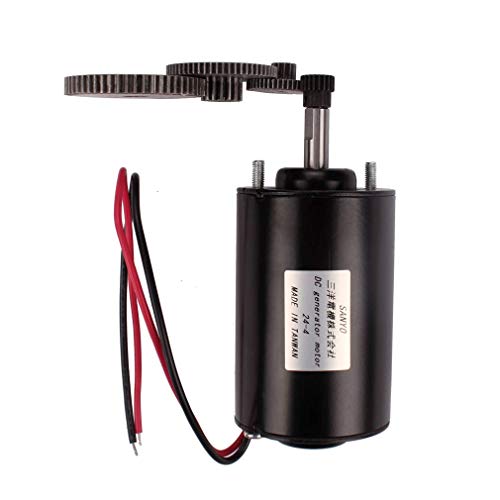
Best for small, multi-purpose projects where low power consumption and stable torque matter. This turbine is described as having low noise, compact size, and the ability to handle overloads without burning the coil. It’s suitable for experiments in electricity generation, automation models, and demonstrations in labs or classrooms. Best for projects that require a simple, robust generator that can run at modest loads.
Why it’s chosen: Its durability and low-noise operation make it a practical choice for ongoing demonstrations and small devices. It’s better for learners who want a straightforward wind-to-electric conversion without complex setup. Limitation: not a high-output unit; best used for educational projects or small mechanical loads.
EODSAD Axis Wind Turbine with Controller
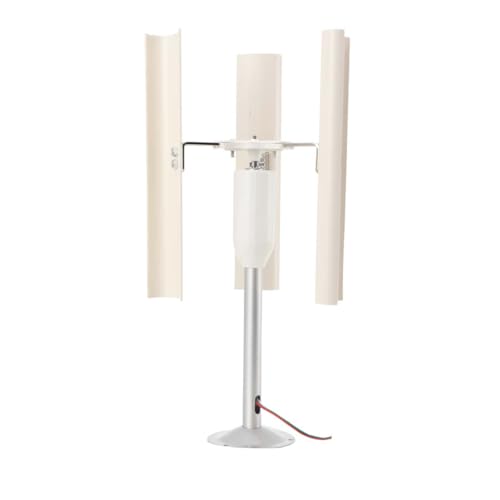
Best for boats, gazebos, cabins, and off-grid installations. This 3-blade axis turbine is designed for stability and easier mounting in diverse settings. The included controller helps manage output for various loads, and the housing is engineered for rust and moisture resistance with reliable wind performance. Best for users who need a weather-ready turbine that can be installed in semi-permanent outdoor locations.
Why it’s chosen: It combines rugged construction with straightforward DIY installation, which makes it suitable for remote or semi-outdoor installations. Limitation: the product description notes some limitations in instruction availability; video support is available on request.
pofluany 800W Horizontal Wind Turbine

Best for home, yard, RV, and off-grid use in moderate-wind areas. This 800W turbine starts generating at about 1.0 m/s wind, which helps maximize daily output in residential settings. It features a three-phase AC disk generator, dual bearings, and six-blade aerodynamics for stable rotation and quieter operation. Built to withstand harsh weather with a waterproof housing and corrosion resistance. It also includes safety features like protection and lightning resilience.
Why it’s chosen: The low-wind-start capability and durability make it a strong option for reliable, small-scale power in variable climates. Limitation: ensure you have a suitable mounting structure and electrical setup to handle 12V–24V output and the integrated controller.
Tbest Wind Turbine Kit

Best for classroom education and STEM projects. This kit emphasizes a compact vertical wind turbine design suitable for demonstrations and simple experiments. It’s an ideal starter for students or hobbyists seeking a hands-on way to study wind energy conversion. The kit supports basic understanding of how angle, wind speed, and blade design influence output.
Why it’s chosen: It offers a compact, easy-to-handle option for teaching concepts without requiring complex construction. Limitation: may not deliver strong output in very low wind or indoors without additional airflow.
Buying Guide: Key Purchase Considerations for 12V Mini Wind Generators
- Wind start speed: Look for models that begin generating at lower wind speeds if your site has modest breezes. This improves daily energy capture in residential or rural settings.
- Output compatibility: Confirm that the turbine’s voltage range matches your load or battery system (12V is common for off-grid kits).
- Durability and weather resistance: Outdoor turbines should resist moisture, corrosion, and temperature swings. Check blade materials and housing protection.
- Installation ease: DIY-friendly designs with clear mounting points and available controllers help ensure reliable operation.
- Noise profile: For residential areas, lower noise levels are preferable. Aerodynamic blade design often reduces vibration and sound.
- Maintenance needs: Favor models with simple maintenance and accessible components for long-term deployment.
Frequently Asked Questions
- What is a 12V mini wind generator best used for?
They are suitable for small off-grid projects, classroom demonstrations, and hobbyist experiments where controlled airflow is available.
- Do these turbines work with natural wind only?
Many mini models require stronger wind or forced airflow to reach usable power; others are designed for low-wind start, but performance varies with wind conditions.
- Is a controller necessary?
Yes, a controller helps regulate voltage and protects batteries or loads from overcharging or excessive current.
- Can I install these indoors?
Some kits are designed for educational demonstration and indoor airflow; most outdoor units require proper mounting and weather protection.
- What maintenance is typical for mini wind turbines?
Regular inspection of blades, bearings, and electrical connections, plus cleaning of dust or debris to maintain efficiency.