Micro hydro power generators offer a compact, resilient source of electricity for cabins, camps, and remote installations. This guide highlights five reliable options, spanning low-voltage micro devices to higher-capacity units. Each product is described with its key specs and practical use cases to help you compare performance, efficiency, and installation needs. Use the buying guide at the end to weigh factors like head, flow, durability, and maintenance when selecting a micro hydro solution for your site.
Summary of Selected Products
| Product | Brand | Typical Output | Key Benefit |
|---|---|---|---|
| Beduan Micro Water Turbine Generator 12V | Beduan | 12V DC | Compact option for small loads and DIY projects |
| 500W Mini Hydro Generator | DRRSBRP | Up to 500W | High power with rugged alloy construction |
| Hydroelectric Micro Generator 12V | Wonofa | 12V DC | Durable, UV/water resistant housing |
| Beduan 24V Micro Hydro Generator | Beduan | 24V AC | Higher voltage for efficient charging and balancing |
| BQLZR Small Portable Micro-hydro Generator | BQLZR | 12V DC (3.5W) | Very compact, suitable for lightweight setups |
Beduan Micro Water Turbine Generator — 12V
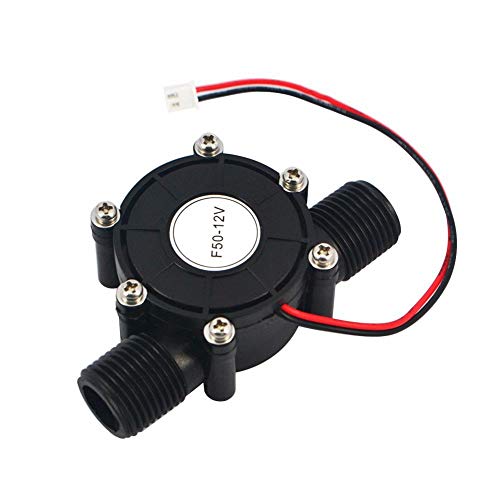
The Beduan 12V micro turbine is designed for small-scale energy output and straightforward charging tasks. Its specifications indicate a 12V DC output with a maximum outlet pressure tolerance of 1.2 MPa and reported mechanical noise under 55 dB. With a generator life of at least 3,000 hours, this unit can power basic applications such as radios, LED lighting (up to 10W), and other modest DC loads. The compact form factor makes it suitable for DIY projects near streams or ponds where space is limited.
Key factors for use include the available water head and flow, as well as the reliability of supplied converting electronics. This model emphasizes a balance between durability and easy integration into a micro-grid setup, particularly for off-grid campsites or workshops. Keep in mind that the maximum charge current is noted at 220 mA, which helps determine expected charging rates for small batteries or auxiliary storage systems.
500W Mini Hydro Generator — 110V Turbine

This DRRSBRP unit delivers higher output suitable for more demanding off-grid needs. Constructed from aluminum alloy, it presents a robust housing with wear resistance aimed at long service life. The generator uses a pure copper coil, a design choice that improves electrical conductivity and reduces resistance for better power generation efficiency. With a 0.5 gal/s water flow specification, the system targets consistent output in environments where water flow is steady but not extremely high. The device’s versatility is highlighted by its ability to operate with vertical head ranges in the 49–98 ft zone, broadening the potential installation sites from hillsides to riverbanks.
Considerations for deployment include ensuring a stable water source and appropriate intake/outlet plumbing. The 500W capacity supports lighting, charging, and small appliances, yet installation should accommodate mounting, piping, and potential weather exposure. This model is well-suited for remote cabins or shelters requiring dependable daytime power with the possibility of battery storage to bridge gaps at night.
Hydroelectric Micro Generator 12V — Portable

The Wonofa micro hydro generator is designed for portability and durability in adverse conditions. It emphasizes high UV and water resistance, extending life in outdoor installations. The device claims a generator life exceeding 3,000 hours and a robust exterior to prevent corrosion. Applicability includes powering small electronic devices, charging portable batteries, and running LED lights in remote locations. The compact, integrated design supports quick deployment in streams or small canals where a stable micro-head exists.
Given its size, this unit is best for low-to-moderate power needs rather than large-scale energy. It serves as a practical option for hikers, campers, or tiny off-grid cabins seeking a simple, reliable energy supplement. As with all micro-hydro systems, the actual output depends on flow, head, and the efficiency of the power management system connected downstream.
Beduan Micro Water Turbine Generator — 24V

This Beduan model expands to 24V AC output, enabling higher charging efficiency for batteries or storage systems compared to 12V options. The unit maintains the same 1.2 MPa maximum pressure tolerance and sub-55 dB operation range, aligning with the company’s emphasis on quiet, manageable power generation. With a generator life expectation of 3,000 hours and the ability to power radios, LED lighting, and other modest loads, the 24V variant is a compelling choice for users with a small storage system seeking faster charging or longer run times from a given water source.
Practical considerations include the suitability of your water head and flow to reach optimal 24V charging. Installers should plan for compatible rectification or inverter components if the downstream system requires AC power or specific DC voltages beyond 24V. The compact footprint helps in tight spaces such as hillside cabins or enclosed outbuildings.
BQLZR Small Portable Micro-hydro Generator

The BQLZR device is a highly compact micro-hydro generator rated around 3.5 watts, delivering 12V DC at full flow. Its small size makes it ideal for lightweight setups, portable experiments, or emergency backup kits where space is at a premium. The product description notes low flow loss and efficient operation under modest water pressures. While it does not generate large power, it provides a tangible energy boost in the right conditions, especially for charging small devices or maintaining essential electronics during outdoor activities.
When choosing this model, factor in creek or river head and the minimum flow rate required to sustain any meaningful output. The device is best paired with energy storage to maximize its usefulness during intermittent water supply and to buffer generation against fluctuating river conditions.
Buying Guide: Key Considerations for Micro Hydro Generators
- Head and flow: The most critical variables are water head (vertical drop) and flow rate. Higher head and steadier flow yield more power. Match your site’s natural resources to the turbine’s efficiency curve and the generator’s rated capacity.
- Voltage and charging needs: Micro units commonly output 12V or 24V DC. Higher voltage systems reduce line losses over longer runs and are easier to charge larger batteries or keep multiple devices topped up.
- Durability and materials: Aluminum housings, copper windings, and corrosion-resistant components extend life in outdoor conditions. Look for UV resistance and sealed connections to minimize maintenance in harsh environments.
- Noise and vibration: A quiet operation range (under 55 dB for several models) helps maintain a peaceful campsite or cabin environment and reduces wildlife disturbance around water sources.
- Installation and maintenance: Consider the availability of adapters, fittings, and plumbing, as well as ease of maintenance. Some units are plug-and-play, while others require custom mounting and piping.
- Charge management: Pair the generator with suitable charge controllers, inverters, or battery storage to manage fluctuations in generation and protect sensitive electronics.
- Portability vs. capacity: Lightweight, compact units suit portable setups, while higher-capacity generators are best for longer outages or larger loads but require more substantial plumbing and mounting considerations.
- Durability under varying water conditions: If your source experiences seasonal variation, choose a generator with a wide operating range and robust seals to handle debris and sediment in water.
- Maintenance schedule: Regular inspection of seals, bearings, and cables helps prevent failures. Some models offer longer service intervals due to design choices like low-friction bearings or sealed housings.
In selecting a micro hydro generator, assess your water source, energy needs, and installation constraints. A modular approach—starting with a small 12V system for essential loads and expanding to higher capacity units as flow or demand grows—can provide a flexible, resilient power solution for off-grid living.