If you need hot water without taking up wall or cabinet space, a low profile or compact point-of-use heater can be the right choice. These units are designed to fit under sinks, in tight closets, or in RVs while delivering reliable hot water for basic needs. The following five models are selected for space efficiency, ease of installation, and practical hot water delivery for apartments, small homes, and mobile use. Best for: small households, limited cabinetry, under-sink setups, vacation homes, and RVs.
Summary table of selected products:
- ThermoMate 18 Gallon Point of Use: Best for kitchens and bathrooms with extra shower time; adjustable thermostat.
- GE Appliances 18 Gallon Lowboy: Best for small homes needing a wider installation fit and easy replacement.
- GE Appliances 10 Gallon Plug-and-Play: Best for tight spaces with simple 120V setup.
- VEVOR 12 Gallon Tank Water Heater: Best for studio apartments needing more storage and safety features.
- KENUOS Under Sink 2.5 Gallon: Best for ultra-compact RVs or tight under-sink points with digital controls.
ThermoMate 18 Gallon Point Of Use Heater

Brand: Thermomate
Key features: 18 gallons point-of-use storage, 125°F factory setting, adjustable 90°F to 150°F via built-in thermostat, 25.5-inch low profile, 120V hard-wired, INCOLOY-800 heating element for better corrosion resistance and energy efficiency. Suitable for kitchens, bathrooms, RVs, cabins, and shops.
Best for: Small households or spaces that need reliable hot water for sinks, dishwashing, and light showers with a compact footprint.
Limitations: Slightly taller than ultra-short under-sink models; installation may require dedicated space near electrical access.
VEVOR 10 Gallon Electric Water Heater

Brand: VEVOR
Key features: 10-gallon capacity, 1600W high power, LED display with knob control, IPX4 waterproof, on-demand heating capabilities, enamel coating for safety and durability. Designed for showers, dishwashing, and laundry in small households.
Best for: Families or couples needing steady hot water in compact homes or apartments with straightforward 120V hookup.
Limitations: The 10-gallon size may run out during high hot-water demand; consider multiple points of use or a slightly larger unit if you have heavy usage.
GE Appliances 18 Gallon Lowboy Electric Water Heater

Brand: GE
Key features: 18 gallons, adjustable thermostat, drain valve, side port lowboy design to fit within tight vertical spaces; straightforward setup to replace older units.
Best for: Households needing compact height to fit under cabinets or counter spaces while still furnishing hot water for a family.
Limitations: Replacement compatibility varies by existing connections; ensure your plumbing matches standard configurations before purchase.
GE Appliances 10 Gallon Plug & Play Electric
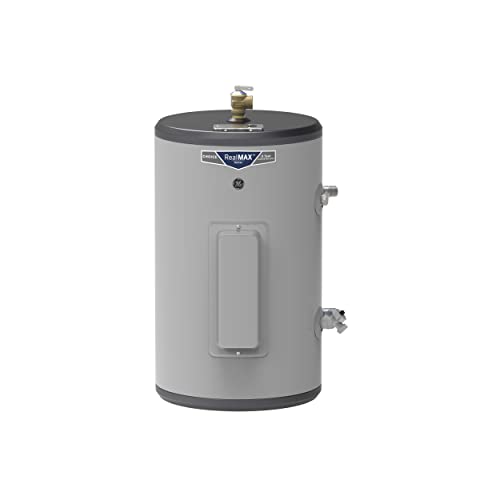
Brand: GE
Key features: 10 gallons, 120V plug-and-play setup, compact design ideal for kitchens, bathrooms, RVs, and small spaces; supports standard 3/4-in NPT connections.
Best for: Renters or homeowners seeking an easy, do-it-yourself installation with minimal electrical work.
Limitations: May provide less hot water during peak usage; plan for moderate consumption and consider parallel heaters for higher demand.
KENUOS Under Sink 2.5 Gallon Mini Heater

Brand: KENUOS
Key features: 2.5 gallon capacity, 86°F to 150°F color-adjustable thermostat, digital display, 110V operation, CPC-free polyurethane insulation, independent pressure relief valve, compact under-sink footprint.
Best for: RVs, small apartments, or under-sink point-of-use needs where space is extremely limited.
Limitations: Small tank means limited hot water per use; ideal for brief tasks or supplemental heating.
Buying Guide: Key Considerations For Low Profile Heaters
What space and installation constraints matter?
Measure cabinet height, under-sink clearance, and wall space. Look for models with 18 inches or less in height if you must clear cabinet doors or shelves. Check electrical access and plumbing connections to ensure compatibility with standard 120V lines and NPT fittings.
What capacity should you choose?
Choose 2.5–5 gallons for under-sink or RV usage; 10–18 gallons for compact apartments or small homes with modest hot-water needs. Higher capacities reduce the risk of running out quickly but require more installation space and potentially more energy usage.
What safety features are important?
Look for enamel-coated interiors, IPX ratings for moisture exposure, dry-heat protection, overflow controls, and a reliable thermostat (adjustable range). A built-in pressure relief valve is also important for safety in smaller systems.
What efficiency and durability indicators help?
Inco‑loy heating elements, good insulation thickness (20 mm or more), and corrosion-resistant linings extend life and reduce standby heat loss. Consider units with compact yet robust designs that minimize heat loss while fitting your space.
How do you compare models effectively?
Compare capacity, height, electrical requirements, and installed location. Favor low-profile designs with a small footprint, straightforward installation, and clear adjustment controls. For RVs and boats, ensure high-altitude and remote operation compatibility if you travel frequently.
Additional tips for choosing a model
- For apartments with tight closets, prioritize 12–18 inch height and plug-in options to avoid rewiring.
- In RVs, select tankless or compact models designed for mobile use and low water pressure compatibility.
- Consider future needs; a slightly larger unit may save on replacements if you anticipate growing hot-water demand.
FAQ
- What is a low-profile water heater?
A compact unit designed to fit in tight spaces, such as under sinks or in cabinets, while providing reliable hot water.
- Can these units be used in an RV?
Yes, several models are designed for RVs and small travel setups with space-saving designs and appropriate safety features.
- Do low-profile heaters require professional installation?
Some models are plug-and-play 120V, but many installations may benefit from a licensed plumber or electrician, especially for electrical connections and venting.
- What happens if I run out of hot water quickly?
Consider a larger capacity unit or multiple point-of-use heaters at several fixtures to balance demand and improve availability.
- Are these heaters energy efficient?
Efficiency depends on insulation, element design, and usage. Look for units with good insulation and corrosion-resistant elements to minimize standby heat loss.