If you’re shopping for a reliable hot water tank, you’ll want options that balance energy efficiency, capacity, and installation needs. This guide highlights five fuels-agnostic tanks well-suited for American homes, including solar-ready models and dependable electric tanks. The top picks cater to different buyers: homes prioritizing solar integration, households needing generous storage, and spaces where point-of-use solutions are ideal. Below, you’ll find quick-reference product summaries, followed by a detailed buying guide and a short FAQ.
| Product | Best For | Capacity | Key Benefit |
|---|---|---|---|
| 300 Liter SUS304 Passive Duda Solar Water Heater | Solar-ready homes | ~79 gallons | Evacuated tubes with corrosion-resistant shell |
| Stiebel Eltron SBB 300 Plus | Geothermal or solar hybrids | 80.6 gallons | Dual heat exchangers for efficient transfer |
| CAMPLUX ME100B Tank Water Heater | Small spaces | 10 gallons | Compact, adjustable thermostat |
| VEVOR 18-Gallon Electric Water Heater | Family setups needing steady supply | 18 gallons | LED display and 1600W heating |
| ThermoMate 18-Gallon Electric | Booster or point-of-use | 18 gallons | Low-profile, independent installation |
300 Liter SUS304 Passive Duda Solar Water Heater

The Duda Solar system is a passive solar water heater designed for domestic use with a pressurized tank. It features a 304 stainless steel outer shell and stand, and 14mm TU1 copper heat pipes for efficient heat transfer. The unit is winter resistant and uses vacuum tubes for improved solar absorption. Best for homes seeking solar-assisted hot water with a robust, corrosion-resistant shell. Cautions: ensure compatible plumbing and local solar incentives are in place before purchase.
Stiebel Eltron SBB 300 Plus Domestic Dual Heat Exchanger

This dual heat exchanger tank offers a durable heavy-gauge steel build with porcelain enamel coating. It’s designed for solar or geothermal integration, delivering long service life with flexible heat-exchanger options. Best for homes exploring hybrid solar/geothermal setups or those needing a robust, high-capacity storage solution. Limitation: the product description emphasizes dual exchangers but does not specify exact configurations for all installations.
CAMPLUX ME100B 10-Gallon Point of Use Tank Water Heater

Camplux ME100B provides a compact 10-gallon storage solution with adjustable thermostat for versatile hot water at the point of use. It’s designed to fit under counters or tight spaces, making it ideal for kitchens or small bathrooms. Best for apartments or cabins needing immediate hot water without running long pipes. Caution: capacity is limited for multi-user households or simultaneous multi-fixture use.
VEVOR 18-Gallon Electric Water Heater
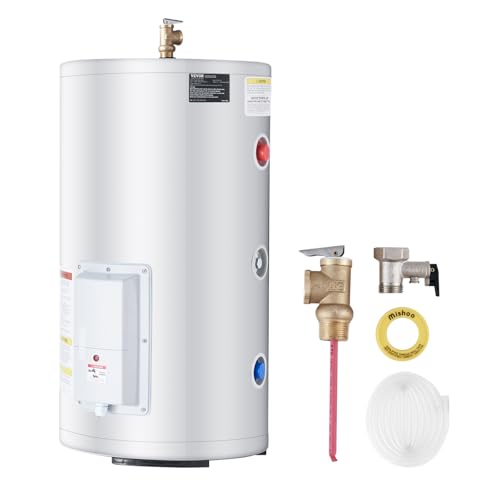
The VEVOR 18-gallon unit offers a larger storage option with 1600W heating, an enamel coating for safety, and an LED display. It’s suited for households needing steady hot water across multiple fixtures. Best for small families or guest suites. Limitation: as a storage heater, it may not heat as quickly as point-of-use models during peak demand.
ThermoMate 18-Gallon Electric Tank Water Heater

ThermoMate’s 18-gallon unit is a compact, low-profile option with an INCOLOY-800 heating element for corrosion resistance and efficiency. It’s a good fit for booster or standalone use in kitchens, bathrooms, or RV setups. Best for spaces requiring a small, energy-conscious tank. Caution: ensure the 120V supply is adequate for consistent heating at higher temperature settings.
Buying Guide
What should you consider when choosing a hot water tank?
- Capacity and usage: How many people and fixtures will the heater serve? Larger homes benefit from 80–100+ gallon tanks, while apartments may do well with 10–18 gallon options or point-of-use models.
- Fuel source: Solar-ready versus electric only. Solar or hybrid systems save energy but require compatible plumbing and climate considerations.
- Space and installation: Point-of-use units save space but may require multiple units for whole-home use. Wall-mounted or compact designs fit tight spaces.
- Efficiency and insulation: Look for high-quality insulation and corrosion-resistant inner materials to reduce standby heat loss.
- Safety features: Temperature and pressure relief valves, overheat protection, and proper venting are essential for safe operation.
- Maintenance and serviceability: Access to parts and local service availability can influence long-term cost and reliability.
FAQ
- What is the advantage of a solar water heater?
- How much space does a typical 80-gallon tank require?
- Can an electric water heater pair with a solar system?
- What is the typical life expectancy of a stainless steel tank?
- Do I need a professional to install a heat exchanger or a new tank?
- How can I determine the right capacity for my home?
Practical tips: For solar tanks, verify compatibility with your climate and roof setup. For electric models, check installation space, venting needs (where applicable), and accessibility for routine maintenance. The right choice balances capacity, energy use, and space with your household pattern of hot water demand.