Choosing the right explosion proof junction box is essential for safeguarding electrical systems in hazardous or outdoor settings. This guide highlights five high-performing options and explains how to compare features like enclosure material, ingress protection, mounting, and compliance. Each product below is evaluated for reliability, durability, and suitability across industrial, marine, and outdoor applications.
| Product | Brand | Key Features |
|---|---|---|
| GRSS-3 Iron Explosion Proof Junction Box | Killark | 1″ hubs, compliance with NA and IEC standards, proven low-cost solution |
| MJ-Box 12 x 12 x 8 SS Explosion Proof Box | Generic | 304 stainless steel, IP66, NEMA 4X, CE/ISO certifications |
| MJ-Box 12 x 10 x 6 SS Explosion Proof Box | Generic | 304 stainless steel, IP66, NEMA 4X, robust enclosure |
| PXFOCOYD Push Button Explosion-Proof Box | PXFOCOYD | IP67, rugged cast aluminum, marine-ready, compact dimensions |
| Joinfworld Lockable Weatherproof Box | Joinfworld | Stainless steel latches, DIN rail included, NEMA 4 weatherproof |
Killark GRSS-3 Iron Explosion Proof Junction Box

The Killark GRSS-3 is a rugged iron junction box designed for hazardous locations. It supports multiple hub configurations and adheres to both North American and IEC standards, offering versatility for facilities that require cross-border compliance. The enclosure emphasizes safety and reliability, aligning with typical industrial expectations for explosion proof control environments. Its low-cost positioning makes it an attractive option for facilities prioritizing safety without significantly increasing project budgets. The product’s design focuses on secure cable entry and durable construction suited for harsh environments.
MJ-Box 12 x 12 x 8 Stainless Steel Explosion Proof Box

This MJ-Box model uses 304 stainless steel to deliver corrosion resistance and long-term durability in coastal, chemical, or dusty environments. With IP66 sealing and a NEMA 4X rating, it offers robust protection against water, dust, and other contaminants. The enclosure’s dimensions provide ample space for electrical components while maintaining a compact footprint. Certifications such as CE and ISO standards further support its suitability for regulated installations. The rugged door and body thickness align with industry expectations for dependable outdoor or indoor use.
MJ-Box 12 x 10 x 6 Stainless Steel Explosion Proof Box
This MJ-Box variant offers a slightly different footprint, optimizing space while preserving critical explosion proof features. With a 12 x 10 x 6 inch interior and 14-gauge body and door construction, it balances strength and weight for ease of installation. The enclosure remains IP66 rated and NEMA 4X compliant, making it suitable for outdoor installations, washdowns, and environments requiring high ingress protection. Like its larger sibling, it carries CE and ISO certifications to support global deployment of electrical systems in hazardous areas.
PXFOCOYD Push Button Switch Box Explosion-Proof

The PXFOCOYD enclosure emphasizes waterproofing, dust protection, and anti-corrosion properties. Constructed from high-quality plastic with durable hardware, it provides a versatile housing for push-button switches and related electronics. The box is designed for uncomplicated installation and broad applicability across industrial, automotive, and marine electrical equipment. Its IP67 rating ensures reliable performance in wet or submerged scenarios, while the compact dimensions facilitate installation in tight spaces near machinery or control panels.
Joinfworld Lockable Outdoor Weatherproof Box
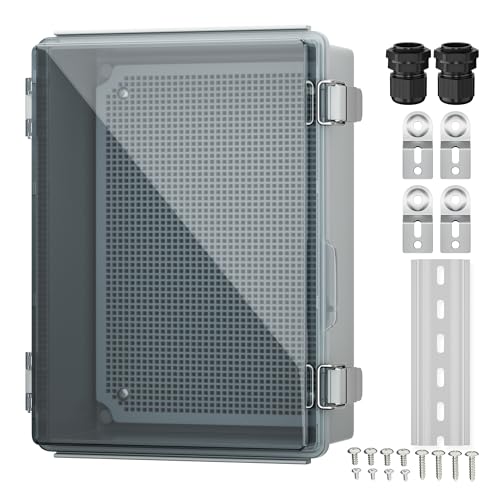
The Joinfworld enclosure focuses on security and weather resistance. It features stainless steel latches and included DIN rail hardware, enabling straightforward installation of controllers, relays, or network devices inside a protected outdoor enclosure. With a weatherproof design aligned to NEMA 4 or IP-rated expectations, this box suits outdoor control panels, telecommunications, and remote monitoring equipment. The lockable feature adds an added layer of security for locations where access control is important, while the inner layout supports flexible mounting options.
Buying Guide: Key Considerations for Explosion Proof Junction Boxes
When selecting an explosion proof junction box, consider the following aspects to ensure the best fit for your application:
- Environment and ingress protection: Determine the level of dust, water, and chemical exposure. IP66/IP67 ratings and NEMA classifications indicate the enclosure’s protective capabilities and suitability for outdoor or washdown environments.
- Material and durability: Iron and stainless steel provide high strength and corrosion resistance. Aluminum enclosures offer lighter weight and good chemical resistance for certain environments. Choose based on mechanical stress and corrosion risk.
- Electrical and hazardous location standards: Confirm compliance with applicable standards (NA/IEC, CE, ISO) and ensure the enclosure meets the appropriate explosion-proof or dust-ignition protection requirements for your location.
- Size and mounting options: Assess interior space for wires, connectors, and devices. Consider whether DIN rails, mounting plates, or wall-mount brackets are needed for easy installation and future upgrades.
- Sealing and gaskets: Ensure seals maintain integrity under temperature fluctuations and exposure to moisture or chemicals. Proper gaskets reduce the risk of condensation and ingress.
- Access control and security: For outdoor or semi-public installations, consider lockable enclosures to prevent tampering. Safety hinges and robust latches help secure the contents.
- Cable glands and entry hubs: Plan the number and size of hubs required for cable entries. Hubs compatible with standard conduit sizes streamline installation and maintenance.
- Maintenance and serviceability: Look for enclosures with easy access, clear labeling, and optional accessories that simplify routine checks and replacements.
Comparative Perspectives
- Cost vs. durability: Iron and steel boxes tend to be sturdier and longer-lasting in demanding conditions, often justifying higher upfront costs for critical equipment. Lightweight plastics may be adequate for indoor or low-risk environments and can reduce overall project costs.
- Indoor vs outdoor use: Outdoor-rated boxes must withstand weather, UV exposure, and temperature swings, while indoor boxes may prioritize cleanability and compactness. IP and NEMA ratings provide consistent guidance across both contexts.
- Maintenance considerations: Stainless steel boxes resist corrosion and are easy to clean, but may require more careful handling to prevent surface damage. Aluminum or plastic enclosures can be easier to modify or reconfigure in some setups.