When electrical equipment operates in wet, dusty, or potentially explosive environments, explosion proof outlets become essential for safety and reliability. This article highlights five top-rated options designed to withstand harsh conditions, along with a practical buying guide to help you choose the right solution for your project. Each product is evaluated for durability, compliance, and ease of installation in industrial or outdoor settings.
| Product | Brand | Key Feature |
|---|---|---|
| Larson Electronics 1111OP87KGS Explosion Proof Outlet | Larson Electronics | 20 Amp, feed-thru, 125VAC |
| Killark GRSS-3 Explosion Proof Junction Box | Killark | 7x 1″ hubs, rugged junction box |
| Appleton GRT50 JLT Explosion Proof Conduit Box | Appleton | 1/2″ conduit outlet box, malleable iron |
| Crouse-Hinds GUP215 Conduit Junction Box | Crouse-Hinds | Versatile hubs, dust/ rain tight |
Larson Electronics Explosion Proof Outlet 20A

The Larson Electronics 1111OP87KGS is a 20 amp explosion proof outlet with a feed-through design and a 3/4 inch connection for 125 VAC service. Built to perform in wet or corrosive environments, it offers a durable weatherproof connection suitable for portable or stationary equipment in hazardous locations. The device supports 125V at 1 hp or 250V at 2 hp configurations, making it versatile for a range of industrial applications.
Killark GRSS-3 Explosion Proof Junction Box

Killark’s GRSS-3 offers robust safety and reliability with a junction box designed to meet North American and IEC standards. This model is recognized for delivering low-cost, dependable solutions for harsh environments, featuring multiple hub options and a sturdy enclosure that helps protect wiring connections in explosive atmospheres.
Appleton GRT50 JLT Explosion Proof Conduit Box
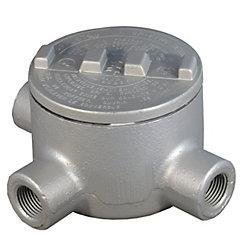
The Appleton GRT50 JLT conduit box is a half-inch conduit outlet enclosure crafted from malleable iron, designed to withstand demanding industrial environments. Its robust construction and rock-solid protection against moisture and dust make it suitable for electrical installations that require reliable conduit terminations in potentially explosive atmospheres.
Crouse-Hinds GUP215 Conduit Junction Box

The Crouse-Hinds GUP215 is an explosion-proof conduit junction box that ships with a variety of hubs and plugs, providing flexibility for different installation needs. The enclosure is designed to be dust-ignition-proof and rain-tight, making it suitable for outdoor or industrial sites where weather, dust, and ignition hazards are a concern.
Buying Guide: Key Considerations For Explosion Proof Outlets
When selecting explosion proof electrical outlets and enclosures, consider your specific environment and regulatory requirements. The following points provide a balanced view of common considerations from multiple perspectives, including safety, cost, and installation practicality.
- Explosion Protection Class and Certification: Confirm compliance with relevant standards (e.g., UL, ATEX, IECEX) and ensure the enclosure is certified for the intended hazardous location class and division.
- Voltage, Current, and Power Compatibility: Match the device rating (e.g., 125 VAC, 250 VAC, amperage) to your equipment and expected load. Check for feed-through capabilities if you need additional circuits from a single unit.
- Material and Construction: Choose enclosures made of corrosion-resistant metals (like cast aluminum or malleable iron) for humid or corrosive environments. Consider weatherproof seals for outdoor applications.
- Hub and Connector Options: Evaluate the number and size of hubs or plugs, especially in junction boxes. More hubs offer wiring flexibility but may increase size and cost.
- Ingress Protection and Weather-Tightness: Look for IP ratings and rain-tight or dust-ignition-proof features to ensure long-term reliability in challenging conditions.
- Installation and Maintenance: Assess ease of mounting, access to wiring, and the availability of replacement parts. Modular designs can simplify future upgrades.
- Cost of Ownership: Consider initial price alongside maintenance requirements, such as gasket replacement or corrosion resistance over time.
- Site-Specific Factors: For outdoor sites, consider UV exposure, temperature fluctuations, and potential exposure to chemicals or salt spray that could affect materials.
- Safety and Training: Ensure personnel are trained in handling explosion proof equipment and that lockout/tagout procedures are in place for maintenance.
- Future-Proofing: If your operation may expand, favor solutions with versatile hub configurations and higher amperage options to avoid frequent replacements.