Winter weather can threaten home plumbing, gutters, and outdoor hoses. An electric heat cable kit offers a safe, energy‑efficient way to prevent pipe freezing and ice dams. This guide reviews five reliable options, detailing their coverage, safety certifications, and installation considerations to help American homeowners choose the right kit for metal or plastic pipes, roofs, and gutters.
Summary Of Selected Products
| Product | Length | Voltage | Wattage | |
|---|---|---|---|---|
| Frost King HC6A Automatic Electric Heat Kit | 6 ft | 120V | 7 W/ft | Keeps water flowing down to -40°F; For metal and plastic pipes |
| Frost King HC9A Automatic Electric Heat Kit | 9 ft | 120V | 7 W/ft | Keeps water flowing down to -40°F; For metal and plastic pipes |
| HEATIT HISD Self-Regulating Heat Cable, 6 ft | 6 ft | 120V | 7 W/ft | CSA & ETL certified; built‑in thermostat |
| HEATIT 5JHSF 30 ft Pipe Heating Cable | 30 ft | 120V | 5 W/ft | Self-regulating with built‑in temperature controller |
| YKXJM 9 ft Heating Cable for Metal & Plastic Pipes | 9 ft | 120V | 8 W/ft | ETL listed; adjustable heating with IP67 plug |
Frost King HC6A Automatic Electric Heat Kit
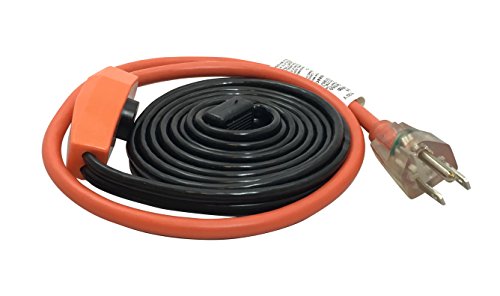
The Frost King HC6A is a 6‑foot automatic heat kit designed for metal and plastic water pipes. Operating at 120V with 7W per foot, it provides active freeze protection down to -40°F. The compact length makes it suitable for shorter pipe runs or to protect critical sections in attics or crawl spaces. A simple installation approach helps reduce labor time while delivering reliable warmth where pipes are most vulnerable.
Frost King HC9A Automatic Electric Heat Kit

This 9‑foot Frost King HC9A kit extends freeze protection to longer pipe sections. It shares the same 120V supply and 7W/ft rating as the 6‑foot model, delivering robust warmth for larger runs or more exposed outdoor segments. It is compatible with both metal and plastic pipes, making it a versatile choice for diverse plumbing layouts. Installation is straightforward, and the kit is designed to maintain water flow in frigid conditions.
HEATIT Self-Regulating Cable HISD 6 ft

The HEATIT HISD kit emphasizes safety and reliability with CSA & ETL certifications, including a UL‑certified plug. This self‑regulating cable adapts heat output to ambient temperature, helping conserve energy while protecting water-filled plastic or metal pipes. It comes with a built‑in thermostat and clear installation instructions, turning on at 37°F and turning off at 50°F. A practical option where certified safety and automatic control are priorities.
HEATIT 5JHSF 30 ft Pipe Heating Cable

This 30‑foot HEATIT model covers longer runs with 5W/ft, including a 3‑foot power cord. It features self‑regulating technology and a built‑in temperature controller that activates at 37°F and deactivates at 50°F. The design emphasizes energy efficiency and dependable protection for water-filled pipes, making it suitable for longer exterior plumbing routes or roof gutter protection around large homes or RV installations.
YKXJM 9 ft Heating Cable For Pipes
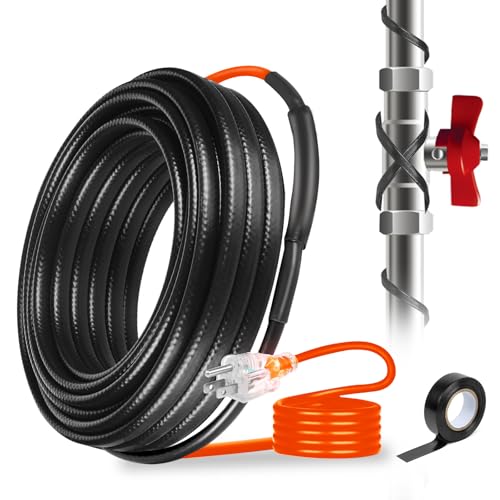
The 9‑foot YKXJM heating cable emphasizes ETL listing and adjustable heat output, with a robust build designed for metal and plastic pipes. It has a maximum operating temperature suitable for preventing ice dams on roofs and protecting outdoor hoses and gutters. The IP67 plug offers solid protection against moisture and dust in exposed winter environments, supporting reliable year‑round operation.
Buying Guide: Key Considerations For Choosing An Electric Heat Cable Kit
- Pipe material compatibility: Most kits work with metal and plastic pipes, but verify if you have PVC orPEX. Some products specify metal only or plastic only.
- Length and coverage: Measure the pipe run and consider extra length for turns, elbows, and spurs to ensure continuous protection.
- wattage and heat output: Higher watts per foot accelerate heat delivery but may raise energy use. Balance with insulation and climate conditions.
- Self-regulating vs. constant wattage: Self-regulating cables adjust heat in response to temperature, improving efficiency and safety; constant wattage cables deliver steady heat but may consume more energy.
- Thermostat and controls: Built‑in thermostats simplify operation, turning heat on at freezing temperatures and off when pipes are warm. Check for adjustable ranges and ease of use.
- Safety certifications: Look for ETL/UL/CSA marks and complete end‑to‑end certification to ensure system safety in North American standards.
- Installation environment: Indoors, outdoors, or in roofs/gutters requires different ratings (IP ratings, moisture resistance). Ensure plug location is accessible and weather‑protected if outdoors.
- Durability and warranty: Pre‑assembled kits with clear instructions are easier to install and typically include a warranty for long‑term reliability.
- Gutter and roof considerations: If protecting gutters or roof valleys, ensure the cable is rated for outdoor exposure and won’t damage shingles or metal flashing.
- Maintenance and replacement: Consider replacement parts availability, especially for older homes where extended pipes may require longer or different install kits in future seasons.
Choosing the right electric heat cable kit involves evaluating pipe material, climate severity, and the desired level of automation. For smaller pipe runs or attic areas, a 6‑to‑9 foot kit with a built‑in thermostat may suffice. For longer outdoor runs or roof gutter protection, a 30‑foot self‑regulating option provides broader coverage with energy efficiency. Safety certifications and fully certified end‑to‑end solutions should guide the final decision to ensure reliable protection against freezing and ice damming across North American winters.