Choosing the right battery for an electric fence charger is essential for dependable, round-the-clock protection. This guide highlights five top-rated batteries and charger-compatible models, focusing on durability, safe operation, and performance in varying weather and weed conditions. Each option supports common fence energizers, delivers steady power, and is designed for easy replacement. Use the quick reference below to compare features at a glance and read detailed product sections for deeper insights.
| Product | Brand | Type | Key Benefit |
|---|---|---|---|
| Mighty Max Battery 6V 7Ah SLA | Mighty Max Battery | Sealed Lead Acid | Maintenance-free, UL certified |
| Parmak 901 6V Gel Cell | Parmak | Gel Cell | Non-hazardous, reliable gel chemistry |
| ANDMON 10 Miles Solar | ANDMON | Solar with GEL | Portable solar solution for 24/7 power |
| Zareba 15-Mile Battery Operated | Zareba | Battery powered | High mile rating for larger or remote setups |
| Mighty Max 6V 12Ah F2 | Mighty Max Battery | Sealed Lead Acid | Higher capacity for longer runtimes |
Mighty Max Battery 6V 7Ah SLA Battery

The Mighty Max Battery ML7-6 is a 6-volt, 7-amp-hour Sealed Lead Acid (SLA) battery designed for reliable power in electric fencing. This maintenance-free unit offers UL certification and features a compact footprint (approximately 5.94 x 1.42 x 3.94 inches). It uses F1 terminals and is sold as a battery-only item, with no wiring harness or mounting hardware included. SLA/AGM chemistry supports a high discharge rate, broad operating temperatures, and a long service life, making it suitable as a replacement in Gallagher S17 and similar solar fence chargers when used within compatible charging systems.
Parmak 901 6-Volt Gel Cell Battery
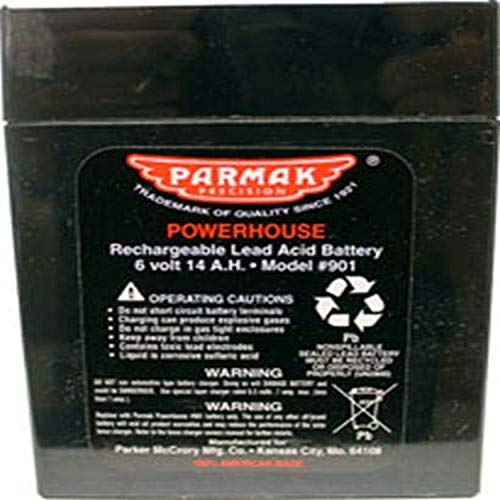
The Parmak 901 is a 6-volt, 14 amp-hour gel cell battery crafted for solar-powered electric fences. Gel cell chemistry reduces maintenance needs and minimizes spill risks, making it a solid option for remote or weather-challenged installations. This non-hazardous lead-acid design provides steady current delivery and is well-suited for compatible Parmak solar fence chargers and other same-voltage systems.
ANDMON 10 Miles Solar Fence Charger Battery Pack

ANDMON’s 10 Miles Solar Fence Charger combines a compact energy unit with a built-in solar panel and GEL battery. It is designed for easy installation and portability, ideal for strip grazing or remote locations. The kit is built to deliver power around the clock, even in low-light conditions, and is managed by an integrated battery system intended to simplify long-term maintenance and reliable fence operation.
Zareba 15-Mile Battery Operated Low Impedance Charger

The Zareba EDC15M-Z is a 15-mile-rated battery-operated charger designed for medium weed conditions. It supports a wide range of fence types, including high-tensile, aluminum, polywire, and polytape. In practice, performance scales with weed density and fence length, making this a suitable choice for larger rural setups seeking a robust, battery-powered solution.
Casil 4V Battery for Fi-Shock and Zareba Chargers

The Casil 4V rechargeable battery is designed as a replacement for Fi-Shock SS-440 and Zareba solar charger systems. This 4-volt, 4.5Ah battery uses SLA/AGM chemistry with high discharge capability and wide operating temperatures, intended to deliver dependable power for solar fence charging. Dimensions are compact (about 1.86 x 1.87 x 3.98 inches) with F1 terminals, and the listing covers the battery only.
Mighty Max Battery 6V 12Ah F2 SLA Replacement

The Mighty Max Battery ML12-6F2 is a 6-volt, 12-amp-hour SLA battery designed for longer runtimes in electric fence chargers. It shares the same UL-certified, maintenance-free SLA/AGM format as other Mighty Max products, with dimensions around 5.94 x 2.01 x 3.94 inches. This higher-capacity model suits larger fences or heavier load demands and is compatible with many Zareba and Gallagher-type chargers when used with the correct terminal configuration.
Buying Guide: Key Factors for Selecting an Electric Fence Charger Battery
- Voltage and capacity: Choose a battery whose voltage matches your charger’s requirements and select capacity (Ah) to align with fence length, weed density, and expected runtimes.
- Battery chemistry: SLA/AGM batteries offer maintenance-free operation and spill resistance, while gel cell variants minimize risk and can perform well in portable solar setups.
- Weather and temperature tolerance: Look for batteries rated for wide operating temperatures to maintain performance in sun, cold, or humidity typical of rural environments.
- Charger compatibility: Verify terminal type (often F1 or F2) and physical dimensions to ensure a proper fit and reliable connection with your charger model.
- Maintenance needs: Maintenance-free designs reduce upkeep, but periodic checks are still advisable to verify charge levels and mounting security.
- Portability vs. capacity: Portable solar options emphasize mobility and quick deployment, while larger capacity batteries support longer runtimes and higher fence miles.
- Safety and certifications: UL-certified batteries provide added assurance of safety and quality, particularly in areas with wildlife or livestock interactions.
- Warranty and replacement availability: Consider battery longevity and the ease of finding replacements if you need a quick swap in the field.
- Cost of ownership: Weigh upfront cost against expected lifespan, maintenance, and potential downtime due to battery failure.
When selecting a battery, map your fence length, expected maintenance schedule, and site conditions. For remote pastures, solar-powered or higher-capacity options may reduce maintenance and provide more reliable protection. For smaller, wired setups, a compact SLA battery can be a cost-effective, dependable replacement. Each product listed above is commonly compatible with popular fence chargers and can help maintain continuous, calibrated energizing power across varied environments.