If you’re seeking softer, more flattering light for photography or video, diffusion fabric and sheets are essential. This guide highlights five diffusion materials that are well-suited for studio softboxes, light tents, panels, and DIY modifiers. Each pick targets a distinct use case—from portable on-location diffusion to grid-enhanced softening for controlled spread. Buyers can compare by light reduction, cut-to-fit options, and ease of use. The following summary table helps you quickly contrast key specs and ideal buyers.
| Product | |||
|---|---|---|---|
| Neewer 20×5 ft Polyester Diffusion Fabric | White polyester diffusion fabric, ~1.0 f-stop reduction | DIY setups, softbox panels, on-location shoots | Requires framing or mounting for full setup |
| Fotoconic 1 Yard x 67 Inch Diffusion Fabric | White nylon diffusion fabric, DIY cut edges | Custom-sized modifiers, quick DIY projects | Unfinished edges may need finishing for clean edges |
| Selens 1 Yard x 67 Inch Diffusion Fabric | White nylon diffusion fabric, DIY cut edges | Studio lighting modifiers, softboxes, tents | Wrinkles may appear; requires hanging to smooth |
| Selens 3Pcs Adhesive Light Diffuser Film | Adhesive film for LED diffusing | Spread light on flat panels and fixtures | Limited to small, flat areas; may reduce brightness slightly |
| FIEWSZIHU Diffusion Fabric With Grid | Diffusion fabric with cross-grid texture | Better light control; reduces reflections and shadows | Bulk size may be less portable for tight spaces |
Neewer Polyester White Diffusion Fabric 6×1.5m

Neewer’s diffusion fabric measures 19.7×4.9 feet (6×1.5 meters), made from non-yellowing white polyester translucent textile. It softens light and reduces reflections and shadows, delivering about a 1.0 f-stop light reduction. This option is best for DIY lighting modifiers, large soft boxes, or light tents when you need a broad, even diffusion surface. Choose this if you’re building or modifying a studio or on-location light wall. Caution: installation requires a frame or support to maintain even diffusion across the entire surface.
Photography Diffuser Fabric 78.7×59 Inches
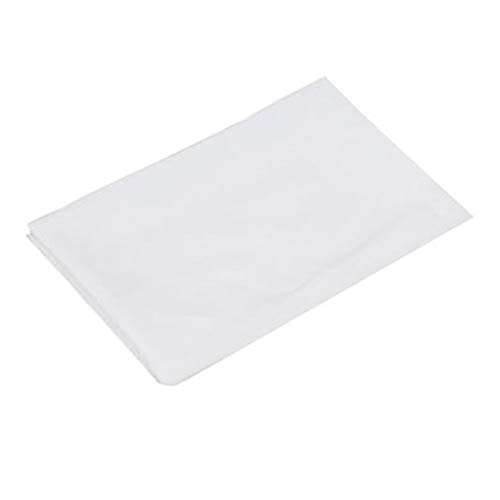
This nylon diffusion fabric is sized at 78.7 by 59 inches, designed to soften light for natural light and various film and photography lights. It can be cut to desired sizes and is compatible with softboxes, tents, and diffusion panels. It offers a standard color temperature and maintains a natural, uniform light effect. Best for photographers needing a ready-to-cut diffusion panel with DIY mounting potential. Limitation: unfinished edges may require trimming or sealing to prevent fraying.
Fotoconic 1 Yard x 67 Inch Diffusion Fabric

Fotoconic offers a white diffusion fabric roll with unfinished edges that can be scissors-cut for DIY lighting modifiers. It’s made from non-yellowing nylon translucent textile, softening light and reducing reflections and shadows by about 1.0 f-stop. It’s suitable for studio lights, softboxes, tents, diffusion panels, and windows. Best for DIY enthusiasts who want a high-flex fabric that’s easy to tailor. Caution: wrinkles may appear; hanging for 1–2 days helps reduce them, and ironing is possible if needed.
Selens Adhesive Light Diffuser Film 7.9×11.82 Inches

Selens adhesive diffuser film sticks to LED panels to spread light and soften brightness. The set includes three patches with a 0.16 mm thickness and is designed to reduce harshness across a wider area. Best for improving flat panel lights or spot lamps without altering the fixture shape. Limitation: adhesive films can peel over time or fail on very curved surfaces.
Selens 1 Yard x 67 Inch Diffusion Fabric
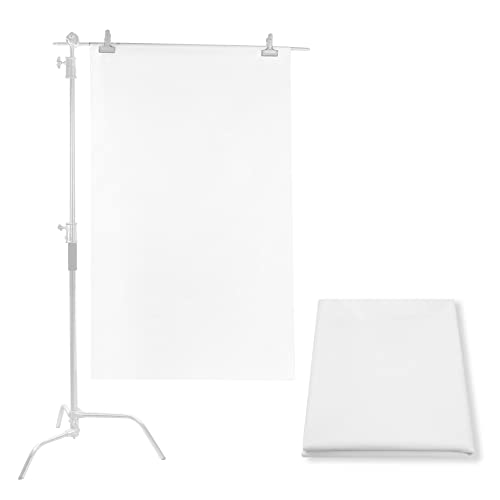
Selens diffusion fabric is a white nylon diffusion fabric with unfinished edges, allowing scissor-cut sizing for DIY studio modifiers. It softens light and reduces reflections and shadows with about 1.0 f-stop of light reduction. Suitable for softboxes, tents, and diffusion panels. Best for creators who want a lightweight, flexible diffusion solution that’s easy to customize. Caution: wrinkles may occur; hang or iron as recommended to achieve smoothness.
Nezyo Diffusion Film Roll for LED Lighting

Nezyo diffusion film is a rolling diffusion sheet designed for LED, strobe, and video lighting. It comes as a wide roll with 15 meters length and narrow width, enabling arbitrary cutting with scissors. It’s waterproof, matte, and heat-resistant, offering stable color and even diffusion. Best for photographers and videographers who need to filter or color-correct light across large setups. Limitation: it’s a gel sheet rather than a fabric, so durability under repeated folding differs from fabric options.
Buying Guide: Key Considerations For Diffusion Materials
- Diffusion level: How much light is reduced (often around 1.0 f-stop for many fabrics). Choose higher diffusion for portraits or soft scenes, lower for dramatic lighting.
- Material type: Fabric vs. film vs. sheets. Fabric is more flexible for DIY rigs; films are thin and adhesive; sheets are rigid and cut-friendly.
- Edge finish: Unfinished edges require trimming; finished edges resist fraying and extend lifespan.
- Size and portability: Large panels are great for studios but less portable; consider foldability or lightweight fabrics for on-location work.
- Durability and care: Nylon and polyester fabrics resist wrinkles and mildew; films can tear when bent; check care instructions for cleaning and storage.
- Compatibility: Ensure diffusion material fits your modifier (softbox, tent, panel, or bare LED bars) and mounting method.
- Installation ease: Some options require frames or adhesive backing; others are ready-to-cut or pre-sized for quick setup.
FAQ
- What is diffusion fabric best used for? It softens light across the subject, reduces harsh shadows, and can be cut to fit various modifiers like softboxes, tents, or panels.
- How much light reduction should I expect? Many diffusion fabrics provide about 1.0 f-stop reduction, though results vary by material and thickness.
- Should I choose fabric or film? Fabric offers flexible sizing and reuse; films provide thin, adhesive diffusion for quick edits on existing fixtures.
- Can diffusion materials cause wrinkles? Yes, especially unfinished-edged fabrics. Hang for 1–2 days or iron carefully to smooth.
- Is diffusion suitable for outdoor shoots? Yes, many diffusion fabrics are designed for indoor/outdoor use and can withstand varying conditions, though wind may require additional fastening.
- How do I know which diffuser is right for me? Consider your modifier type, desired softness, durability, and how easily you can cut or install the material.