Wherever you park, keep access secure and convenient with reliable gate remote controls. This guide highlights five top options suited for different needs: weather-resistant units for frequent use, compatibility-focused remotes for fixed-code systems, and compact sets ideal for multi-garage setups. The best pick depends on your gate opener type, frequency of use, and ease of programming. Below, each product is evaluated for who it’s best for and why it stands out.
Summary table of selected products
| Product | Best For | Key Benefit | Limitations |
|---|---|---|---|
| CO-Z Remote Control for Automatic Sliding Gate Opener | Frequent use, vehicle-friendly | 100 ft range; easy pairing | Aluminum case may be overkill for indoor use |
| Kingdder 3 Pieces Garage Door Remote (Multicode 3089) | Multiple remotes for one system | 3 remotes with keychain | Requires matching 10-dip switch receiver |
| 2X for Multicode Linear 308911 Remote | Single-channel, fixed-code setups | Compact and simple | Not universal; must match 308911 code |
| 5-Pack 433MHz Garage Door Remote | Fixed-code systems with 433MHz | Wide fixed-code compatibility | Not compatible with rolling-code or encrypted systems |
| Upgraded 3089 Multicode Gate Opener Remote | Updated compatibility, 120 ft range | Easy to program; broad 3089 family support | Only works with 300MHz 10-dip systems |
CO-Z Remote Control for Automatic Sliding Gate Opener

Best for frequent gate use and drivers who want a straightforward pairing process. This CO-Z remote offers a 100‑foot range and a simple ANT-button pairing with existing gate systems, making it a solid choice for daily access from a vehicle. The aluminum alloy shell provides durable, corrosion-proof performance for outdoor setups.
Who it’s best for: homeowners with a standard sliding gate that already has a compatible receiver. Why chosen: reliable range, easy programming, and durable build. Caution: the remote’s range can vary with gate size and environment, and it requires a compatible opener board to pair successfully.
Kingdder 3 Pieces Garage Door Remote (Multicode 3089, 10 Dip Switch)

Best for households with multiple garage door remotes sharing the same 3089/300MHz multi‑code setup. Includes three remotes with batteries and keychains, designed for 10-dip switch receivers. This is a practical choice when one family unit controls multiple gates or garage doors.
Who it’s best for: users who know their opener uses 10-dip Multicode 3089. Why chosen: value and convenience of multiple remotes. Caution: not universal; ensure your receiver uses 3089 with compatible dip settings to avoid interference or non‑function.
2X for Multicode Linear 308911 Remote

Best for owners with Linear 308911 receivers who want a compact, single‑channel remote. This product is a straightforward replacement that should work with 308911 systems that share the 300 MHz fixed code configuration.
Who it’s best for: single‑channel 308911 setups seeking a compact backup. Why chosen: simple design and direct compatibility with 308911. Caution: not a universal replacement; check that your current code is 308911 and that the remote’s dip settings align with your receiver.
5-Pack 433MHz Garage Door Remote

Best for users with fixed‑code 433MHz gate systems seeking a bulk option. This pack emphasizes fixed-code compatibility and provides multiple remotes suitable for hardware that uses pre‑set encodings. Not compatible with rolling codes or encrypted protocols.
Who it’s best for: households with several gates or vehicles needing dedicated remotes. Why chosen: broad fixed‑code compatibility in a cost‑effective pack. Caution: verify your opener uses a fixed-code 433MHz protocol; this cannot clone or learn codes from other remotes.
CO-Z Remote Control for Automatic Gate Openers
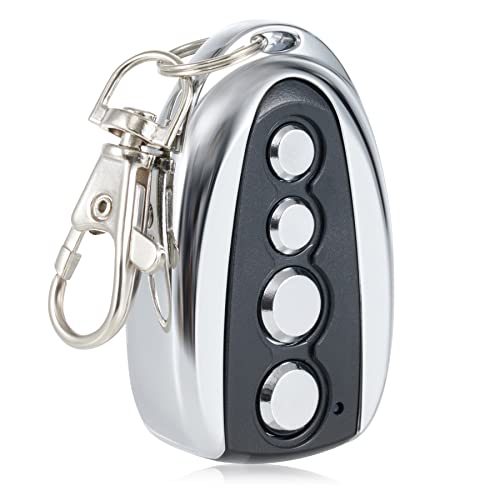
Best for compact, 100‑foot range operation with easy pairing. This CO-Z model mirrors the feature set of its 100‑foot peers, emphasizing quick setup and a light yet durable design. Ideal for users who want minimal fuss and solid outdoor performance.
Who it’s best for: drivers requiring reliable remote operation from a car. Why chosen: consistent pairing process and durable construction. Caution: ensure your gate opener board supports the specific CO-Z protocol to avoid compatibility issues.
Upgraded 3089 Multicode Gate Opener Remote

Best for updated 3089/308911 receiver families with 120‑foot range and robust signaling. It highlights ease of programming and a broad compatibility footprint within the 300 MHz Multicode ecosystem. A solid upgrade for matching older remotes to newer receivers.
Who it’s best for: users with 3089/308911 receivers seeking improved performance and simpler setup. Why chosen: longer range and extended compatibility within the Multicode line. Caution: designed for 300 MHz 10‑dip configurations; verify your system’s dial switches before purchase.
Buying Guide: Key Considerations For Choosing Gate Remote Controls
- Compatibility: Confirm the remote matches your gate opener’s frequency and code type (fixed-code vs rolling/learnable codes). Use the product features as a checklist: frequency (e.g., 300 MHz, 433 MHz), number of dips, and whether the system is fixed-code or rolling-code.
- Range and environment: Outdoor gates need remotes with solid range and weather-resistant housings. A 100‑foot range is common; taller gates and longer driveways may benefit from stronger line‑of‑sight performance.
- Programming ease: Look for remotes that pair quickly via a simple button or ANT/learn procedure. Clear documentation helps avoid programming errors.
- Multiple remotes: If you manage multiple gates or vehicles, consider bundles (such as 3‑pack or 5‑pack sets) to simplify replacement and access control.
- Durability and weight: Aluminum or metal-cased remotes withstand outdoor use better than cheaper plastic units. Weight affects handling and keychain compatibility.
- Limitations: Some remotes do not clone or learn codes from other remotes and require exact code matches. Confirm this before mixing brands or systems.
- Security considerations: For high‑traffic properties, choose remotes with stable, non‑reprogrammable codes to reduce the risk of code grabbing or interference.
- Future‑proofing: If you plan to upgrade to newer gate systems, pick remotes from brands that clearly state compatibility with common Multicode or fixed-code families to prolong usefulness.
Frequently Asked Questions
- What should I check before buying a gate remote?
– Verify frequency, code type (fixed vs rolling), compatibility with your opener’s receiver, and the number of remotes included. - Can I reuse an old remote with a new gate opener?
– Only if the new opener supports the same code type and frequency, and it can be reprogrammed to accept the old remote’s code. - Are fixed-code remotes more secure than rolling-code remotes?
– They can be simpler but may be less flexible; rolling-code systems change codes for each use, offering enhanced security against interception. - What if my gate won’t pair with the remote?
– Ensure the opener is powered, check dip switch settings, and confirm the remote’s compatibility with the exact model and receiver. Consult the manual for programming steps. - Is a multi-pack remote better than buying singles?
– Yes for households with multiple gates or vehicles, as it reduces replacement complexity and keeps access consistent. - Will these remotes work indoors?
– They are designed for outdoor gate use, but performance is best within the intended range and line of sight; external exposure can affect range.