Finding the right commercial-grade water pressure tank helps ensure constant water pressure in schools, farms, and larger properties. This guide highlights five top options, explaining who each tank is best for and why it stands out. Use these picks to balance capacity, durability, and reliability in demanding, non-residential settings. Each choice aims to reduce pump cycling, stabilize pressure, and extend system life while meeting typical well-water demands.
| Product | Best For | Key Benefit |
|---|---|---|
| VEVOR 34-Gallon Vertical Well Tank | Medium to large homes, small farms, irrigation systems | High capacity with sturdy carbon steel construction |
| WaterWorker HT-30B Vertical Tank | NSF-listed, drinking-water compatible setups | Butyl diaphragm and safe water contact materials |
| Amtrol WX-202 Well Pressure Tank | Residential and light commercial needs | Strong diaphragm with reinforced inner liner |
| Red Lion RL34A 34-Gallon Tank | Well systems needing NSF/ANSI safety certification | Pre-charged and durable components with leak-safe tech |
| Amtrol WX-203 Well-X-Trol | Stand-alone well systems with aggressive water | High-strength shell and robust inner liner |
VEVOR 34-Gallon Vertical Well Pressure Tank
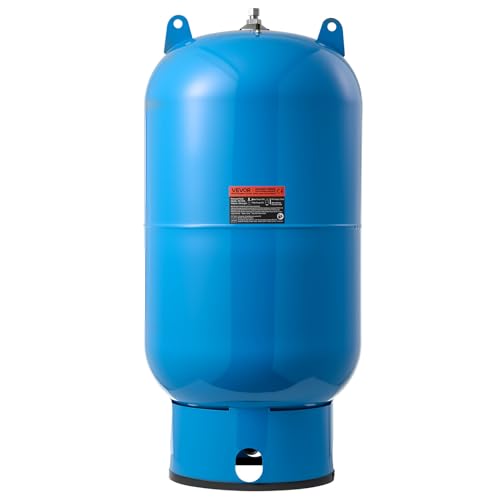
The VEVOR tank is a large-capacity, pre-charged unit designed to reduce pump cycling and maintain stable pressure in bigger homes or irrigation setups. Best for: facilities needing substantial storage to support continuous water flow when pumps cycle on and off.
- Large capacity: 34 gallons, with a tall vertical design for space efficiency.
- Material and pressure: Carbon steel body rated for substantial internal pressure; pre-charge and working temperature support typical well-water systems.
- Connection: 1-inch NPT inlet/outlet for standard piping configurations.
Caution: Not intended for drinking water use; ensure compatibility with your water source and local codes. Best suited for non-potable applications like irrigation and bulk water use.
WaterWorker HT-30B Vertical Pressure Well Tank

The WaterWorker HT-30B emphasizes safety and drinking-water compatibility, making it a strong pick where water quality is critical. Best for: systems that require NSF/ANSI certifications and a diaphragm design that resists wear and water-odor transfer.
- NSF-listed components and ANSI/NSF Std 61 compliance.
- Butyl diaphragm offers sustained flexibility and fewer creases than some bladder designs.
- Polypropylene liner avoids flaking and reduces taste/odor transfer.
Limitation: Slightly lower capacity than larger 34-gallon tanks; ideal for residential-scale commercial use or smaller facilities.
Amtrol WX-202 Well Pressure Tank
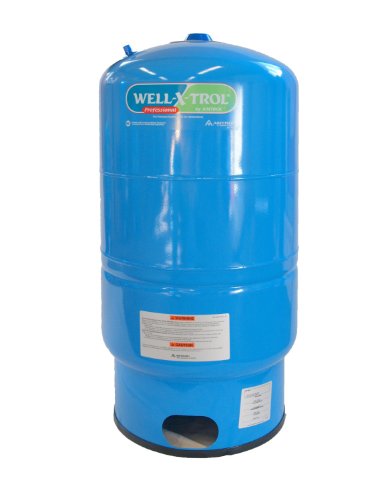
The WX-202 is built with a high-strength steel shell and a virgin polypropylene inner liner for durability and long life. Best for: systems requiring a strong diaphragm with reliable performance under pressure as part of a residential or light commercial setup.
- Robust steel shell and liner for added resistance to wear.
- Diaphragm-and-liner design promotes durable operation and leak resistance.
Note: Installation should follow standard well-pump practices; verify compatibility with existing piping and pressure settings.
Red Lion RL34A 34-Gallon Vertical Tank

The Red Lion RL34A is designed to work with well-pump systems and carries NSF/ANSI/CAN 61 safety certifications, with a leak-safe technology and durable connections. Best for: installations needing certified drinking-water safety alongside reliable pressurization.
- Pre-charged and ready for setup; includes 1-inch FNPT connections.
- Heavy-duty construction with components designed to minimize leaks and failures.
Caution: Ensure proper air charge is set below the switch cut-in value to avoid pressure fluctuations or pump short cycling.
Amtrol WX-203 Well-X-Trol

The WX-203 is another Amtrol option designed for aggressive or demanding water systems, featuring a high-strength shell and a robust inner liner. Best for: larger or more heavy-duty installations where the water quality and pressure consistency are critical, especially with higher pumping demands.
- Virgin polypropylene inner liner resists cracking and flaking.
- Steel shell provides structural reliability for long-term use.
Limitation: As a heavier-duty option, it may require more substantial mounting space and suitable hookup hardware.
Buying Guide: Key Purchase Considerations
What capacity do I need for my system?
Consider daily water usage, number of fixtures, and whether irrigation is included. Higher-capacity tanks reduce pump cycling but require more space and upfront cost.
Is the tank compatible with drinking water?
Some tanks include food-safe liners or are NSF/ANSI certified for drinking-water safety. If you need potable water, prioritize these features.
What diaphragm or liner design matters?
Diaphragm tanks (rubber or butyl) and bladder/liner designs influence reliability and maintenance. Diaphragms with robust seals tend to last longer in high-use environments.
What materials affect durability and corrosion resistance?
Steel shells and high-quality liners resist corrosion and wear under pressure. Stainless connections and leak-safe technologies add reliability in demanding settings.
How should I size and install?
Follow manufacturer guidelines for pre-charge pressure and correct air charge relative to the system switch. Correct installation minimizes pump cycling and ensures consistent pressure.
What are potential limitations to watch for?
Some tanks are not suitable for drinking water or require frost protection. Check temperature ratings, environmental exposure, and local climate conditions during placement.
Frequently Asked Questions
- What is a pre-charged pressure tank? A tank that ships with a preset air charge, reducing restart pressure fluctuations after installation.
- Do these tanks require regular maintenance? Yes. Inspect diaphragms or liners, check connections for leaks, and verify air charge as part of routine service.
- Can I use a larger tank for a small business? Larger tanks can improve efficiency in higher-demand environments, but ensure space and piping support are adequate.
- Are there safety certifications I should look for? NSF/ANSI certifications indicate compliance with drinking-water safety standards in some models.
- How do I know which tank to choose? Match capacity and certifications to your water needs, pump system, and whether potable water is involved.