In commercial environments, reliable carbon monoxide detectors are essential for occupant safety and compliance. This guide reviews five top-rated options, highlighting sensing technology, power sources, alarms, and installation practicality. Each model is evaluated for commercial or larger-space use, with attention to dual alarms, continuous monitoring, and ease of integration with building systems.
Summary of Selected Products
| Product | Brand | Key Advantage |
|---|---|---|
| Klein Tools ET110 CO Meter | KLEIN TOOLS | Portable CO measurement with STEL alarm |
| First Alert CO400 | First Alert | Battery-powered, reliable electrochemical sensor |
| Kidde Carbon Monoxide Detector (Plug-in) | Kidde | Digital display and 9V backup |
| NICGOL 4-in-1 Detector | NICGOL | Multi-gas sensing with dual alarms |
| 260-CO Commercial Detector | Generic | 10-year service life steady performance |
Klein Tools ET110 CO Meter

The Klein Tools ET110 provides practical, portable carbon monoxide measurement. It features accurate CO gas measurement with a simple interface suitable for quick in-field checks in commercial facilities, workshops, or mechanical spaces. Its built-in short-term exposure limit (STEL) alarm enhances safety by signaling elevated CO levels before they reach dangerous thresholds. A compact design supports operator mobility for routine inspections and maintenance tasks, while the device’s alarm system helps ensure timely responses in busy environments.
Features from the listing emphasize portability, a protective shell, and dual alerting: low and high CO level alarms (35 ppm and 200 ppm). This dual-alarm approach supports both screening and escalation workflows in commercial settings where CO risk may arise from equipment use or compromised ventilation. The ET110 is ideal for facility managers who need a quick, dependable spot-check tool without relying on fixed detectors in every room.
First Alert CO400 Carbon Monoxide Detector
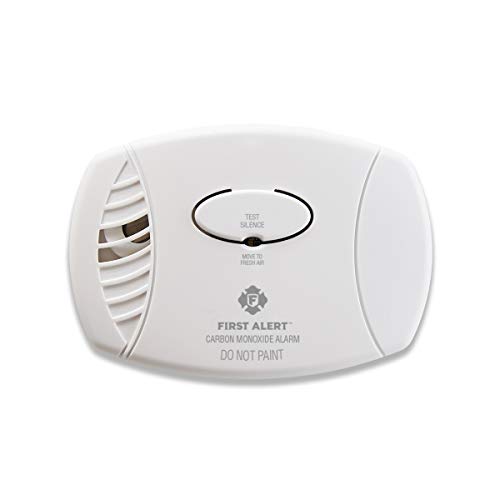
The First Alert CO400 is a battery-operated CO detector designed for continuous monitoring without dependence on building power. This makes it suitable for areas with unreliable hardware or backup power concerns in commercial spaces. Its electrochemical CO sensor provides dependable performance across varied room conditions, ensuring that CO levels are detected promptly regardless of location within a facility. The device relies on replaceable batteries, which supports ongoing operation during outages or renovations where electrical work is paused.
Alarms are designed to be prominent and clear, and routine maintenance guidance helps facility teams confirm functional operation. The CO400’s emphasis on a straightforward installation process makes it a practical choice for corridors, break rooms, or remote equipment rooms where continuous surveillance is valued. The product’s battery-powered design ensures monitoring continuity and reduces the risk of undetected CO buildup during power disturbances.
Kidde Carbon Monoxide Detector (Plug-in)

The Kidde plug-in CO detector integrates directly into a standard 120V outlet with a 9-volt battery backup, offering reliable protection during power interruptions—an important consideration for many commercial settings. Its digital LED display provides immediate visibility into the sensed CO level, allowing maintenance staff to quickly interpret readings and determine appropriate actions. This model is well-suited for larger rooms, open-plan offices, or retail floors where prominent, constant monitoring is beneficial and a simple install is preferred.
With a built-in backup and an easy plug-in design, the Kidde detector balances continuous monitoring with user-friendly operation. The LED display assists staff in daily safety checks and supports compliance documentation during safety audits. The device’s straightforward approach makes it a dependable baseline solution for commercial environments seeking a robust, single-location detector.
NICGOL 4-in-1 Detector

The NICGOL 4-in-1 detector combines gas leak detection with carbon monoxide monitoring, plus temperature and humidity sensing in a single plug-in unit. This multi-sensor arrangement is particularly valuable in commercial or RV environments where a variety of air quality factors influence safety. Dual sensors and dual alarms deliver rapid, layered alerts for CO leaks and natural gas events, with a loud alarm and flashing light to accommodate noisy or busy spaces. Energy efficiency is highlighted, supporting continuous monitoring without excessive power draw.
Users should consider the device’s coverage area, sensor response times, and the need for potential integration with HVAC or building management systems. The 110V–220V AC operation broadens compatibility for many commercial installations, while the eco-friendly approach reduces long-term maintenance costs. NICGOL’s 4-in-1 design is especially relevant for spaces that house gas-powered equipment or require precise environmental monitoring alongside CO detection.
260-CO Commercial Detector
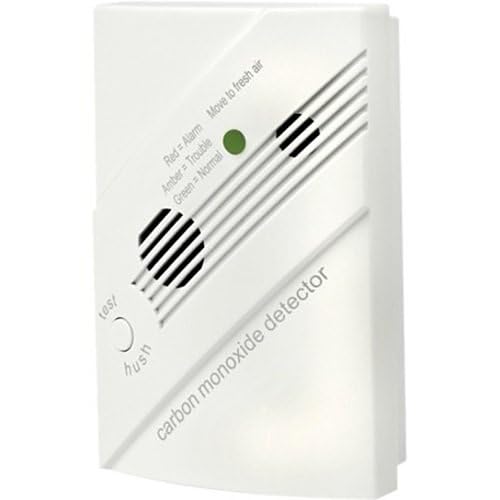
The 260-CO model emphasizes electrochemical sensing combined with a microprocessor for precise, real-time CO concentration tracking. It is designed for commercial deployments with a 10-year service life, indicating long-term reliability in fixed installations such as corridors, large offices, or industrial spaces. SafeTest technology adds a practical testing capability that uses actual CO gas to verify detector operation, aiding maintenance teams in validating performance without disassembly or complex procedures. The long lifespan helps reduce replacement cycles and maintenance scheduling for facilities managers.
When considering commercial CO detectors, assess the detector’s mounting options, compatibility with existing electrical infrastructure, and required maintenance intervals. Critical factors include sensor type, alarm thresholds, and whether the unit supports periodic functional tests. For building safety programs, selecting devices with extended lifespans, clear indicators, and reliable alarms supports compliance and occupant protection in a variety of commercial contexts.
Buying Guide
- Power source and reliability: Battery-powered detectors work during outages, while plug-in devices often provide continuous power with battery backup. In large buildings, combining both types can ensure no gaps in coverage.
- Sensing technology: Electrochemical sensors are standard for CO detection and provide stable, accurate readings. Look for units with clear alarm thresholds and fast response times.
- Alarms and indicators: Dual alarms (low and high CO levels) and audible alerts complemented by visual indicators (LEDs or flashing lights) help in busy environments where occupants or staff may be distracted.
- Installation considerations: Wall- or ceiling-morne detectors should conform to local codes. Plug-in devices ease retrofits, while fixed detectors on HVAC or corridors ensure broader protection.
- Maintenance and testing: Choose devices offering simple test procedures, SafeTest or dedicated tests, and long service life to minimize downtime and maintenance costs.
- Multi-gas capabilities: In spaces with potential gas leaks besides CO, a 4-in-1 or multi-gas detector can provide comprehensive coverage, reducing the need for multiple devices.
- Compliance and coverage: Ensure detectors meet UL or local standards (e.g., UL2034). Assess the required density of detectors per square footage and the building’s occupancy profile.
- Integration: For larger facilities, consider detectors that can interface with building management systems or fire signaling panels to streamline safety workflows and documentation.
In selecting commercial CO detectors, balance portability, fixed-installation needs, sensor reliability, and maintenance practicality. Depending on space use—office floors, industrial areas, or storage rooms—teams may deploy a mix of portable meters for spot checks and fixed detectors for continuous monitoring. A layered approach improves safety and supports regulatory compliance across varied commercial environments.