Protecting your household from both smoke and carbon monoxide is essential. This guide highlights top 5 combo detectors, covering standalone units, battery-powered options, and interconnected systems. Each pick emphasizes reliable sensing, long battery life, and user-friendly features to help you compare quickly and choose the right model for your space.
| Product | Brand | Key Features |
|---|---|---|
| X-Sense SC01 | X-Sense | 10-year life, standalone; 2-in-1 protection |
| First Alert SMCO100 | First Alert | 2-in-1 protection; test & silence; battery operated |
| LEMONTAIL 2 Pack | LEMONTAIL | Dual sensors; digital display; standby mode |
| X-Sense XP0A-MR31 | X-Sense | Interconnected with base station; voice location |
| AEGISLINK SC200 | AEGISLINK | 10-year life; replaceable battery; LCD CO readout |
X-Sense Smoke and CO Detector, SC01 Standalone
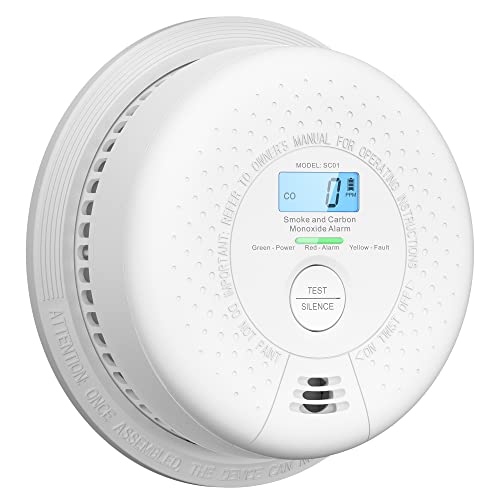
The SC01 model from X-Sense provides 2-in-1 protection for smoke and carbon monoxide with a long-life 10-year battery. It is designed as a basic standalone device, not suitable for wireless interconnection or base stations. Ideal for smaller spaces or where simple, reliable monitoring is desired without network features.
First Alert Combination Smoke & CO Alarm, SMCO100

First Alert SMCO100 combines 2-in-1 protection with a battery-operated design for easy installation. Its Precision Detection technology helps reduce nuisance alarms from cooking while providing early warning for true emergencies. A compact, easy-to-maintain unit suitable for hallways and bedrooms.
LEMONTAIL 2 Pack Smoke & CO Detectors

This 2-pack from LEMONTAIL features dual sensors—photoelectric for smoke and electrochemical for CO—with a readable digital display. It includes a standby mode to minimize disturbance and a loud alarm (over 85 dB). It’s recommended to install multiple units for comprehensive coverage in larger homes.
X-Sense XP0A-MR31 With Base Station

This model supports interconnection through a base station and app integration. It provides talking alarms that announce the location of danger and can alert up to 12 family members via the app. It requires compatible Wi-Fi and operates on 2.4 GHz networks.
AEGISLINK SC200 10-Year Detector

The SC200 from AEGISLINK emphasizes a long 10-year lifespan with a replaceable battery. It features a real-time LCD that shows CO concentrations and battery level, and it covers a practical detection range of 215–430 sq ft. The device is designed for steady, reliable monitoring in homes and small offices.
Buying Guide: Key Purchase Considerations
- Detection technology: Look for a mix of photoelectric (smoke) and electrochemical (CO) sensors for accurate readings and fewer false alarms. Dual-sensor alarms are generally more dependable for homes with mixed risks.
- Power source and life: Decide between 10-year sealed batteries (low maintenance) and replaceable batteries. Consider a model with a battery life that suits your maintenance routine.
- Interconnection capability: If you want whole-home safety, choose interconnected detectors or a base-station system that syncs alarms and provides centralized alerts.
- Display and alerts: A digital display showing CO levels helps in monitoring conditions. Voice alerts or location-based notifications add clarity during emergencies.
- Installation: Battery-powered units offer flexible mounting without wiring. Hardwired or base-station-connected models require installation planning but can provide broader coverage and smarter alerts.
- Maintenance: Regular testing and button-silence trials are essential. Check battery health and sensor performance per manufacturer guidance.
- Coverage area: For larger homes, ensure the number of detectors and their placement meet recommended coverage to avoid blind spots.
- Device lifecycle: Long-life sensors and sealed batteries reduce maintenance. Consider models with clear lifecycle information and replace-by dates if available.
- App integration: Interconnected models with smartphone apps enable remote monitoring and instant alerts beyond local beeps.
- Size and design: Slim profiles fit in tight spaces. Consider mounting height and room type (kitchen, bedrooms, hallways) to minimize nuisance alarms while maximizing safety.