When selecting a camshaft position sensor for 5.3L engines, the best options provide reliable signal output, compatible fitment, and durable construction. This guide matches five well-suited sensors to common 5.3L Chevrolet, GMC, Cadillac, and Hummer applications. The top picks vary by budget, OEM-equivalency, and ease of installation—helpful for DIYers, professional mechanics, and fleet maintenance teams.
| Product | Best For | Why It Stands Out |
|---|---|---|
| Delphi SS11368 Engine Camshaft Position Sensor | OEM-style replacement | ISO-certified manufacturing; high signal-to-noise digital output; Delphi-validated parts |
| BDFHYK 12561211 PC273 917-715 Camshaft Position Sensor | Budget-friendly OE-equivalent | Extensive compatibility list for GM models; long model-number crossovers |
| A-NAFTULY 12561211 Camshaft Position Sensor | Wide compatibility, mid-range | Multiple fitment references for Silverado/Sierra, Tahoe, Envoy, Escalade, H2 |
| Dorman 962-277 Engine Camshaft Position Sensor | Direct replacement | Designed to match original fit and function; durable construction |
| IFATRUNK Camshaft Position Sensor (1999-2007 Chevy/GMC variants) | Extensive GM coverage | Broad compatibility; OEM-number cross-references; multiple fitment notes |
Notes: The table highlights general fitment intent and manufacturing quality. Always verify your exact year/model before purchase to avoid incorrect parts. For many 5.3L trucks and SUVs, a sensor that mirrors the OEM part number (12561211, 917-715, PC273, etc.) provides the most straightforward replacement path.
Delphi SS11368 Engine Camshaft Position Sensor

Delphi’s camshaft position sensor for 5.3L engines emphasizes precision and reliability. The sensor is manufactured in a Delphi ISO-certified facility and features a designed digital output for maximum signal-to-noise ratio. The entire manufacturing process uses Delphi-validated parts. Best for: shops seeking OEM-like quality with consistent electrical signal and durable construction. Caution: verify compatibility with your exact model year, as some FPNs (factory part numbers) vary by vehicle.
BDFHYK 12561211 PC273 917-715 Camshaft Position Sensor
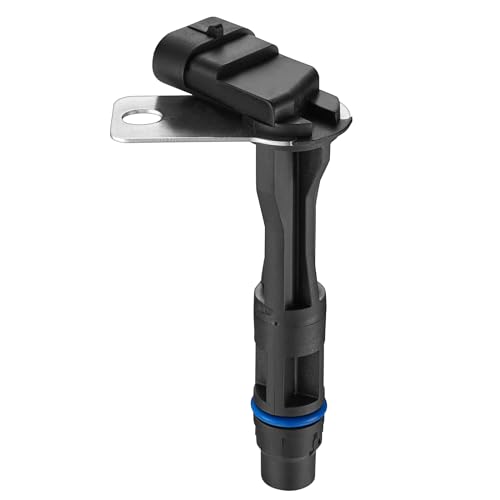
The BDFHYK sensor targets a broad GM vehicle range, including various Chevrolet and GMC models. Best for: budget-conscious buyers needing OE-size compatibility. Better for: those who want a wide fitment table and practical cross-references. Caution: confirm the exact engine year and model because cross-compatibility can be model-specific and misfit may occur with certain submodels.
A-NAFTULY 12561211 Camshaft Position Sensor

A-NAFTULY’s 12561211 sensor claims wide vehicle coverage for 5.3L GM applications. Best for: drivers needing compatibility with multiple GM platforms, including Silverado, Tahoe, Yukon, and Escalade families. Choose this if: you want a single part that can cover both GM trucks and SUVs. Limitation: the listing emphasizes model references and may require verifying the specific year/engine combination with the part number crosswalk.
Dorman 962-277 Engine Camshaft Position Sensor

Dorman’s 962-277 is a direct replacement designed to mimic original fit and function. Best for: professionals seeking a straightforward swap that reduces installation hassle. Better for: vehicles where the original sensor failed due to heat or internal damage. Caution: ensure the sensor number aligns with your exact OEM part before ordering, as cross-version differences exist.
IFATRUNK Camshaft Position Sensor Fit for 1999-2007 GM Models

IFATRUNK offers broad GM coverage across Silverado, Tahoe, Express, Suburban, Sierra, Envoy, and Escalade variants. Best for: buyers who want one sensor that covers many 1999–2007 GM models. Choose this if you need flexibility across multiple GM trucks and SUVs. Limitation: the listing emphasizes extensive model references; confirm your exact year and engine code to ensure precise fitment before purchasing.
Buying Guide: Key Considerations For 5.3L Camshaft Position Sensors
- Fitment accuracy: Always cross-check the OEM part numbers (such as 12561211, PC273, 917-715) with your vehicle year and model. A correct fit ensures proper ECM timing signals.
- Brand vs. budget: OEM- or OEM-equivalent sensors (like Delphi or Dorman) tend to offer reliable electrical performance. Budget options can be suitable for non-critical applications but may require careful verification of compatibility.
- Signal quality: Digital output sensors or those explicitly designed for noise reduction help prevent misreads that affect idle, timing, and overall engine performance.
- Durability: Look for sensors built to withstand engine heat and vibration. ISO-certified manufacturing or validated components are indicators of durability.
- Return policy and cross-compatibility: If the part doesn’t fit, a clear return policy helps minimize downtime. Cross-reference multiple model lists to avoid incorrect orders.
- Installation considerations: Consider whether the sensor has straightforward plug-and-play wiring or if additional wiring harnesses are needed for your vehicle.
FAQ
- What is a camshaft position sensor, and why does it matter for a 5.3L engine?
It detects the camshaft’s position to help the engine control unit manage ignition timing and fuel injection. A failing sensor can cause rough idle, stalling, or poor acceleration.
- How do I know which sensor fits my GM 5.3L vehicle?
Check the OEM part numbers (e.g., 12561211, PC273, 917-715) and confirm against your exact make, model, year, and engine code. Cross-reference with the vehicle’s manual or parts catalog.
- Are OEM-brand sensors always better than aftermarket options?
OEM or OEM-equivalent sensors typically offer the most consistent fit and signal quality, but reputable aftermarket options can provide good performance at a lower cost. Verify compatibility carefully.
- Can I replace the camshaft position sensor myself?
Yes, many sensors are designed for straightforward installation, often requiring basic hand tools. Disconnect the battery before starting and follow vehicle-specific guidance to avoid damage.
- What should I do if the new sensor doesn’t work after installation?
Double-check wiring, connectors, and the part number. Some engines require a relearn or scan tool check after replacement; consult a professional if problems persist.
- Do these sensors affect other engine sensors?
Yes. A faulty camshaft position sensor can influence timing and fuel delivery, which may impact other sensors and engine performance. Replacing the sensor can restore proper ECU input.