Choosing the right cable pull emergency stop switch is essential for reliable machine safety in industrial settings. This article reviews five top options, highlighting how each model delivers rapid shutdown, easy installation, and durable performance in harsh environments. Whether you’re safeguarding belts, cranes, or conveyors, the right pull switch can prevent accidents and minimize downtime.
| Product | Brand | Key Feature | Link |
|---|---|---|---|
| XY2CJS15 E-Stop Cable Pull Switch | Schneider Electric | 1 NC + 1 NO slow-break contacts; 65 ft rope; reset | Amazon |
| Single Phase Pull Switch Emergency Stop Rope | Jauarta | Simple pull operation; high safety isolation | Amazon |
| ATO Emergency Stop Rope Pull Switch | ATO | 1NO 1NC; IP65; 20±2 m rope; 1 million cycles | Amazon |
| Single Phase Pull Switch with Auto Reset | Yuecoom | Automatic reset; 24–380V; durable design | Amazon |
| Emergency Stop Switch for Various Machinery | Generic | Compact E-stop with robust build | Amazon |
Note: The table above provides a snapshot of each product’s core feature set and a direct Amazon link for quick reference. Availability and specifications may vary by region and retailer.
Telemecanique XY2CJS15 E-Stop Cable Pull Switch

The Telemecanique XY2CJS15 is a safety-rated cable pull emergency stop switch designed for flexible deployment along a cable line. It features one normally closed (NC) and one normally open (NO) slow-break contact configuration, enabling reliable circuit signaling when activated. The unit can signal from any point along a cable up to a considerable length, facilitating rapid shutdown of equipment in industrial environments. Its compact form supports mounting near dangerous zones, while the reset function ensures a controlled return to normal operation after an event. This model is especially suitable for conveyors, cranes, and machinery with remote pull points.
Jauarta Single Phase Pull Switch Emergency Stop Rope
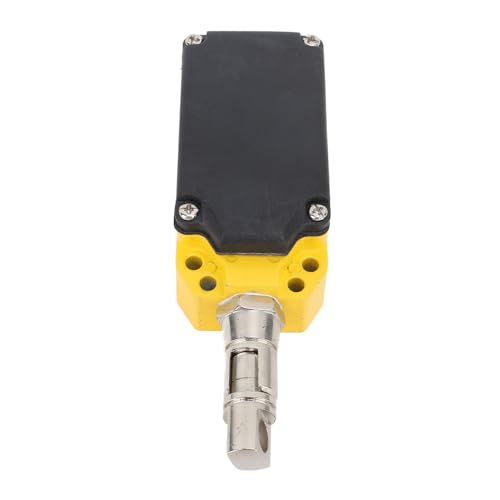
This single-phase pull wire switch by Jauarta provides straightforward on/off control via manual rope operation. It emphasizes safety through effective circuit isolation and durable construction designed for long-term use in belt conveyors and cranes. The unit’s simple operation makes it a practical choice for facilities seeking quick emergency stopping with minimal setup. Its materials are chosen to maintain stable performance under frequent use, contributing to consistent shutdown reliability in industrial lines.
ATO Emergency Stop Rope Pull Switch
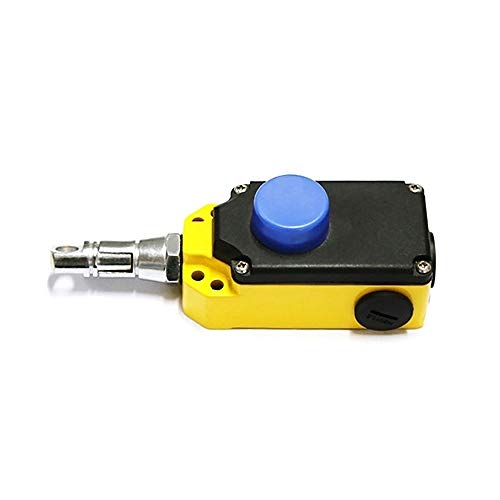
The ATO emergency pull switch offers 1NO and 1NC contacts with a 6A/380VAC rating, and an IP65 protection class. It supports rope lengths up to about 20 meters with a reset capability, making it suitable for belt conveyors, cranes, and other heavy-duty machinery. The device is designed for straightforward installation and dependable operation, with a focus on robust protective housing and reliable signaling for immediate shutdown in emergency scenarios.
Single Phase Pull Switch, Automatic Reset
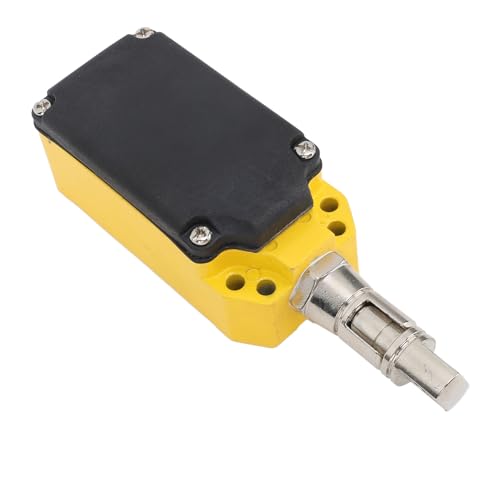
This Yuecoom model is a single-phase pull switch featuring an automatic reset design, suited for belt conveyors and cranes. Operating in a broad voltage range of 24–380V, it emphasizes user-friendly operation—pull the switch wire to toggle the circuit on or off. The build highlights durability and stability, aiming to maintain consistent performance during extended use in industrial tasks and environments with varying electrical demands.
Emergency Stop Switch for Various Machinery
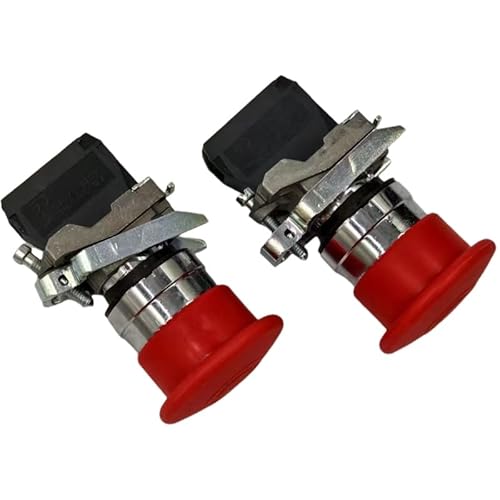
Generic emergency stop switches are designed to fit a variety of machinery configurations, including boom lifts and mast lifts. This model emphasizes compactness and ease of installation, often featuring simple push-button action coupled with robust construction. When selecting a generic E-stop, users should verify contact configuration, environmental ratings, and compatibility with existing control circuits to ensure reliable interruption of power in an emergency.
Buying Guide: Key Considerations for Cable Pull Emergency Stop Switches
- Contact configuration and signaling: Determine whether you need one NO and one NC contact, or a different arrangement. Slow-break or immediate-break contacts impact how quickly and reliably the circuit signals a stop.
- Rope length and mounting flexibility: Check maximum rope length and whether the switch allows signaling from multiple points along the line. Consider anchor point options and how easy it is to install along conveyors or cranes.
- Electrical ratings and isolation: Ensure the switch rating matches your system voltage and current. Look for robust isolation and protective housing (IP ratings) to withstand dust, water, and vibration.
- Durability and materials: For harsh environments, prioritize switches with durable housings, resistant to impact, chemicals, and temperature changes. Long service life and maintenance needs matter for downtime reduction.
- Reset behavior: Decide between manual reset and automatic reset. Manual reset can prevent accidental re-engagement after an emergency, while automatic reset offers quicker recovery in controlled workflows.
- Compatibility and installations: Verify compatibility with existing controllers and safety circuits (e.g., safety relays, interlocks). Consider the ease of wiring and whether the unit supports remote signaling.
- Environmental protection: If used outdoors or in damp areas, IP ratings and ingress protection are critical. Confirm IP65 or higher if exposure to water or dust is likely.
- Maintenance and spare parts: Availability of replacement parts and ease of testing helps sustain reliability. Prefer brands with accessible service and clear manuals.
- Compliance and safety standards: Ensure the product meets relevant safety standards and certifications for your application, especially in industrial settings requiring formal risk assessment.
- Cost vs. value: Weigh upfront costs against durability, protection level, and the cost of potential downtime. A higher-rated device can yield longer-term savings through reduced maintenance.