Answering the common buyer need: these cable feeders and pulling tools help you run wires through walls, conduits, and tight spaces with less effort and less risk of damage. The top picks below cover drill-powered pullers, manual grips, fiberglass rods, and heavy-duty sheaves suitable for residential, commercial, and industrial wiring tasks. Best for: contractors and DIY enthusiasts tackling wall runs, conduit pulls, or long cable runs in constrained spaces.
| Product | Best For | Why It Stands Out |
|---|---|---|
| Shgxjjnb Wire Puller | Residential and small-scale projects | Drill-powered, through-wall pulling, up to 8mm diameter |
| KLQYXI Wall Wiring Machine | Flexible threading in channels | Electric drill compatible, versatile angles |
| Southwire 104 Pull-It | Quick, smooth wire feeding | Built-in rollers for effortless feeding |
| KOOTANS Fiberglass Rod Kit | Long runs with visibility | 50 ft extendable glow rods, high visibility |
| DRKSBesto 4-Inch Sheave | Large conduits and heavy-duty pulls | Wide diameter and corrosion-resistant |
Shgxjjnb Wire Puller Through Wall
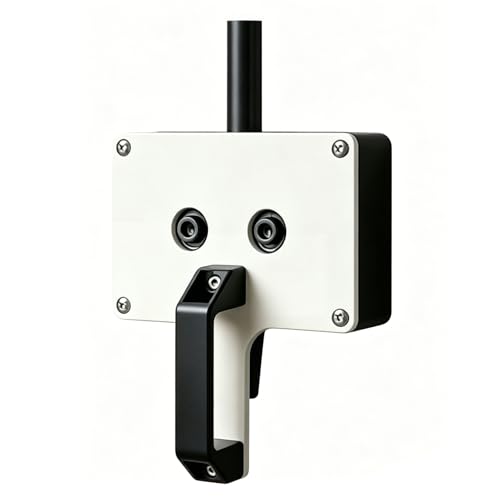
The Shgxjjnb wire puller is designed for effortless wire feeding through narrow conduits, wall cavities, bends, and restricted areas. It supports wires up to 8 mm in diameter, making it suitable for residential wiring and small commercial installs. The tool’s drill-powered mechanism reduces manual effort and increases efficiency in renovation projects. Best for: technicians who work in tight spaces and need a reliable, drill-assisted pulling option. Limitation: throughput is tied to your drill’s power and control in awkward angles.
KLQYXI Wall Wiring Machine

The KLQYXI wall wiring machine offers flexible threading by connecting to an electric drill to provide strong pulling and penetrating power. It handles cables through channels at multiple angles, with an included drill-connecting head for easy setup. Best for: electricians who need adaptable threading across complex runs. Caution: ensure compatibility with your drill type and avoid forcing through tight bends.
Southwire 104 Pull-It
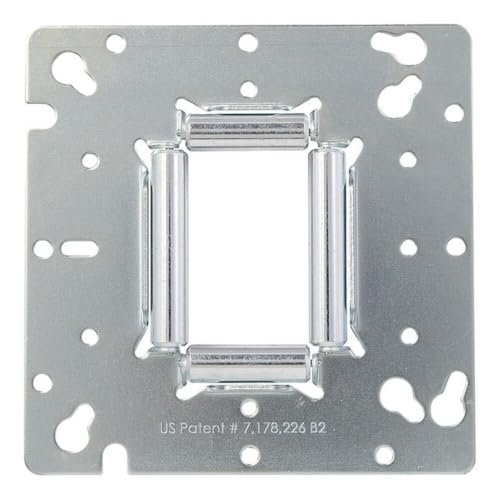
The Southwire 104 Pull-It includes built-in rollers to feed wire smoothly, reducing hand fatigue and preventing wire damage. This tool acts as a dedicated cable-pulling accessory for efficient pulling tasks. Best for: professionals who value consistent feeding and protective guidance for wires over long runs. Limitation: as a pulling aid, it may be less effective in extremely tight or highly curved conduits without additional guidance tools.
ZhouQiTOOL Wire Mesh Pulling Grip

The Wire Mesh Pulling Grip is a double-headed cable sock designed for both light and heavy cables, using high-tensile materials to improve traction. Made from corrosion-resistant 304 steel, it withstands demanding environments, including industrial settings. Best for: technicians needing a reliable grip with strong pulling force. Caution: ensure the grip fits the cable diameter range (D:25-37mm) for optimal performance.
DZDSBB Electrical Fish Tape
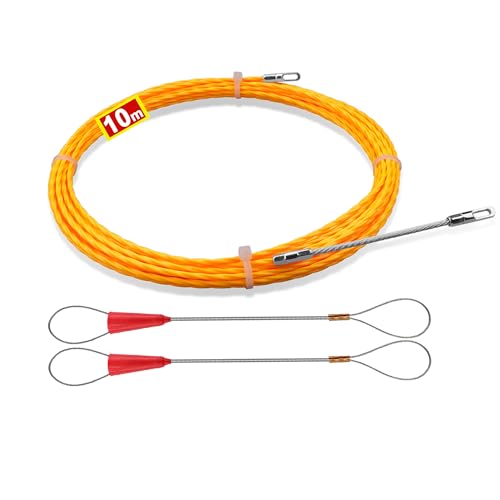
The DZDSBB fish tape is a high-strength 10 m, 3.0 mm wire puller with a spring-roller head. It balances stiffness and flexibility to glide through tight conduits with low friction, enabling quick wire fishing through walls and ceilings. Best for: professionals who need a quick-winding snake for awkward spaces. Limitation: longer runs may require multiple segments or an extended length kit.
KOOTANS Fiberglass Rod Kit

The KOOTANS fiberglass rod kit uses 36 fiberglass rods up to 50 feet when joined, providing high visibility with bright yellow rods. The rods offer strong flexibility, great insulation, and low friction to glide through conduits. Best for: longer vertical or horizontal runs where visibility helps locate the line. Caution: avoid bending rods beyond flexible limits to prevent damage.
DRKSBesto 4-Inch Stainless Steel Sheave

The DRKSBesto 4-inch stainless steel cable puller sheave accommodates larger conduits and provides smooth cable feeding with a precision-machined surface. Its rust-resistant material supports indoor and outdoor use, reducing wire wear during installation. Best for: projects requiring wider guidance and reduced bending stress. Limitation: suitable primarily for larger conduits; smaller runs may not fully utilize the 4-inch diameter.
Buying Guide
Key considerations help determine which pulling tool or feeder best suits your project. Here are practical questions and answers to guide the selection.
What cable sizes and types will you pull?
Check the maximum diameter each tool handles. Some devices are built for up to 8 mm or 25-37 mm ranges. Choose a product that fits your most common cable sizes to avoid forcing through equipment.
Do you need power-assisted pulling or manual guidance?
Drill-powered pullers (like Shgxjjnb and KLQYXI) save effort for longer or more challenging runs. Manual pullers or grips (such as the Wire Mesh Pulling Grip) provide control in tight spaces where power tools may not fit.
What environments will you operate in?
Stainless steel or corrosion-resistant parts are essential for damp or outdoor sites. Fiberglass rods with high visibility are ideal for long runs through conduits, while steel components offer robust durability in industrial settings.
Is visibility and length important for your task?
Long, bright fiberglass rods (KOOTANS kit) help you see and guide the pull through complex paths. For multi-story or extended runs, extended rod sets reduce rework and improve accuracy.
What is your budget and workflow?
Consider whether a single multi-purpose tool suffices or if a small set of specialized tools yields better efficiency. Balance upfront cost with time saved on each job, especially for recurring tasks.
Safety and handling considerations
Always wear protective equipment and follow manufacturer instructions. Ensure the pull is evenly controlled to avoid kinking wires or snagging on edges. Use proper anchors and supports for heavy pulls.
FAQ
- What is the main benefit of a drill-powered wire puller?
It reduces manual effort and speeds up long or tight runs in walls or conduits.
- How do I choose the right cable diameter with these tools?
Match the tool’s maximum diameter specification to your typical cables to prevent binding or damage.
- Are fiberglass rods better than steel for running wire?
Fiberglass rods offer high visibility and low friction for long runs, but steel grips provide greater pulling strength for heavy-duty tasks.
- Can I use these tools for outdoor use?
Yes, but prefer corrosion-resistant materials for outdoor or damp environments.
- What should I do if the wire binds in a bend?
Pause, reassess path, and consider a more flexible rod or a smaller-diameter puller to reduce resistance.
- Is it okay to combine tools for a single job?
Yes, using a grip for initial pull and a drag-free feeder can improve efficiency on complex sections.