When replacing a traditional water heater, a boiler-style tankless unit can offer endless hot water with precise temperature control and space-saving design. This article surveys top options across electric and gas models to help American homeowners choose a reliable system that matches household needs and energy goals. Below are five leading products with key features to compare.
Summary of chosen products:
| Product | Brand | Fuel | Approx. Flow (GPM) | Notable Feature |
|---|---|---|---|---|
| EcoSmart ECO 11 | EcoSmart | Electric | Up to 1 | Self-modulating technology |
| Rheem 18kW 240V Tankless Electric | Rheem | Electric | Up to 4.4 | LED thermostat control |
| Rinnai RX199iN | Rinnai | Natural Gas/Propane | Up to 11.1 | Condensing, SmartSense |
| NEW Orbek 14kW Tankless Electric | Orbek | Electric | Up to 3.38 | LED display, high efficiency |
| Rheem RTG-70DVLP-3 | Rheem | Propane | Up to 7.0 | Indoor mounting |
Rheem 18kW Electric Tankless Water Heater
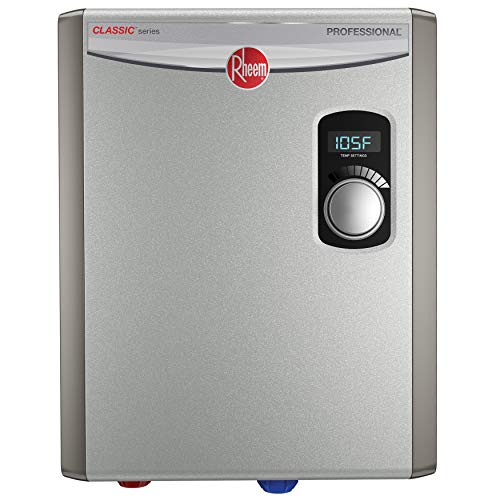
The Rheem unit is an electrically powered tankless system featuring external digital thermostatic control with an LED display and +/- 1 degree accuracy. It uses self-modulation to adjust power according to hot water demand, and includes durable copper immersion heaters. Serviceability is field-friendly to support maintenance. It delivers up to 4.4 GPM, adequate for moderate multiple uses in small homes or apartments. This model emphasizes precise temperature control and quick response to fluctuating flow demands.
EcoSmart ECO 11 Electric Tankless Water Heater

The EcoSmart ECO 11 is a compact electric tankless heater rated at 13 kW at 240 volts. It relies on patented self-modulating technology to maintain consistent hot water within about 1 degree of the set temperature. With an 90% heat efficiency claim and a cabinet that’s roughly 11.5 x 8 x 3.75 inches, this unit is designed for space-saving installation on a wall or at the point of use. It’s noted for energy efficiency, reducing standby heat and saving space compared with traditional heaters.
NEW Rinnai RX199iN Condensing Tankless Water Heater

This Rinnai model is a versatile condensing unit that supports either natural gas or propane and offers indoor or outdoor installation via Versa Vent. It delivers up to 11.1 GPM and uses a Smart Sense gas control system for efficient operation. The compact footprint makes it suitable for climate zones requiring flexible placement. It also features a Quick Flush option for maintenance and a high energy efficiency factor of UEF .98, with optional WiFi control through a compatible module.
Rheem RTG-70DVLP-3 Indoor LP Tankless Gas Water Heater

Rheem’s indoor LP model delivers up to 7.0 GPM with 160,000 BTUs, designed for tight spaces inside the home. Its durable metal cabinet supports easy wall mounting by a qualified installer. This unit is geared toward households with multiple simultaneous hot water needs, providing reliable performance during peak demands and a robust look-and-feel suitable for indoor installation.
Orbek 14kW Electric Tankless Water Heater

Orbek’s 14 kW electric tankless unit is designed for point-of-use or small homes, delivering up to 3.38 GPM. It requires a 240V/60A two-pole breaker and appropriate wiring, with 1/2″ NPT connections. The product emphasizes quick hot water delivery, strong energy efficiency via water-electricity separation, and an LED display for easy temperature control. Installation should be performed by a professional electrician to ensure circuit adequacy and safety.
Buying Guide
Choosing the right boiler tankless heater depends on several factors. Consider the following perspectives to find the best match for your home and budget:
- Flow rate vs. demand: Gas models typically offer higher GPM (gallons per minute) than electric units, which may be essential for larger households or multi-point usage. Size the unit to cover the maximum hot-water needs during peak usage.
- Fuel type and venting: Electric tankless heaters are easier to install in many homes due to minimal venting, but may require higher electrical service. Gas models require proper venting and propane or natural gas compatibility, influencing installation cost and location.
- Efficiency and operating costs: Condensing gas models tend to maximize energy savings, while electric self-modulating units reduce waste by heating water only when needed. Consider regional energy costs and dryer or appliance loads that impact overall bills.
- Installation space and location: Wall-mounted designs save space, but electrical panel capacity, available clearance, and service access affect feasibility. Indoor vs outdoor placement is also a factor for weather exposure and maintenance access.
- Temperature control features: Look for precise thermostats, digital displays, and safety shutoffs. Some units offer quick flush or WiFi control modules for remote monitoring and maintenance reminders.
- Durability and warranty: Copper immersion elements and robust cabinets suggest longer service life. Check warranty terms for parts, labor, and performance guarantees to protect the investment.
- Maintenance requirements: Regular flushing to prevent mineral buildup extends life, especially for hard water areas. Condensing units may require annual checks for venting and condensate disposal where applicable.
- Professional installation considerations: Some units require licensed installation, electrical upgrades, or gas line modifications. Factor in installation labor and potential permit needs when budgeting.
- Future-proofing: If you anticipate growing hot water demands or remodeling, choosing a higher-capacity model with adaptable venting or multiple heating elements can provide flexibility down the line.
The selection above spans electric and gas, compact and high-capacity units, to accommodate a range of homes and usage profiles. When evaluating options, balance peak hot-water needs with installation feasibility and ongoing operating costs to identify the best boiler tankless solution for your household. This approach ensures reliable, efficient hot water while aligning with energy and budget goals.