Choosing the right golf cart battery can dramatically affect performance, range, and maintenance needs. This guide highlights five compatible, widely available options that American golfers often rely on for reliability and longevity. From traditional sealed lead-acid to advanced lithium systems, each pick brings distinct strengths to daily rides, club outings, and course commutes. Explore features, installation notes, and practical considerations to help you select the best fit for your cart’s voltage, capacity, and maintenance preferences.
| Product | Brand | Voltage | Capacity (Ah, approximate) |
|---|---|---|---|
| Rocket L-875 170Ah 8V Golf Cart Battery | Rocket | 8V | 170 |
| US Battery US1800XC2 6V 208Ah Deep Cycle | U.S. Battery | 6V | 208 |
| LOSSIGY 48V Lithium Golf Cart Battery | LOSSIGY | 48V | 105 |
| U.S. Battery US8VGC 8V 170Ah Deep Cycle | U.S. Battery | 8V | 170 |
| OGRPHY 48V Lithium Golf Cart Battery | OGRPHY | 48V | 105 |
Rocket L-875 170Ah 8V Battery — 170 Ah, 8V
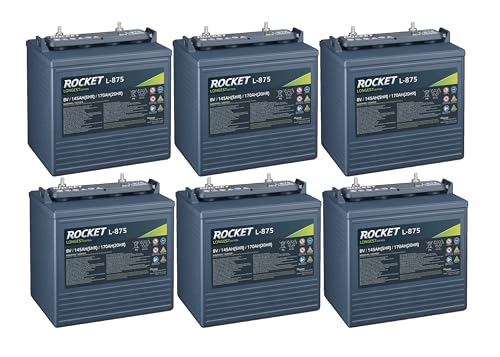
The Rocket L-875 is designed as an 8-volt replacement option for many Trojan T-875 setups, offering a high capacity of 170Ah per battery. Pack a full set (six units) for standard 48V configurations in many older carts. The 170Ah rating emphasizes extended cruising range per charge, making it a practical choice for golfers who play longer rounds or drive more aggressively on hilly courses. Installation typically mirrors that of standard golf cart batteries, with attention to proper terminal connections and secure placement to prevent movement during operation.
Key considerations include compatibility with your cart’s controller and electrical system, the effort required for a six-pack upgrade, and replacement intervals. While lead-acid variants are common and cost-effective, ensure you have adequate space and a suitable charger for 8V packs. Rocket positions this model as a robust, high-capacity option for American golf carts needing reliable peak performance.
US Battery US1800XC2 6V 208Ah Deep Cycle

The US1800XC2 is a deep-cycle 6-volt battery with an impressive 208Ah capacity, commonly chosen for longer life cycles and dependable power delivery. This GC2-sized model is designed to handle daily cycling typical of golf carts used for many rounds or work fleets. Lead-acid technology remains a prevalent and accessible option in many American courses, offering a balance of price, performance, and serviceability. When paired with a compatible charger and proper maintenance schedule (regular watering in flooded variants, corrosion checks, and tidy cable connections), these batteries deliver steady voltage and predictable performance over time.
Considerations include electrolyte management, water level checks in flooded types, and the total weight of a full battery bank. For golfers who prefer a familiar, proven solution with straightforward replacement, the US1800XC2 provides robust reliability. It’s well-suited for standard 48-volt carts when paired with multiple 6-volt units, ensuring a steady discharge and reasonable recharge cycles for typical club routes.
LOSSIGY 48V Lithium Golf Cart Battery
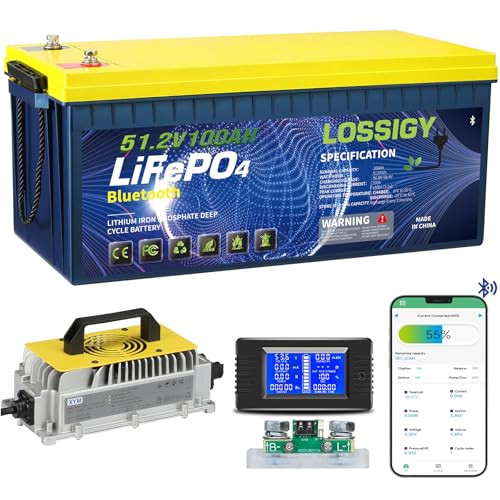
The LOSSIGY 48V lithium pack represents a modern lithium-ion solution for golf carts, delivering energy density advantages and a long cycle life. With a built-in battery management system (BMS), it safeguards against temperature extremes, short circuits, and over-current events, contributing to longevity and safer operation. The system is designed for easier installation and lighter weight than many lead-acid arrangements, potentially improving handling and range per charge for the cart. A built-in monitor and Bluetooth monitoring capabilities are commonly highlighted features in modern lithium kits, enabling remote status checks and smarter maintenance decisions.
Practical considerations include ensuring compatibility with your cart’s controller and charger, and recognizing the higher upfront cost relative to lead-acid systems. The 48V configuration aligns with typical modern golf carts, allowing for substantial performance gains and a longer usable life when managed properly. For users seeking advanced performance with longer service intervals and reduced maintenance, LOSSIGY offers a compelling lithium option.
U.S. Battery US8VGC 8V 170Ah Deep Cycle

The US8VGC is an 8-volt deep-cycle battery with a 170Ah rating, a common choice for 48-volt cart configurations that require modular 8-volt units. This model mirrors the practical approach of maintaining a robust pack with predictable discharge characteristics. Lead-acid construction provides familiar charging behavior and replacement cycles widely supported by service networks across the United States. For fleet operators or frequent golfers who replace individual batteries rather than entire banks, 8-volt modules like the US8VGC can simplify maintenance and stocking of spare units.
Key considerations include matching your cart’s controller’s voltage tolerance, ensuring your charger supports 8-volt segmentation, and planning for electrolyte maintenance if using flooded variants. While lead-acid packs tend to be heavier and slightly less energy-dense than lithium, they remain a reliable, accessible option for many American courses and home setups seeking proven performance with straightforward upkeep.
OGRPHY 48V Lithium Golf Cart Battery

The OGRPHY 48V lithium battery combines high energy density with a substantial peak current capacity, making it well-suited for hills and demanding terrain. The included touch monitor and mobile app support provide convenient monitoring of voltage, health, and state of charge, aiding maintenance planning. A 200A BMS helps protect the cells, and a claimed practical range expansion aligns with modern lithium offerings that can significantly reduce cart downtime between charges. With a 105Ah rating, this pack balances weight, range, and power for many 48V carts and is compatible with a wide range of controllers and charging strategies.
Considerations for OGRPHY include ensuring your controller supports lithium technology, verifying compatibility with the included charger, and understanding potential differences in charging profiles compared with lead-acid batteries. For owners seeking longer cycles, easier maintenance, and higher performance in diverse terrains, a 48V lithium solution like OGRPHY offers compelling advantages.
SOURCEPOW 36V 105Ah Lithium Battery

The SOURCEPOW 36V 105Ah lithium battery is designed specifically for 36-volt golf carts, with an emphasis on fast charging and a robust BMS. It includes a smart monitor and LCD display, helping users track charge status and health in real time. The 105Ah capacity is suitable for carts operating in moderate to demanding environments, and the included 25A fast charger helps shorten downtime between rounds. The lithium chemistry provides reduced weight and higher energy density, translating to improved range and performance over traditional lead-acid packs in many scenarios.
Important considerations revolve around compatibility with a 36V system, charger compatibility, and ensuring the battery’s BMS aligns with the cart’s electrical architecture. For players who want a lighter battery with better depth of discharge and long-term efficiency, SOURCEPOW’s 36V package offers a practical balance of performance and value.
Buying Guide: Key Purchase Considerations For Golf Cart Batteries
- Battery chemistry: Lead-acid options are cost-effective and widely supported, but lithium options provide higher energy density, longer cycle life, and lighter weight. Consider your budget, maintenance tolerance, and desired range.
- Voltage configuration: Golf carts typically use 36V, 48V, or 72V systems. Ensure you purchase batteries compatible with your cart’s voltage and that unit combinations (6V and 8V blocks) form a proper series string.
- Capacity and range: Higher Ah ratings generally translate to longer range per charge. Evaluate your typical round length, terrain, and how aggressively you drive to estimate needed capacity.
- Weight and handling: Lithium packs are lighter and easier to install in some carts, which can affect handling and overall ride quality. Lead-acid batteries add more weight and may require stronger mounting considerations.
- Charging infrastructure: Check compatibility with your charger (voltage, current, and charging profile). Some lithium systems require dedicated chargers or smart chargers with compatible BMS integration.
- Maintenance needs: Flooded lead-acid cells require regular watering and terminal maintenance, while sealed AGM/Gel variants reduce upkeep. Lithium systems generally need less daily maintenance but may require battery management features and calibration.
- Lifecycle and warranties: Longer cycle life reduces replacement frequency, but initial costs may be higher for lithium. Review manufacturer warranties and return policies for long-term ownership.
- Safety and certifications: Look for UL or UL-certified components, especially with lithium systems. A robust BMS contributes to safety by managing temperature, overcharge, and short circuits.
- Compatibility and ecosystem: Some brands target specific controllers or golf-cart models. Verify that the selected batteries align with your cart’s controller, wiring harness, and space constraints.
- Environment and usage: For fleets or frequent users on hilly courses, higher reliability and lower maintenance can justify lithium investments. For casual players or budget-conscious buyers, lead-acid options remain viable.
In summary, the best choice depends on your priorities: maximum range and lower maintenance with lithium, or a traditional, cost-effective setup with lead-acid. When evaluating options, compare voltage compatibility, total pack capacity, weight, lifecycle expectations, charging requirements, and warranty coverage to select a solution that aligns with your American golf-cart needs.