When shopping for a high-demand water heater, a BTU output in the 38,000–40,000 range can push hot water delivery for multiple uses—showers, Dishwashing, and laundry—without long waits. The following picks include electric and propane options that align with that performance window, plus guidance on choosing the right model for homes, cabins, or off-grid setups. Each product highlights key specs and practical considerations for installation, efficiency, and safety.
| Product | BTU / Power | Type |
|---|---|---|
| WINTEMP 36kW Tankless Electric Water Heater | 36 kW (approx. 122,000 BTU/h) | |
| Rheem 18kW Tankless Electric Water Heater | 18 kW (approx. 61,500 BTU/h) | |
| VEVOR Portable Propane Water Heater (34,000 BTU) | 34,000 BTU/h | |
| VEVOR Propane Tankless Water Heater (100,000 BTU) | 100,000 BTU/h | |
| ECOTINYMACH Tankless Electric Water Heater | 5500W (approx. 18,700 BTU/h) |
Note: BTU figures for electric heaters reflect heat output estimates from wattage. Always confirm with the manufacturer’s specifications and ensure your electrical system and service panel can safely handle the load. For propane models, venting, gas supply, and exhaust clearances are essential considerations for safe operation.
WINTEMP 36kW Tankless Electric Water Heater
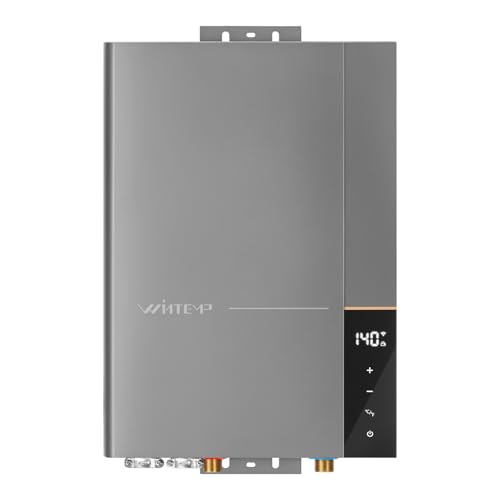
The WINTEMP model operates at 36 kW (240V) with a maximum current draw of 150A. Installation requires four 40 Amp double-pole breakers and appropriate gauge wiring, along with a robust 300A household power supply recommendation. It delivers up to 8.7 gallons per minute (GPM), providing stable hot water with minimal temperature fluctuations. Features include an LED temperature display and WiFi control for convenient monitoring and adjustments. Self-regulating technology enhances energy efficiency by adjusting power input based on real-time flow and temperature, delivering considerable energy savings when not in use. Suitable for homes with multiple usage points, this unit prioritizes fast, on-demand hot water for showers and daily tasks.
Rheem 18kW 240V Tankless Electric Water Heater
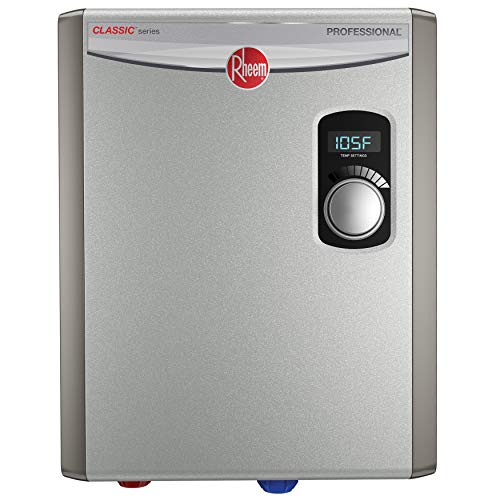
Rheem’s 18 kW tankless unit uses external digital thermostatic control with an LED display for precise temperature settings. It employs advanced self-modulation to adjust power based on hot water demand and features durable copper immersion heating elements that are field serviceable. With a flow rate up to 4.4 GPM, it suits small to mid-sized homes or apartments that require reliable, on-demand hot water without reservoir storage. The thermostat accuracy and modular design support straightforward upgrades or replacements in the future.
VEVOR Portable Propane Water Heater — 34,000 BTU

This outdoor propane tankless heater provides 34,000 BTU/h for instant hot water with a built-in pump kit and remote temperature display. It supports a wide water pressure range and a flow rate up to 1.32 GPM, ensuring practical output for camping, cabins, or outdoor setups. Real-time temperature monitoring helps users tune the output to the desired temperature, while dual winter/summer modes adapt performance to seasonal conditions. The unit is designed for portability, making it a suitable companion for RV trips or off-grid dwellings.
VEVOR Propane Tankless Water Heater, 100,000 BTU

This high-output propane model delivers up to 100,000 BTU/h and integrates smart temperature control with a clear LED display. It includes multiple safety protections and is designed for whole-house hot water supply. The precision temperature control helps maintain consistent warmth across showers, laundry, and dishwashing stations, while various protections mitigate overheat and gas-related risks. Suitable for larger homes or off-grid properties where a robust propane heater is preferred.
ECOTINYMACH Tankless Water Heater Electric 110V
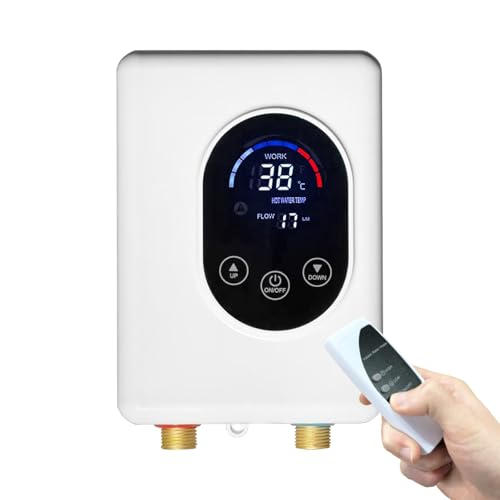
Designed for 110V operation, this compact electric tankless heater provides instant warm water without storage tanks. It is suitable for tight spaces such as under sinks or small bathrooms and includes remote control operation for convenient adjustments. While its 5,500W rating equates to roughly 18,700 BTU/h, its compact design makes it a practical choice where electric capacity is limited but space is at a premium. This model supports quick hot water access in apartments or cabins with modest demand.
Buying Guide: Key Purchase Considerations
- Energy source and wiring: Electric tankless heaters require sufficient amperage and proper breakers. A 36 kW electric unit can demand substantial service capacity; verify panel space and wire gauge. Propane units need proper ventilation, gas supply, and exhaust clearance according to local codes.
- Flow rate versus demand: Determine the maximum simultaneous hot water uses (showers, sinks, dishwasher). Choose a model with a higher GPM for households with multiple users at once. Note that real-world flow depends on inlet water temperature and elevation.
- Temperature stability and control: Look for units with precise thermostats, digital displays, and, if possible, remote monitoring for convenience and energy management. Self-modulating technology can improve efficiency by adjusting input to match demand.
- Installation requirements: Many high-output electric models require dedicated electrical infrastructure, including multiple breakers and heavy gauge conductors. Gas models require venting, gas line sizing, and clearances from combustibles.
- Durability and serviceability: Copper elements and accessible service parts can simplify maintenance. Field-serviceable designs reduce downtime and repairs, especially in remote or off-grid settings.
- Safety features: Look for anti-scald protections, flame sensors, overheating safeguards, and automatic shutoffs. Real-time temperature readouts help avoid accidental scalding and ensure consistent delivery.
- Location and climate considerations: In colder climates, incoming water is colder, reducing available GPM. Some models perform better in low inlet temperatures due to advanced control algorithms or higher heat input.
- Warranty and support: Check warranty terms for heating elements, electronics, and labor. Reliable customer support can be valuable for complex installations or upgrades.
- Budget and long-term costs: While high-output units can have higher upfront costs, energy efficiency and reduced water heating times may offer long-term savings.
These guidance points help compare options across electric and propane models, ensuring the selected heater aligns with home size, climate, and electrical or gas service capabilities. Always consult a licensed professional for installation to comply with local codes and safety standards.