If you’re planning a 2-inch conduit layout, you want options that promise strength, ease of installation, and long-term protection. This guide highlights five commonly used 2″ conduit products and accessories, explaining who they’re best for and where they excel. Ideal buyers include electricians tackling commercial runs, DIYers upgrading to corrosion-resistant enclosures, and installers needing flexible options for tight spaces. A quick summary table is provided to help compare key traits at a glance.
| Product | Type | Best For | Key Benefit |
|---|---|---|---|
| Wesiti 2″ x 25 ft Flexible Conduit | Galvanized Steel FMC Conduit | Commercial or industrial runs with tight turns | High strength and bendability for complex layouts |
| TayMac 2-Inch Gray Rigid C-Type Conduit Body RLC200 | Rigid Conduit Body | Maintenance access and pulling points | Durable aluminum enclosure with corrosion resistance |
| Southwire 2 in. x 25 ft Alflex RWA Flexible Conduit | Flexible Aluminum Conduit | Lightweight, flexible routing | Interlocked metal construction with impact protection |
| CKVIHAV 2 Inch Rigid PVC Conduit Body LL | PVC Conduit Body | Non-conductive, easy maintenance | 90-degree turns and easy access for pulling/splicing |
| Electriduct 2″ Polypropylene Non-Slit Wire Loom Conduit | Non-slit PP Wire Loom Conduit | Harsh environments with moisture or chemicals | Non-split design, wide operating temp range |
Wesiti 2″ x 25 FT Flexible Conduit

Best for projects that require significant flexibility. This galvanized steel FMC conduit provides a robust path for wiring while bending around corners and obstacles. The 25-foot length allows longer runs with fewer joints, beneficial for commercial or industrial installations. It’s best for environments where protection from impact and moisture is important.
Who it’s best for: contractors performing commercial wiring where you need a strong, flexible conduit that still accepts standard fittings. Why selected: its high-quality galvanized steel construction offers durability and corrosion resistance, making it a reliable choice for long runs.
Caution: Ensure proper bending radii and use appropriate fittings to maintain integrity in tight spaces.
TayMac 2-Inch Gray Rigid C-Type Conduit Body RLC200

Best for adding pulling access and directing conduit runs. This rigid conduit body is made of durable aluminum with a corrosion-resistant finish, designed to fit rigid conduit and provide easy access for pulls, splices, and maintenance. It’s a solid choice when you need tidy junction points in a 2″ system.
Who it’s best for: installers needing a reliable conduit body to create direction changes and maintenance access without compromising enclosure protection. Why selected: the die-cast aluminum construction offers durability in challenging environments. Caution: verify compatibility with your specific rigid conduit size and threading requirements before use.
Southwire 2 in. x 25 ft Alflex RWA Flexible Conduit
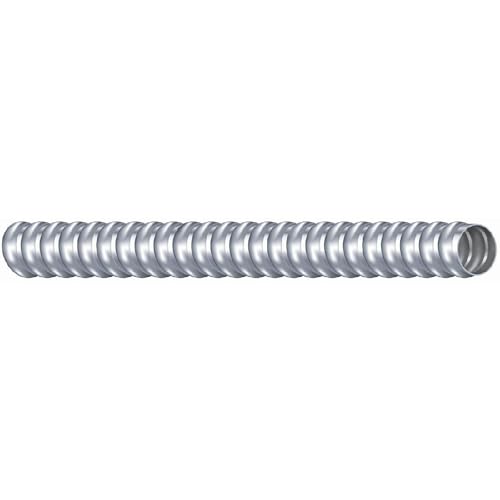
Best for lightweight, flexible routing needs. The Alflex RWA flexible conduit uses a helical metal strip forming a protected pathway that withstands impact while remaining relatively easy to install. It’s suitable for runs that require more flexibility than rigid conduits offer.
Who it’s best for: electricians seeking easier handling for tight spaces or curved routes. Why selected: lightweight aluminum alloy construction reduces overall weight while maintaining protection. Caution: flexible conduits can be more susceptible to crushing under heavy loads, so route and support accordingly.
Electriduct 2″ Polypropylene Non-Slit Wire Loom Conduit

Best for harsh environments where water, oils, or chemicals might seep into a side split. This non-slit PP conduit features a non-split design and a wide operating temperature range, making it suitable for challenging sites with potential exposure to contaminants. Choose this if environmental factors are a primary concern.
Who it’s best for: installers needing a robust protective channel in adverse conditions. Why selected: non-slit design reduces ingress risk and PP material handles exposure to chemicals and temperature extremes. Caution: PP conduits may have less impact resistance than metal options, so plan for mechanical protection where needed.
Buying Guide: Key Considerations For 2″ Conduit Installations
How do you choose the right 2″ conduit system for a 10-foot or longer run? Consider these practical questions and criteria.
- What environment will the conduit face? Metal conduits (galvanized steel, aluminum) excel in mechanical protection and outdoor exposure, while PVC or polypropylene options resist moisture and chemical exposure in non-conductive applications.
- Is flexibility important? Flexible conduits (FMC or Alflex) simplify routing through tight spaces but may require additional protection against crushing in high-traffic areas.
- Do you need easy access for maintenance? Conduit bodies (like Type LL or C-Type) provide pulling and inspection access, essential for complex runs.
- What is the weight and ease of installation? Lighter metal alloys reduce labor but may compromise rigidity in some scenarios; weigh weight against span length and support requirements.
- Temperature and chemical exposure tolerance? Materials like polypropylene offer broad temperature ranges and chemical resistance; metal options typically endure higher mechanical stress but vary by alloy.
- Compatibility with fittings and enclosures? Ensure the chosen conduit and bodies align with your fittings, connectors, and enclosure sizes to prevent gaps and misfits.
- Avoid common pitfalls: oversizing may complicate routing in tight spaces; under-protecting conduits in high-traffic or outdoor areas can lead to damage over time.
FAQ
- What is the difference between flexible and rigid 2″ conduits?
Flexible conduits bend to navigate obstacles; rigid conduits provide strong protection and straight runs. Choose based on space and protection needs. - Can I mix conduit types in a single installation?
Yes, but ensure compatibility with fittings, access points, and intended use to maintain electrical integrity and code compliance. - When should I use conduit bodies?
Use conduit bodies at turns, splits, or junctions to simplify pulling and maintenance. - Are aluminum conduits lighter than steel?
Typically, yes, aluminum is lighter and corrosion-resistant, but steel often offers higher sheer strength and rigidity. - Is a non-slit conduit safer in wet environments?
Non-slit designs reduce ingress paths for contaminants, which can be advantageous in wet or dirty environments. - What installation considerations affect 2″ conduit longevity?
Proper support spacing, correct fittings, and protection from physical damage are crucial for long-term durability.