Finding the right EMT conduit bender can save time and improve the accuracy of bends for electrical installations. This guide reviews top-rated options that handle common EMT sizes, with emphasis on models that cover 1/2″ and 3/4″ EMT work, plus related multi-size tools. Each product is evaluated for build quality, ease of use, and value, helping you choose a dependable bender for daily field tasks. Below is a quick summary table of the featured options to aid comparison.
| Product | Brand | EMT Sizes | Notes |
|---|---|---|---|
| TEMCo 2 in 1 Dual Shoe Conduit Bender | TEMCo Industrial | 1/2″ & 3/4″ EMT | Dual bender in one tool; same bend radius as standard bender |
| Southwire MCB 1/2-inch Conduit Hand Bender | Southwire | 1/2″ EMT | Aluminum head; easy-to-read markings; versatile bend options |
| Fuzbaxy 1/2-inch EMT Conduit Hand Bender | Fuzbaxy | 1/2″ EMT | Aluminum die-cast head; durable for heavy use |
| TEMCo TH3030 Dual Size Conduit Offset Bender | TEMCo Industrial | 1/2″ & 3/4″ EMT | Two offset benders in one tool; quick size change |
| Otoolling 2 Pack 1/2 Inch Conduit Bender | Otoolling | 1/2″ EMT | Heavy gauge aluminum; includes angle markings |
TEMCo 2 in 1 Dual Shoe Conduit Bender

The TEMCo 2 in 1 Dual Shoe Conduit Bender is designed to handle both 1/2″ EMT and 3/4″ EMT using a single tool. This dual-function design helps save shop space and reduces the number of tools needed on the job. The tool uses the same bend radius as standard benders, which helps maintain consistency with existing conduit work. The ergonomic handle and durable construction support reliable field performance, making it suitable for routine bends and stub-ups. While primarily aimed at smaller EMT sizes, the included dual heads enable quick adjustments without swapping devices.
Southwire MCB 1/2-inch Conduit Hand Bender

The Southwire MCB hand bender features an aluminum head and a comfortable handle, designed for 1/2-inch EMT work. It supports common bends such as stub-ups, offsets, back-to-back, and saddle bends. A large serrated step provides better grip and control, while prominently casted BENDER markings on both sides enhance measurement visibility during bending. This model is suitable for electricians who frequently perform standard conduit bends and need a reliable, easy-to-read tool for on-site use.
Fuzbaxy 1/2-inch EMT Conduit Hand Bender

Fuzbaxy offers a 1/2-inch EMT conduit hand bender with an aluminum die-cast head for durability. The kit notes require a 3/4″ pipe bar as a handle substitute, and the rugged construction aims to withstand long-term heavy use. This tool is positioned for professionals who need a sturdy, lightweight option for frequent small-bore bends and consistent performance across job sites.
TEMCo TH3030 Dual Size Conduit Offset Bender
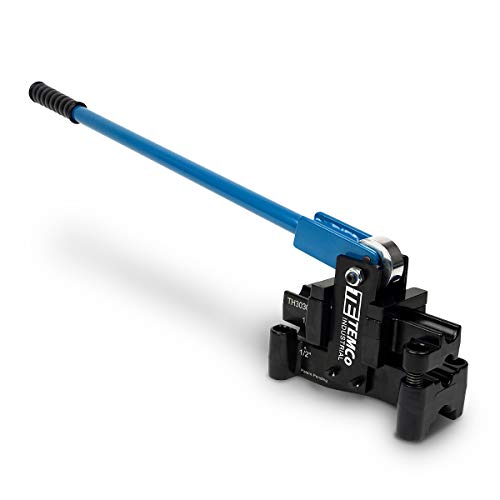
The TEMCo TH3030 combines dual-offset bending capabilities for 1/2″ and 3/4″ EMT in one tool. It enables quick, accurate offset bends with a single motion and requires no tools to switch sizes, thanks to its die configuration. This design supports faster work-flow when multiple offset bends are needed in a project, reducing tool changes and potential alignment errors. The TH3030 also emphasizes compatibility with standard box offset requirements, improving connections at electrical boxes.
Otoolling 2 Pack 1/2 Inch Conduit Bender

The Otoolling dual-pack provides a robust aluminum hand bender setup for 1/2-inch EMT. It features benchmark symbols and angle indicators ranging from 10° to 90°, with a predictable inner radius for consistent results. Serrated step surfaces offer anti-slip control, contributing to safer operation under load. This option is well-suited for electricians who prefer a value-packed, high-visibility bender with precise angle references for quick, repeatable bends.
Buying Guide: Key Purchase Considerations
When selecting an EMT conduit bender, weigh these factors to match your job requirements and environment.
- Conduit sizes: Most common on-site bends are 1/2″ and 3/4″ EMT. If you frequently switch between sizes, consider a dual-size or 2-in-1 tool to reduce tool swaps and save space.
- Material and build: Aluminum heads are common for light to moderate use, offering a good balance of weight and durability. Die-cast aluminum and steel components provide longer life in heavy-duty settings.
- Bend radius and accuracy: Look for tools that maintain standard bend radii to avoid misalignment with electrical boxes and fittings. Clear markings and measurement aids help reduce errors on the job.
- Ease of use: Features such as ergonomic handles, non-slip surfaces, and quick size changes (no tools) improve on-site efficiency and safety.
- Versatility: Dual-size and offset benders can handle multiple bend types (stub-ups, offsets, back-to-back, saddle bends) with fewer tools, enabling faster installations.
- Weight and portability: Lighter benders reduce fatigue for extended use, especially on ladders or roofs. Consider the trade-off with durability for your work environment.
- Maintenance: Corrosion resistance and simple cleaning extend tool life. Replaceable handles or heads, if available, can lower lifecycle costs.
All models in this guide offer a range of features suitable for residential and commercial electrical tasks. For installations that demand high repeatability and faster offsets, dual-size benders or offset-focused designs can reduce job time and keep tolerances tight. For more straightforward runs, a sturdy 1/2″ EMT bender with clear scale markings can deliver reliable results with minimal setup.
Users should also consider compatibility with their existing toolbox and any brand-specific accessories or dies. Evaluating the return on investment for a dual-size tool versus separate single-size benders can help determine long-term value for ongoing projects.